University of Wyoming Professor of Botany Camellia Moses Okpodu has joined the Association of College and University Biology Educators (ACUBE) Steering Committee.
STEM-ology, a monthly series of themed science, technology, engineering, and mathematics (STEM) events for all ages, continues this month at the University of Wyoming, with events including Toddler Tuesdays, Senior Science Fridays, and fun-filled family Science Saturdays.
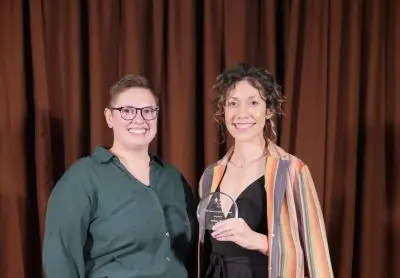
This fall, the University of Wyoming Extension recognized administrative professionals in Park and Albany counties for their positivity, dedication, and professionalism.
A professor in the University of Wyoming Department of Botany and director of the Global Vegetation Project recently received a new grant from the National Science Foundation (NSF) to investigate how drought and fire are reshaping forests across the western United States.
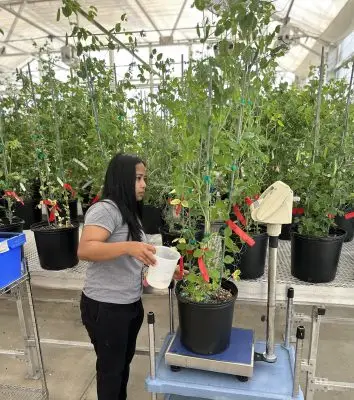
For thousands of years, humans have been breeding plants to help feed their families. Nowadays, this ancient profession uses genetic engineering and other modern tools to modify crops—but at its heart, plant breeding is still about feeding communities.
A new publication from researchers in the University of Wyoming School of Energy Resources (SER) delves into the potential of carbon-rich products to enhance agricultural productivity in challenging environments.
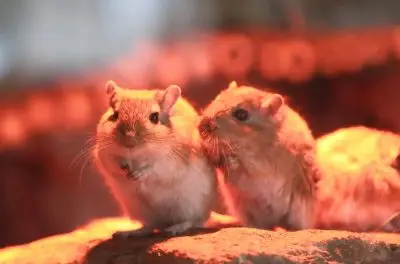
If you’ve ever stayed home sick, you’ve probably experienced the unpleasant temperature swings that accompany a fever. You may remember feeling chilled, then warming up as your fever spiked—a well-established process governed by the autonomic nervous system. But maybe you also wrapped up in a blanket to keep warm. The science behind this kind of behavioral response is less well understood.
University of Wyoming Libraries and the UW Natural Science Collections Partnership have joined forces to showcase the university’s diverse scientific collections in a new exhibition titled “The Natural Archive: Glimpses into the University of Wyoming’s Scientific Collections.”
Whitebark pines tend to grow slowly and live long, sometimes surviving for more than 1,000 years. But, as extreme weather events increase in both frequency and severity, whitebark pines have grown increasingly vulnerable to extinction. According to a new study led by UW researchers, this heightened risk is partly because many different white-bark pine populations are responding to environmental changes in sync.
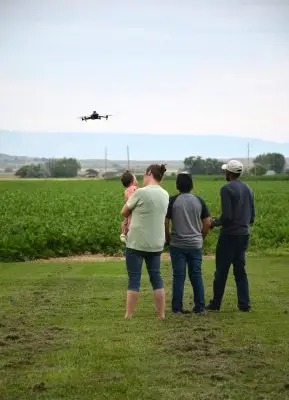
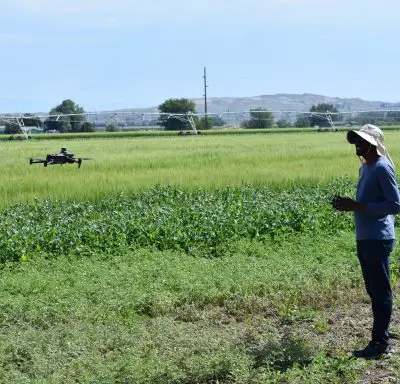
Led by Donna Harris, assistant professor of plant breeding and genetics in the Department of Plant Sciences, a team of scientists is using drones to help speed the development of soybean and dry bean varieties.
In today’s world, we’re bombarded by thousands of cheap clothing options. It’s easy to pick up new clothes for the summer—and it’s easy to dispose of these items, too. But in associate professor Jennifer Harmon’s Introduction to Textile Science class, UW undergraduates learn that disposing of clothing and other textiles is not as simple as it seems.
How exactly do gametes come together and fuse to create new life? That’s what Jen Pinello, an assistant professor in UW’s molecular biology department, set out to investigate. Surprisingly, her research may also hold the key to preventing the infectious spread of deadly diseases, such as malaria.