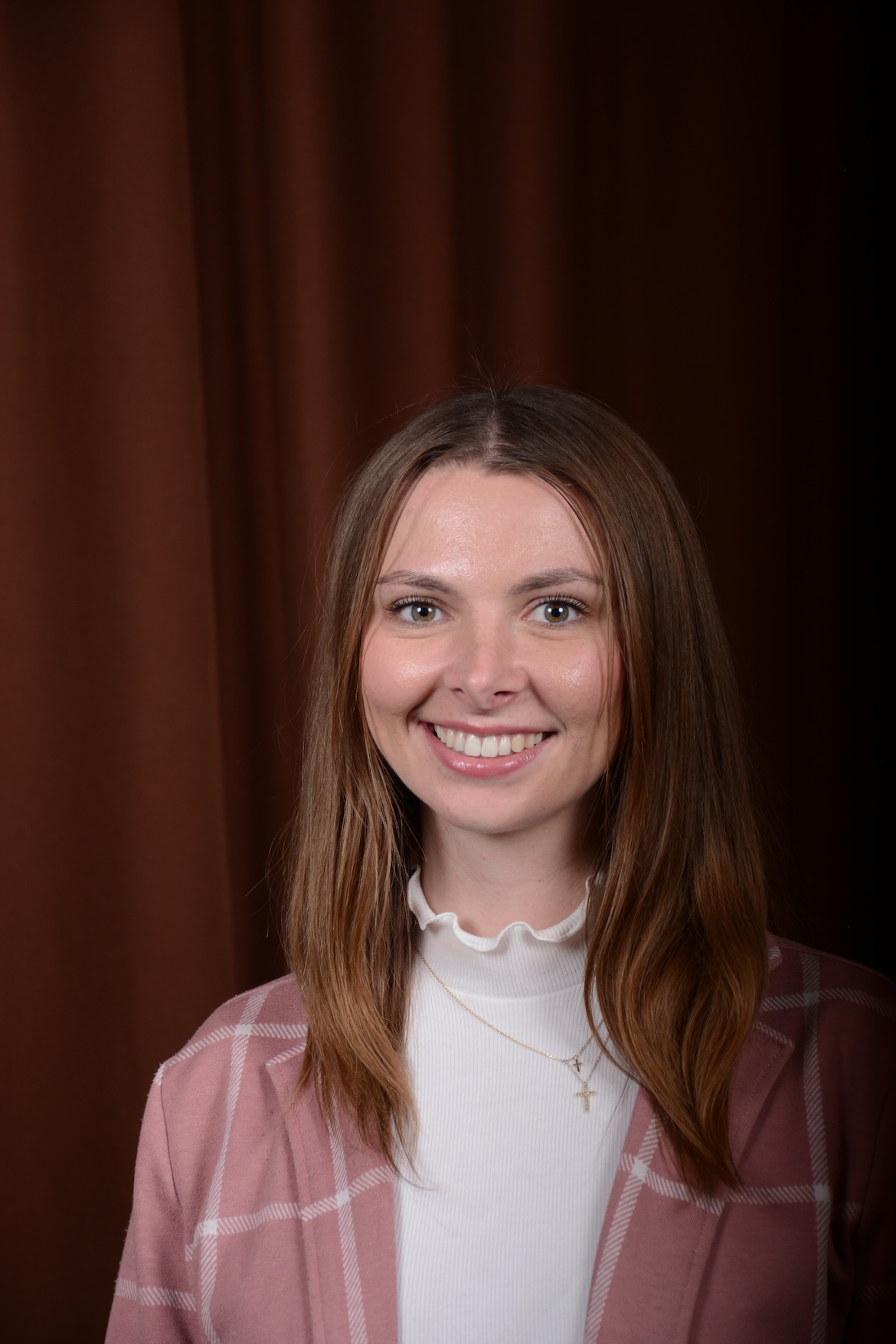

Sabrina White, the 2025 recipient of the Stewart Family Serviceship Award, expanded her “Bee the Scientist” program this year and elevated science education and community outreach throughout Wyoming’s senior centers.
White, a fourth-year University of Wyoming Ph.D. student from Orlando, Fla., in the Program in Ecology, used the funding from the serviceship award for materials, travel, and outreach to expand the program to 277 participants across 12 counties. This included 75 new participants in summer 2025 alone.
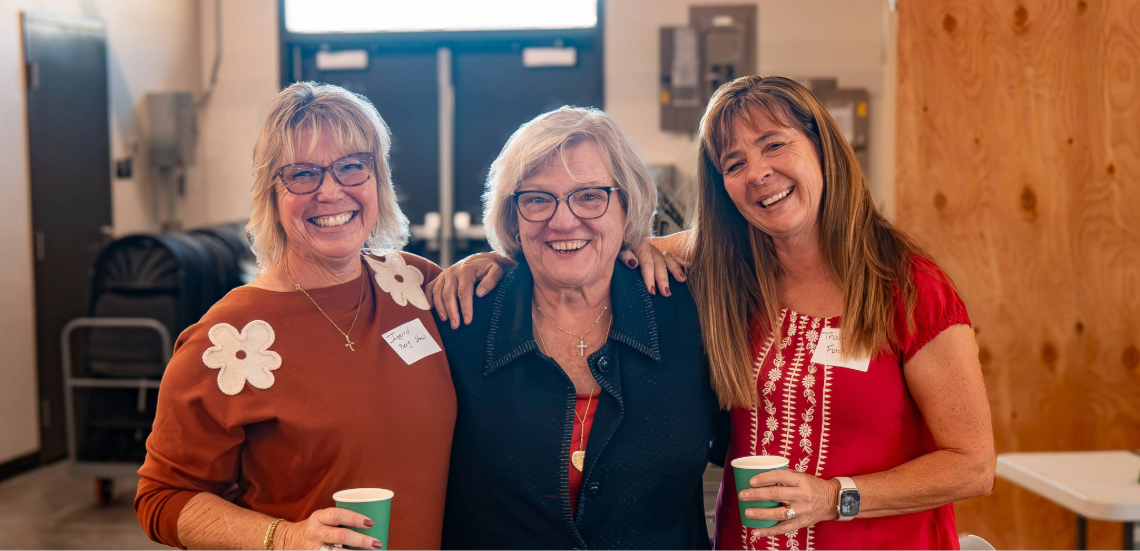
“Bee the Scientist” is dedicated to bringing dynamic science experiences to communities that are often underserved, particularly older adults. Participants explored the vital role of pollinators and learned practical steps to support local ecosystems. The hands-on learning extended beyond the classroom.
“I will bring it home to my kids and have them help me with the field guide and put the weather station together,” said one participant, who highlighted the program’s cross-generational impact.
Another attendee expressed excitement about continued discovery—“I’ll tell my family and my grandsons, who love insects”—reflecting the program’s power to inspire new conversations and shared learning at home.
These stories are echoed by White.
“I think the most exciting thing is seeing the participants and how much connection they have with the world,” she says. “The coolest thing is the cross-generational aspect. Everyone seems really excited to take it home and share it with others.”
The Stewart Family Serviceship Award is funded by the Stewart family in honor of their late parents, Clyde Stewart, who was a high school teacher and coach, and Jerrine Stewart, who was a journalist, from Sheridan. Both served as daily examples of people immersed in family, community, and work. The couple helped to address community needs and real-world challenges.
The award helped the “Bee the Scientist” program immensely, White says.
“The funds allowed us to reach more senior centers, purchase equipment, and ensure every activity remained free and accessible,” White says. “Without this support, the scale of our outreach simply wouldn’t have been possible.”
By dispelling myths about bees; fostering community partnerships with groups like the Master Gardeners; and laying groundwork for future collaborations with science initiatives such as the Bumblebee Atlas, “Bee the Scientist” has created lasting community change.
“There are so many more ways to teach than just in a classroom,” White says. “I hope this outreach shows science is literally for everyone.”
The Laramie and Albany County communities will have the opportunity to get involved with “Bee the Scientist” activities Friday, Feb. 20, as part of Senior Science Fridays during one of UW’s STEM-ology series events. The monthly, themed STEM (science, technology, engineering, and mathematics) events are supported by the Wyoming NASA Space Grant Consortium, the Science Kitchen, and UW’s Top-Tier Science Initiative.
For more information about “Bee the Scientist” and monthly STEM-ology programming, go to www.wyomingspacegrant.org/stem-ology/.
Applications for the 2026 Stewart Family Serviceship Award are due Friday, Feb. 20. For more information about this award and the Stewart Family Public Service Initiative housed within the School of Politics, Public Affairs, and International Studies, go here. The stipend of $5,000 is awarded through a competitive process open to all UW students.
“Student recipients of the annual award continue to keep the Stewart family legacy of public service alive through their work on their own applied community service projects that address needs and challenges on a local, state, national, or global level,” says Jean Garrison, the Clyde E. and Jerrine N. Stewart Professor of Public Service, a professorship also funded by the Stewart family.
This story was originally published on UW News.