

Chase Markel, a University of Wyoming Ph.D. student from Wheatland, is harnessing artificial intelligence to transform how animal scientists study risk factors for congestive heart failure in cattle.
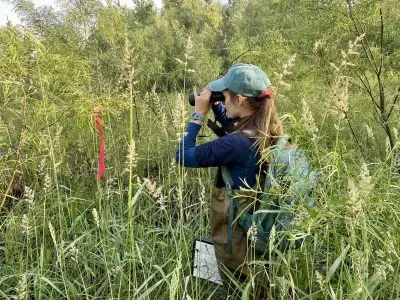
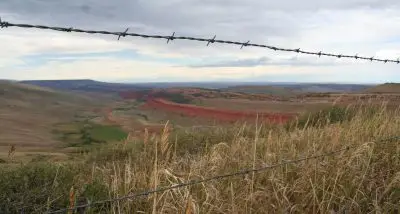
A University of Wyoming alumnus and a UW professor of statistics have published a study proposing the use of spatially balanced rotating panel designs as a time and cost-efficient way to monitor the ecological reclamation of oil and natural gas sites while increasing data quality.
A University of Wyoming master’s student studying botany, Tanner Gordon of Des Moines, Iowa, earned a first-place recognition for his poster focused on work done by him and his adviser in Colorado’s Front Range.
Anna Krepel is a top performer at the state and national level. The secret to her academic, personal, and professional success? The University of Wyoming’s Range Club and the community she found there.
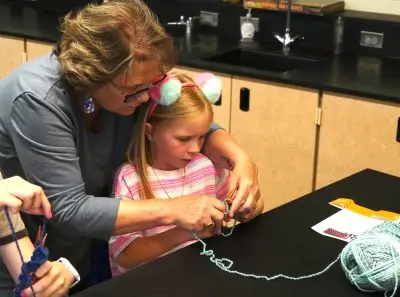
Sabrina White, the 2025 recipient of the Stewart Family Serviceship Award, expanded her “Bee the Scientist” program this year and elevated science education and community outreach throughout Wyoming’s senior centers.
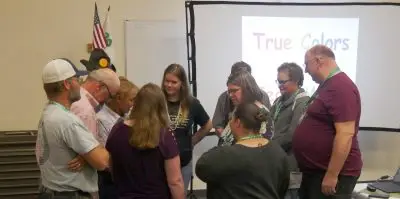
For Wyoming commercial pesticide applicators seeking to renew a valid license before it expires and for new commercial applicators seeking in-person education, a conference will be held at the Ramkota Hotel and Conference Center in Casper starting Tuesday, Jan. 20.
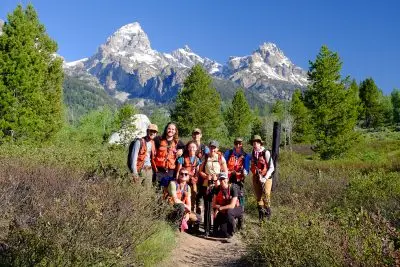
Throughout the fall, members and partners of the University of Wyoming College of Agriculture, Life Sciences and Natural Resources and UW Extension have been celebrated for their exceptional efforts and accomplishments.
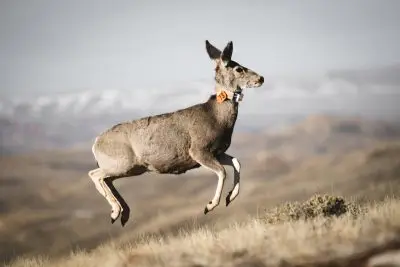
Many migration journeys were captured in new migration maps released this week documenting two extensive pronghorn migrations in the Northern Sagebrush Steppe, spanning southern Alberta and Saskatchewan, Canada, and northern Montana.
Drea Hineman, a University of Wyoming student from Gillette, has earned regional recognition for her innovative space-farming research supported by NASA. As a Wyoming NASA Space Grant Consortium research fellow, Hineman studies sustainable food production in reduced-gravity environments—in other words, farming in space.