

Food pantries are a vital resource for many in Wyoming communities.
The Cent$ible Nutrition Program (CNP), through the University of Wyoming Extension, partners with food pantries across the state to support the health of the thousands of people who rely on food pantries for food throughout the month.
“Food pantries help an overlooked part of our community,” said Kay Rossiter, director of The Lord’s Storehouse in Evanston.
“When the economy takes a hit, when jobs are lost, when the winter is long and heating bills are higher than normal, the pantry is the constant source of food assistance for individuals,” said Sierra Mitchell, director of the Afton Food Pantry. “Many people don’t realize a bulk of our numbers are elderly patrons. They cannot go out and work overtime to get ahead; they are living with a consistent amount each month.”
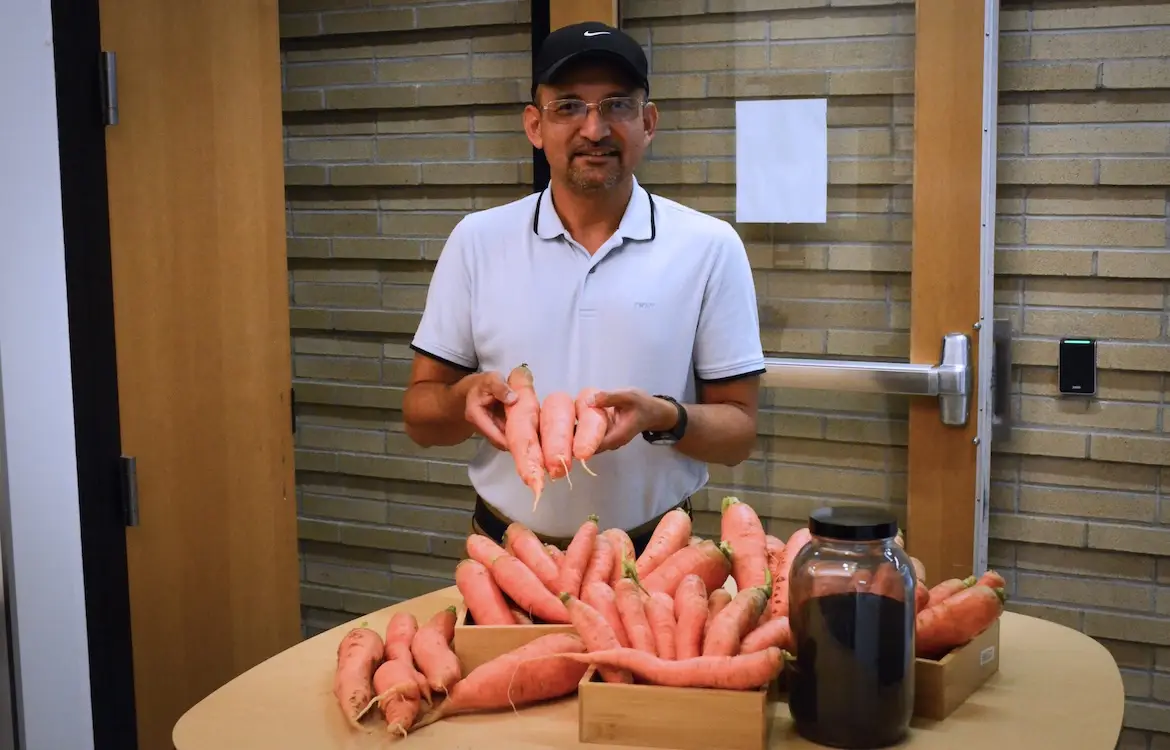
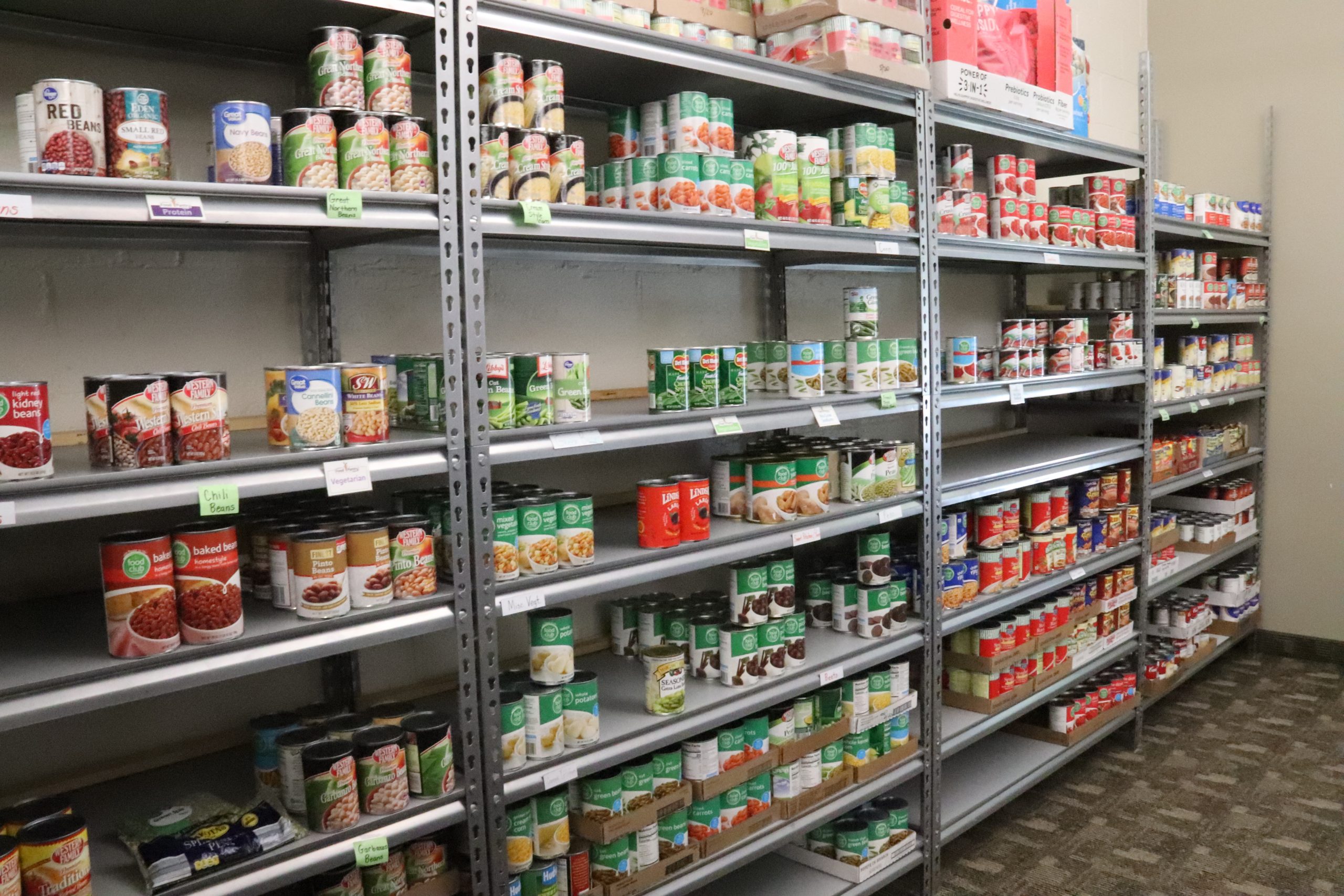
People often think about shelf-stable pantry items like canned and dry goods when it comes to food donations. While these items are essential, many pantries are looking to offer fresh foods and healthier choices.
“Fresh food donations have proven to be the most wanted and needed items,” said Mitchell. “When a family is already financially struggling, they may shop for the cheaper food items, and produce is more expensive. We have loved being able to offer fresh and healthier options while trying to take off the financial burden.”
Fresh fruits, vegetables, meat, and dairy are often among the top donation requests from food pantries that have the capacity to safely store such items.
“Fresh donations are a necessity for people to thrive, as opposed to just sustain,” said Rossiter.
Fresh foods are not the only healthy foods that benefit pantries. Canned goods low in sodium and sugar, whole-grain products, and dried, canned, and frozen fruits and vegetables all make good donations.
The holidays are a popular time for food drives and donations to community food pantries, but donations are needed year-round. March through August tends to be when pantries see the lowest donations and the time when they struggle to provide food, especially healthier options.
“Food banks and pantries can only survive on the generosity of the community they reside in,” said Jillaine Maes, board member and coordinator of The Emergency Food Assistance Program at Thayne Community Food Bank. “Although we receive some grant money, it is usually limited in scope and duration. Without the help of the community, we would soon run out of food and be unable to assist those in need.”
Many pantries will accept fresh fruit and vegetable donations from community gardens and local gardeners as well as meat from hunters. Check with your food pantry on their policies and capacity for storage and consider donating extra food from your harvest.
Top Donations Requests
Fresh fruits, vegetables, meat, and dairy (for pantries that can accommodate these items)
Canned meat (chicken, tuna, ham, etc.)
Baking staples (flour, sugar, oil, etc.)
Soups (look for low-sodium options)
Pasta (look for whole-wheat options)
Canned tomato products (diced, stewed, paste, sauce)
Frozen meat (if storage options are available)
Dry cereal (look for low-sugar, whole-grain options)
Peanut butter
Jelly
Try to pick items low in sodium, fat, and added sugar when choosing foods for donations. Cans with pop-tops are also preferred, if possible.
 Hunters: Donate game meat to your community at no cost! Learn more at: www.nohungerwyo.org/field.
Kali McCrackin Goodenough is the marketing coordinator with the Cent$ible Nutrition Program in the University of Wyoming Extension. She can be reached at (307) 766-4147 or at kali.mccrackingoodenough@uwyo.edu.