
Recent federal legislation has eliminated funding for Wyoming’s SNAP-Ed program, which currently provides nutrition education for families and individuals across the state. Per the One Big, Beautiful Bill, changes will go into effect September 30, 2025.
SNAP-Ed, the Supplemental Nutrition Assistance Program-Education, is a federally funded and state-administered program through the Department of Family Services (DFS) that empowers people with limited resources, helping them to develop skills that improve their health, stretch food dollars, and increase food security. In Wyoming, SNAP-Ed is provided by the University of Wyoming Extension’s Cent$ible Nutrition Program (CNP).
As the education arm of Wyoming’s Supplemental Nutrition Assistance Program (formerly called food stamps), CNP teaches participants how to more effectively use the food resources available to them. Eliminating SNAP-Ed creates a critical gap in public health infrastructure in Wyoming and across the country.
Currently, CNP delivers free nutrition education programs in community settings, including public schools, UW Extension offices, veteran programs, income-based housing, and senior centers.
In 2024, 95% of CNP participants reported that they had improved their diet quality and 92% reported that they had improved their food resource management skills. Participants saved an average of $53 per month on groceries and 73% increased their physical activity, reducing both financial strain and risk of chronic disease.
“Before working with Cent$ible Nutrition Program, I had a really hard time being able to stretch my meals and I was eating minimal food by the end of the month, and it was really hard to have food stretch till my next paycheck,” commented one CNP participant. “Since working with the Cent$ible Nutrition Program, I have learned how to meal prep so that I can have healthy meals throughout the whole month by stretching my food budget. I am so very grateful.”
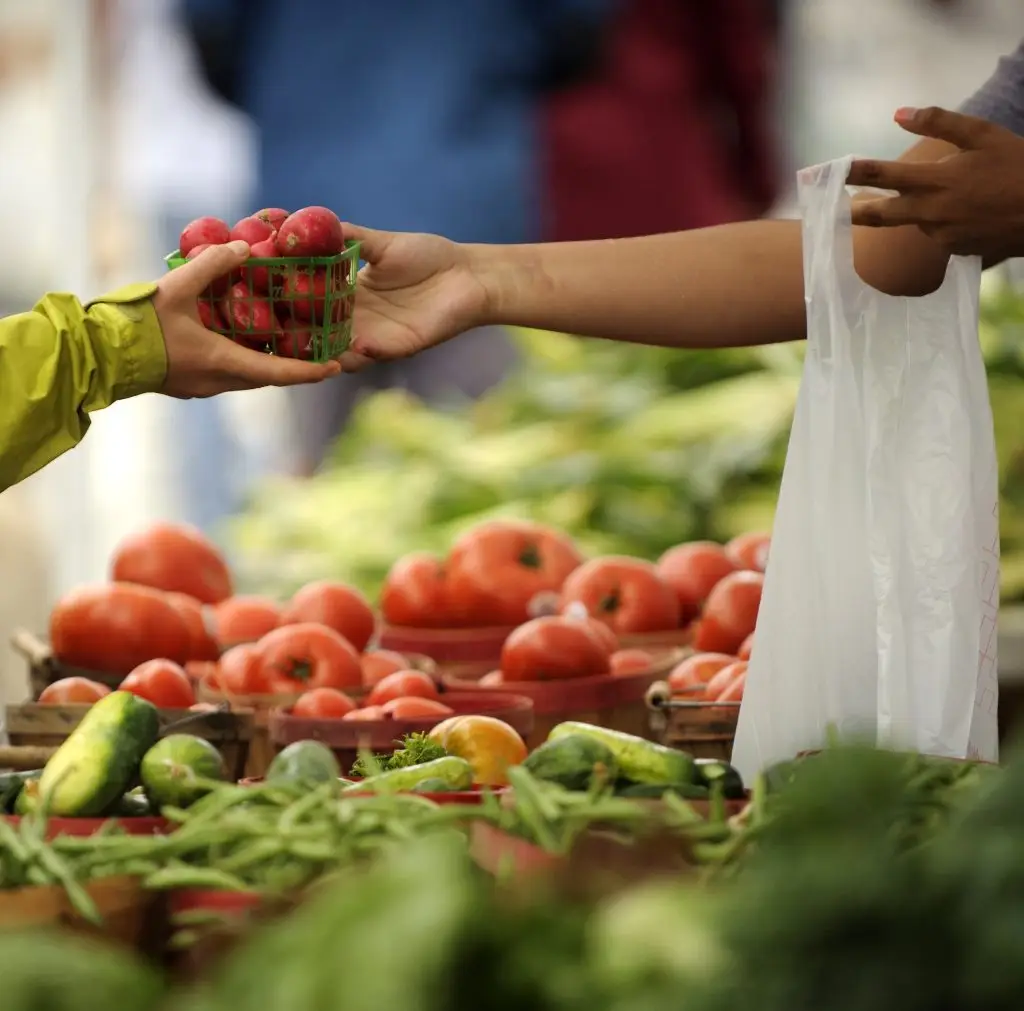
CNP also works with community organizations, including food pantries, childcare centers, senior centers, and farmers’ markets, to help put healthier choices within reach for people with limited resources. This is a unique area of work specific to SNAP-Ed.

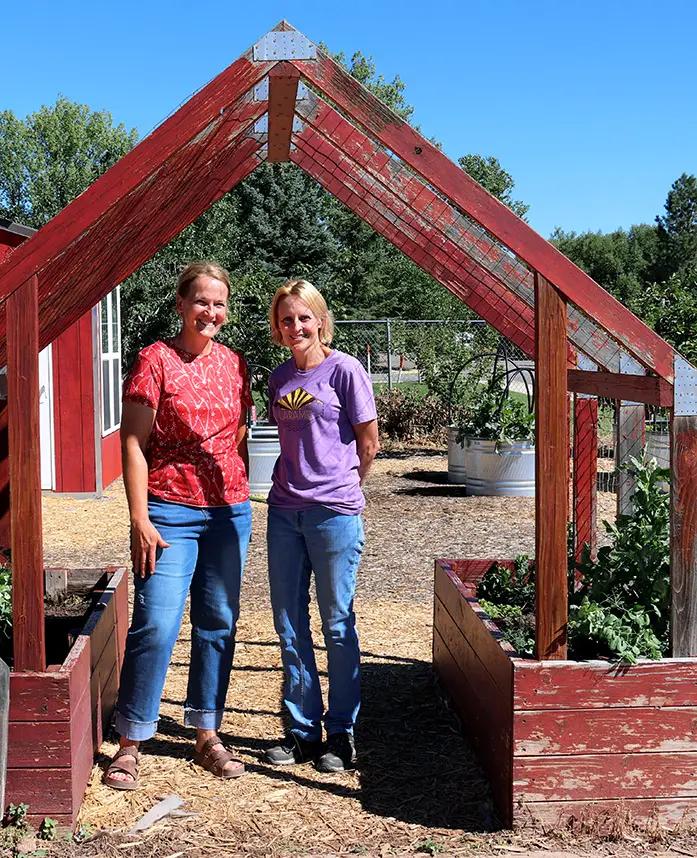
“For over 30 years, Wyoming SNAP-Ed, known as Cent$ible Nutrition Program, has been proud to serve the people and communities of Wyoming. The connections and relationships we’ve built with our communities have had a significant impact,” said Mindy Meuli, CNP director.
Currently, CNP provides programming in every county in Wyoming and on the Wind River Indian Reservation. With the loss of SNAP-Ed funds, CNP will have to end programming, including its community engagement efforts, in most of Wyoming. CNP will continue in a limited capacity through the Expanded Food and Nutrition Education Program (EFNEP) grant, focusing on nutrition education classes.
“We are now looking toward the future and working to find ways to continue our good work without SNAP-Ed funding,” said Meuli. “It has been our honor to work alongside the incredible local and state organizations striving for a more food- and nutrition-secure Wyoming. We are grateful for all the partnerships and support for our program over the years.”
CNP is working to reconfigure the program, and DFS is exploring the potential of using carryover funds from SNAP-Ed, per federal guidance.
To learn more about CNP programming, visit uwyocnp.org or email Mindy Meuli at mmeuli1@uwyo.edu.