

Author: Brooke Ortel

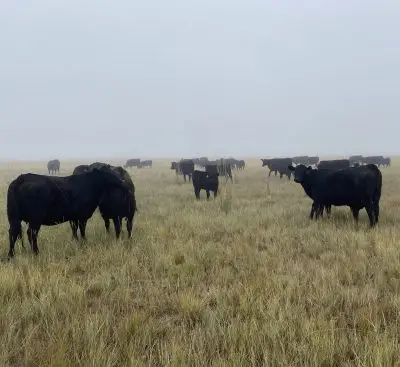
Herd of black cows stand in a field of green and yellow grass on a foggy day

Managed Grazing May Be the Key to Improving Soil Health at Reclaimed Mining Sites

Todd Heward’s family has been ranching in Shirley Basin, Wyoming, for more than a century. For decades, he has grazed cattle near and on reclaimed uranium mine sites, observing changes in the landscape over time. Under his conscientious management, Heward has seen former mining sites slowly return to grasslands with healthy soil and diverse plant communities.
Read More »

Selfie of a smiling woman holding up a large head of leafy green lettuce

UW Undergrad’s NASA Research May Help Astronauts Grow Veggies in Outer Space

If you ask someone on planet Earth what their favorite food is, lettuce probably isn’t the most common answer. But for astronauts aboard the International Space Station, fresh lettuce is a delicacy. As a NASA research fellow, UW undergraduate Bree Drew tested which lettuce varieties and harvest methods might be most efficient—and yield the tastiest product—to better serve astronauts far from home.
Read More »
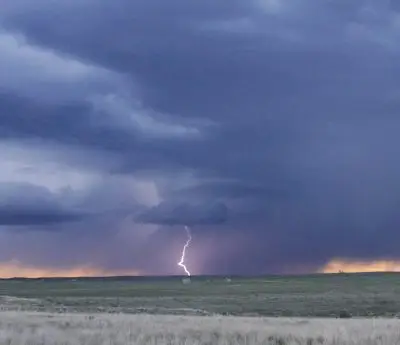
Looking out across a sagebrush plain, jagged white lightning bolt strikes the ground on the horizon underneath dark blue clouds tinged with peach

Water, Weather, and the Future of Wyoming Agriculture

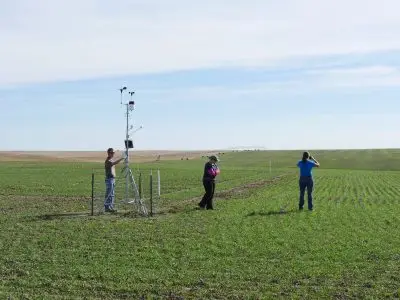
Water, weather, wildfire—the list goes on. For Wyoming residents, especially those involved in agriculture, these environmental factors directly impact lives and livelihoods. As producers across the state face increased risk of severe drought, water shortages, and related issues, how can staff at land management agencies, conservation districts, county extension offices, and other local organizations help them plan ahead?
Read More »
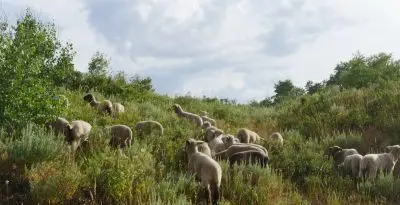
small flock of sheep grazes in a green landscape with grasses, sagebrush, and an aspen with bright but cloudy sky above

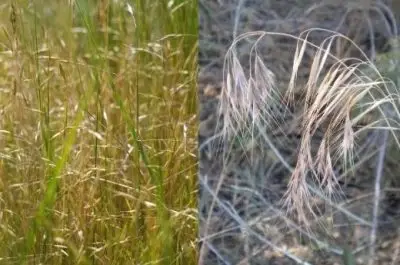
Invasive Scourges Like Cheatgrass Unlikely to Compromise Forage Nutrition

As many Wyoming residents have experienced firsthand, invasive plants like cheatgrass increase wildfire risk and compete with native species for water and nutrients. In some cases, they can also be toxic to grazing animals. While these scourges pose serious threats to agricultural operations, a study by UW scientists may provide some reassurance for Wyoming sheep producers.
Read More »