

The University of Wyoming’s Institute for Managing Annual Grasses Invading Natural Ecosystems (IMAGINE) has released a new educational film for Western communities grappling with the spread of invasive annual grasses.
IMAGINE works with local, state, and regional partners to prevent and manage the spread of these plants through scientific research, outreach education, and the development of practical resources for land managers and landowners.
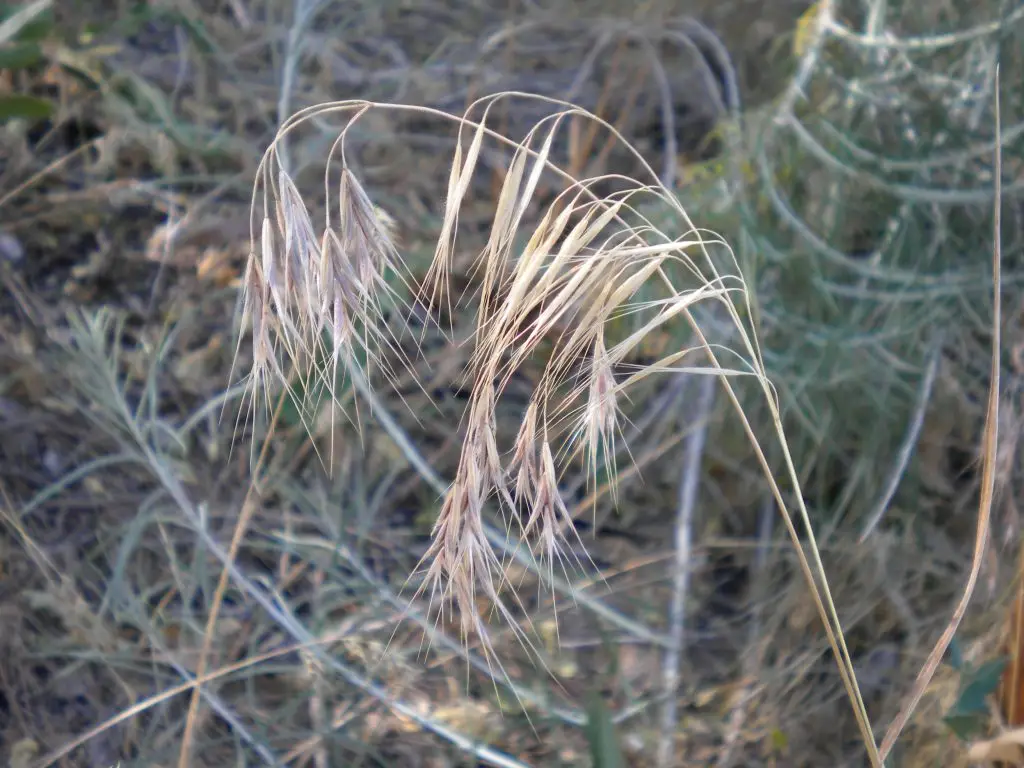
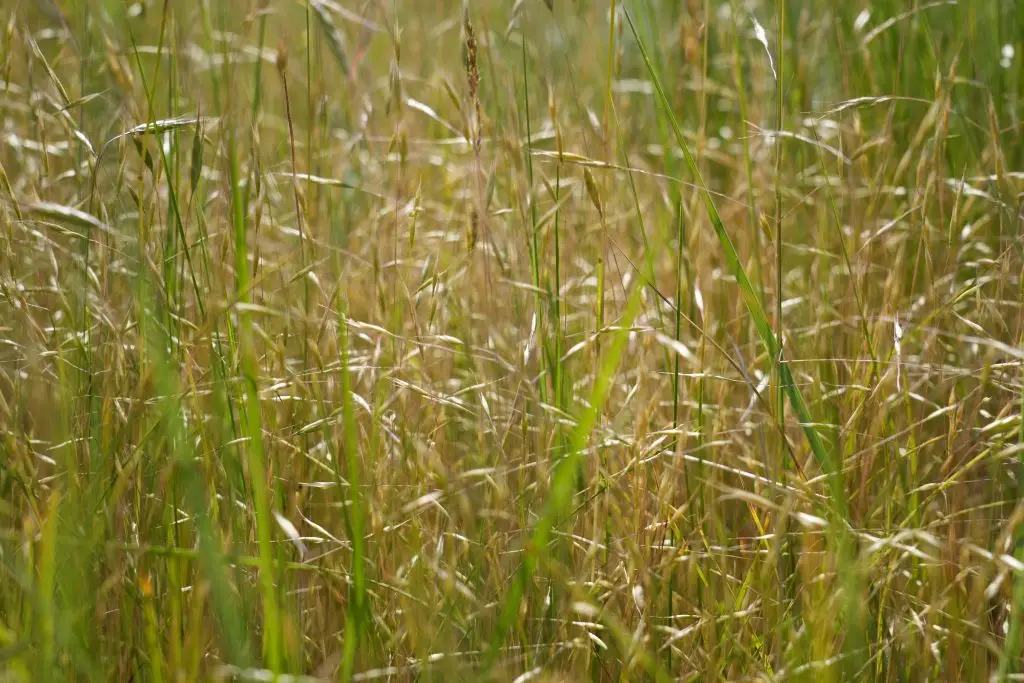
Invasive annual grasses, including cheatgrass, medusahead, and ventenata, are the leading cause of land degradation in the sagebrush biome. These grasses already impact more than 100 million acres in the western U.S., reducing forage quality for livestock and wildlife, suppressing native plants, and altering wildfire frequency and severity.
“The problem has seemed intractable for generations—since the 1800s—and we finally have the tools to make this better,” says Brian Mealor, director of IMAGINE and UW’s Sheridan Research and Extension Center. “We want to empower [viewers] with the knowledge that people are doing this and succeeding.”
The film’s title, “Defend Your Core,” refers to a research-based management strategy that encourages land managers to prioritize protection of intact “core” areas not yet impacted by invasive grasses, then expand those areas by treating invasive grasses approaching the perimeter.
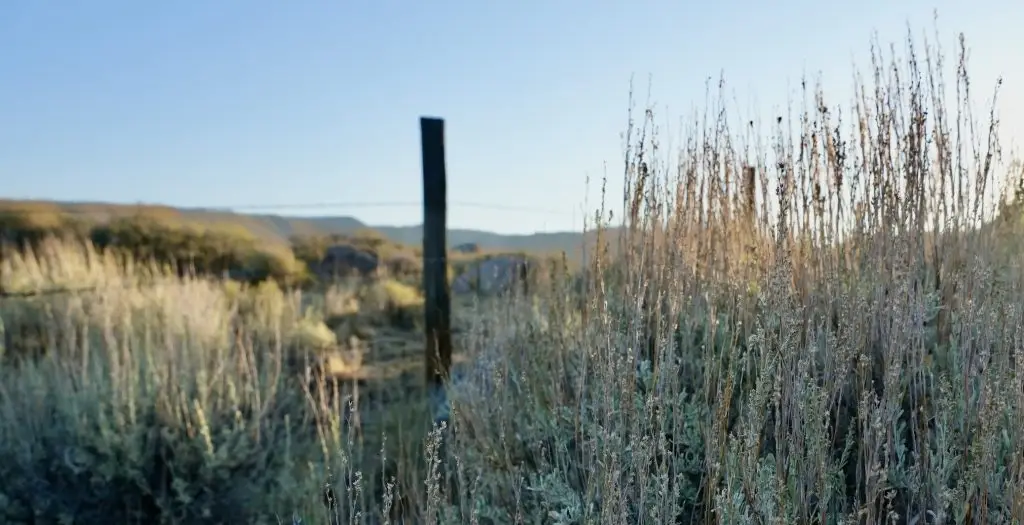
“Defend Your Core” is the first of a series chronicling efforts to manage invasive grasses in three Wyoming counties (Carbon, Sheridan, and Sublette) as well as in Elko, Nevada; Gunnison, Colorado; and Craters of the Moon National Monument and Preserve in Idaho. New episodes will be released periodically, starting in November and continuing through March 2026.
Mealor hopes the film series will inspire Western communities to take action using an expanding suite of new management and treatment options.
The project brings together university scientists, county weed and pest districts, county commissioners, private landowners, and nonprofit organizations as well as federal and state agencies.
“We are all in this together,” comments Tom Barnes, a third-generation Nevada rancher who contributed to the film and has been implementing cheatgrass management strategies on his property.
“Everyone should care,” adds Lacey Clarke, Idaho Cheatgrass Challenge coordinator with Pheasants Forever and a contributor to the film. “[Invasive annual grasses] affect everybody everywhere eventually somewhere down the line.”
Funding partners for the film series include the Bureau of Land Management, Intermountain West Joint Venture (IWJV), National Park Service, Natural Resources Conservation Service’s Working Lands for Wildlife (WLFW), U.S. Fish and Wildlife Service, and the Watt Foundation.
Collaborators include the Barnes Ranch, Inc., Carbon County Weed & Pest District, Gunnison County Commissioners, Masters Ranch, Nevada Department of Wildlife, Northeast Wyoming Invasive Species Working Group, Pheasants Forever, Sheridan County Weed & Pest District, Sublette County Weed & Pest District, and Wyoming Wild Sheep Foundation.
To watch “Defend Your Core,” visit https://bit.ly/imagine-defend-core. To view the entire series, visit www.invasivegrasses.com/films.