

The University of Wyoming College of Agriculture and Natural Resources will celebrate 155 anticipated undergraduate students and 25 graduate students during in-person graduation ceremonies Friday and Saturday in Laramie.
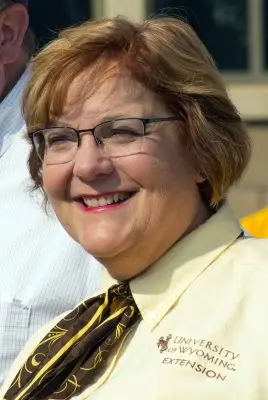
“I am excited to participate in an in-person commencement ceremony,” said Barbara Rasco, dean of the College of Agriculture and Natural Resources. “We know students have had an unprecedented and stressful year. I look forward to seeing our students at this culminating event and wish them the best as they graduate into the next phase of their life’s journey.”
The undergraduate ceremony begins at 12:30 p.m. at the Arena-Auditorium. One hundred-four undergraduate students from the college are planning to attend the ceremony, which is combined with the College of Engineering and School of Energy Resources.
Jim Magagna, executive vice president of the Wyoming Stock Growers Association, is the keynote speaker for the undergraduate ceremony. Magagna will also receive an honorary doctoral degree from the university. To view the ceremony, visit https://wyolinks.uwyo.edu/2021SpringComm1.
The graduate student ceremony is 9 a.m. Saturday, May 15, at the Arena-Auditorium. Nine students from the college are expected to attend. The link is https://wyolinks.uwyo.edu/2021SpringComm3.