
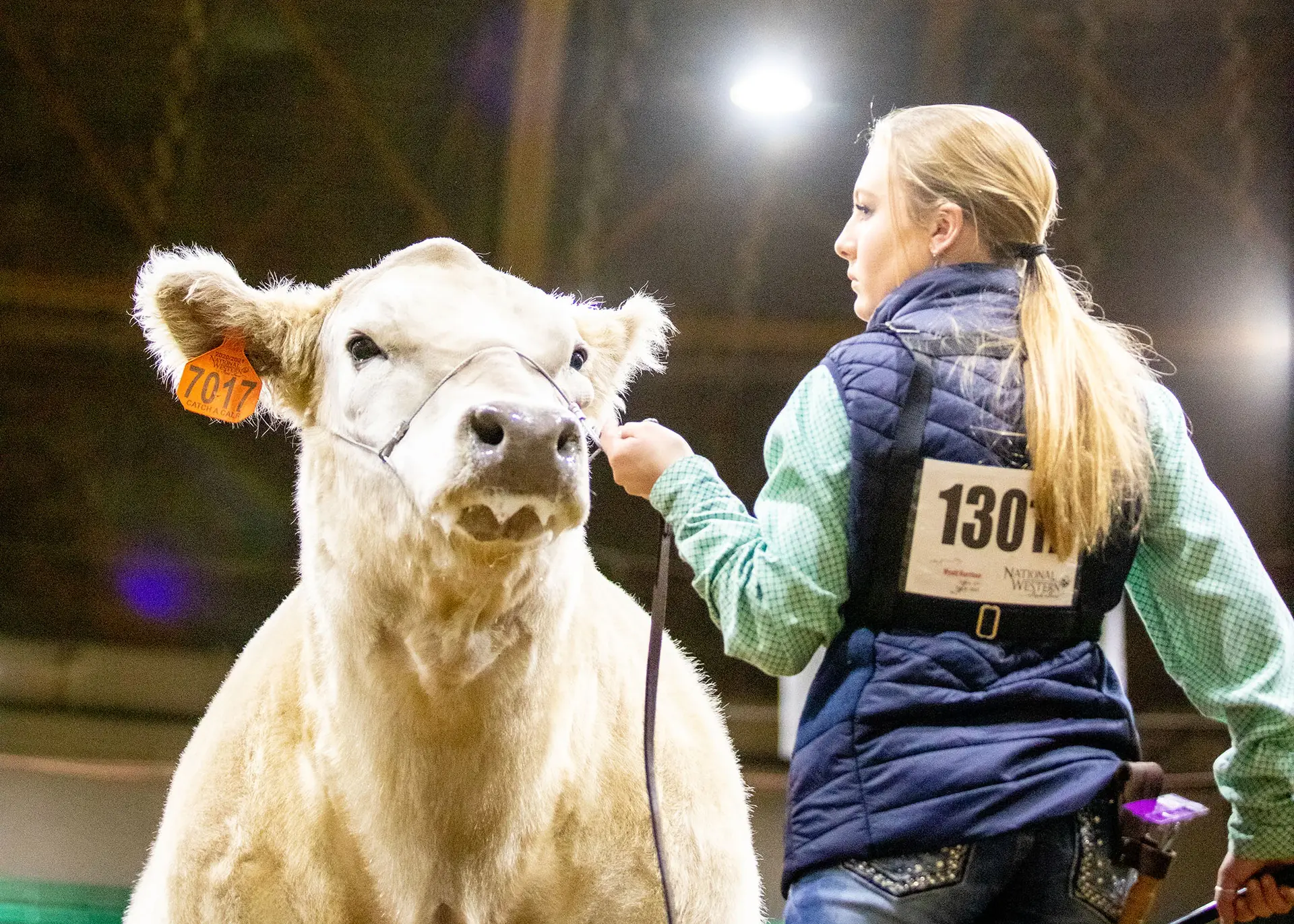
Eight Wyoming 4-H’ers exhibited their Catch-A-Calf projects at the National Western Stock Show early in January despite COVID-19 cancellations.
“This program year looked very different from a typical year,” said Molly Keil, superintendent of the NWSS Catch-A-Calf program and a former Albany County 4-H Extension educator. “The only normal aspect was the kids got to catch calves at the NWSS rodeo, pre-pandemic.”
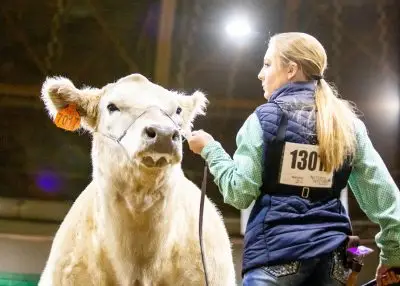
Wyatt Harrison from Basin received reserve champion in her showmanship class, second in record books, eighth in sponsor relations, ninth in the production phase and sixth overall.
Haydan Huyser from Evansville received champion for his live placing class and second in the carcass contest.
Wyatt Jarman from Rozet was seventh in record books and twelfth in production phase.
Jaeden Cleven from Laramie was sixth in sponsor relations and tenth in production phase.
Other participants included Cael Churches of Laramie, Brea Mills of Yoder, and Evan Smith and Logan Stockton of Cheyenne.
Due to the cancelations of the 2021 NWSS, there were no rodeos for the next group of applicants to catch their steers. With over 70 applicants, 40 names were randomly drawn to participant in the 2021-2022 program year, shared Keil.
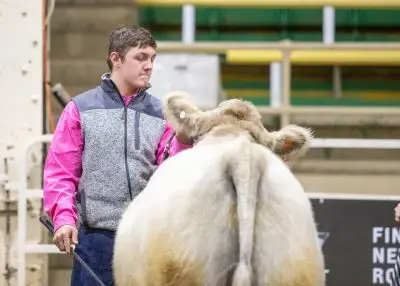
Garrett Burkett of Evansville, Chelsi Green and Macie Hopkin of Cowley, Kayden Makinen of Rawlins, Yazmin Munoz of Burns, Jordyn Renquist of Rolling Hills and Tanner Rogers and Rachel Taro of Laramie have all been selected to participant in the 2021-22 program.
The Catch-A-Calf program began in 1935 and is designed so participants catch a calf, feed it and return with the animal one year later as a market steer. They are judged on rate of gain, quality of fitting and carcass quality. The exhibitor is also judged on showmanship, record book and a personal interview.
The cattle for the 2020-21 Catch-A-Calf contest were Charolais/Black Angus cross purchases from Wagonhammer Ranch of Albion, Neb. Each participant has a sponsor(s) who covers the costs of the steer and in return the participant is required to write a monthly letter to their sponsor(s) sharing progress of their steer and any general information about their life, shared Keil.
Traditionally, an educational seminar to meet sponsors and distribute calves for participants is held in May at Denver. Instead, each state – Colorado, Nebraska, Kansas and Wyoming – had their own distribution sites, shared Keil.
“The bonus was that families didn’t have to travel so far,” said Keil. “The negative aspect was that very few participants got to meet their sponsors.”
Zoom became their go-to platform for answering questions and distributing the requirements of the program, shared Keil.
When the 2021 NWSS was cancelled, participants had their steers for just over four months and had four more left before the expected completion of the program, shared Keil.
“It did send panic through the Catch-A-Calf families,” said Keil. “Thankfully, the leadership at the National Western Stock Show recognizes the value of this program and they knew how important it was for these kids to be able to complete what they started.”
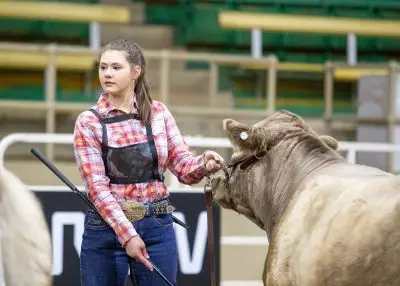
Typically, only the top two participants are able to sell in the NWSS Junior Livestock Sale based on total points awarded from all aspects of the project including sponsor relations, interview, record book, industry performance, documents submitted on time, showmanship placing and live placing. Each participant who completed all aspects of the project was able to sell this year.
“Although this was far from a normal program year, these kids were rewarded for sticking with the project until the very end,” said Keil.