

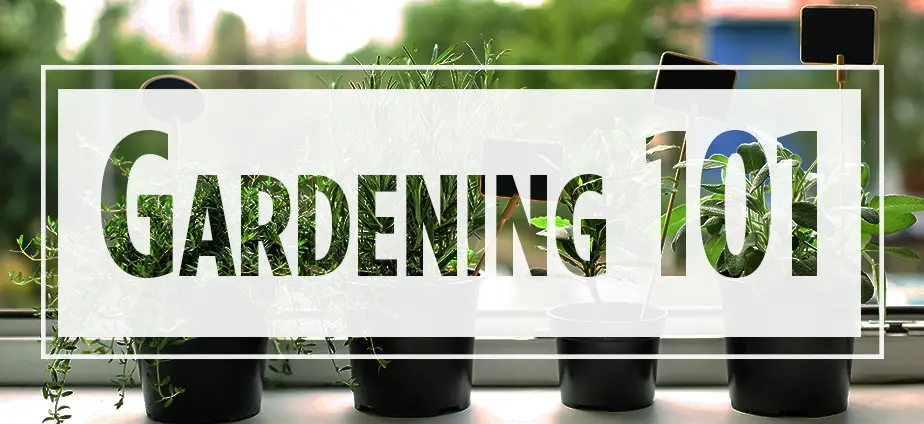
The summer outdoor growing season may be winding down, but your gardening adventure doesn’t have to end. Growing herb gardens on your windowsill is a way to keep your garden thumb green and add a touch of color and flavor to your plate. Herbs do well in Wyoming because they grow well in cool climates, can survive cold winters, and like lots of sunshine. There are five keys to success when it comes to growing an herb garden – light, temperature, water, fertilizer, and insect and disease control.
Light
- Most herbs need a lot of light, so choose a south, west, or east window for your windowsill garden. Herbs do best with about 8 hours of sunlight a day.
- Too much light can cause plants to wilt. If this happens, plants may show browning on the edges of the leaves. Move plants a few inches away from the window or place a thin curtain between the window and the plant
Temperature
- Most herbs adapt to temperatures in homes.
- Avoid placing herbs near doors with extreme temperatures, places where the wind comes in, or areas where they could be damaged from people and pets coming in and out.
Water
- Plant herbs in well-drained soil, such as a growing mixture from a garden story.
- Herbs prefer consistent moisture. Be careful not to overwater or make the soil soggy. This will lead to root rot.
- Water plants as soon as the soil becomes dry.
Fertilizer
- Fertilizer helps supply plants with additional nutrients.
- There are different types of fertilizers that can be purchased and used. Be sure to follow the directions carefully.
Insect & Disease Control
- The most common plant pests are aphids, whiteflies, mealy bugs, and spider mites.
- If pests appear, rinse off leaves in the sink to help remove them.
- Large infestations may mean the plant needs to be thrown away.
Herbs for your windowsill garden:
Perennials (return year after year)
- Chives
- Lavender
- Mint
- Thyme
Annuals (replant every year)
- Basil
- Cilantro/coriander
- Dill
- Oregano
- Rosemary
For more on growing herbs in containers, visit our Container Gardening article. Happy gardening!
Information summarized from UW Extension publications by Katie Shockley, Writer/Editor, University of Wyoming Extension Communications & Technology.
Additional Resources
Learn more about growing herbs with these resources from the University of Wyoming Extension:
- Barnyards & Backyards: Add a dash of homegrown zest to your diet

- UW Extension Publication: Gardening: Growing Herbs in Wyoming
- Barnyards & Backyards: Herbs at Home
- Video: Herb Gardening
- Video: Culinary Herbs in the Garden
- Video: Indoor Herbs
- BONUS Podcast (click or listen on Spotify): Summer & Fall Turf Care
Next up: Summer Squash + a recipe [Coming August 21]
Previous issue: All Things Spinach
If you know someone who might enjoy this newsletter, please share it with them! They can subscribe on the Cent$ible Nutrition Program’s website.
Find us on Facebook, Pinterest, and the Cent$ible Nutrition Program website.