While working toward his bachelor’s degree, Billings started a quick-start master’s degree program offered through UW that allowed him to begin working on his plant sciences research during the summers.
Teams of student entrepreneurs won prizes to advance their business ideas during the recent 24th annual John P. Ellbogen $50K Entrepreneurship Competition (EEC) at the University of Wyoming.
More than 650 junior and senior high school female students from across the state have signed up to learn more about science and its various disciplines on the University of Wyoming campus.
Bethann Garramon Merkle, a University of Wyoming Department of Zoology and Physiology assistant professor of practice, is among 10 faculty members nationwide elected as Early Career Fellows by the Ecological Society of America (ESA).
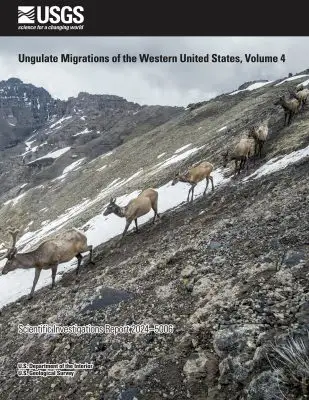
A new set of maps that document the movements of ungulates is now published in the fourth volume of the “Ungulate Migrations of the Western United States.”
University of Wyoming President Ed Seidel has recognized faculty members who demonstrate high achievement in scholarship through the 2024 Presidential Scholarly Achievement Awards.
The University of Wyoming’s School of Graduate Education and Graduate Council have selected the 2024 winners of graduate student and mentor awards for outstanding teaching and research.
Thirty-six University of Wyoming instructors who inspire excitement, inquiry, and autonomy in first-year courses are this year’s Promoting Intellectual Engagement (PIE) Award recipients, including four instructors from the College of Agriculture, Life Sciences and Natural Resources.
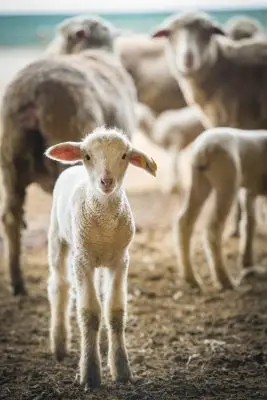
The University of Wyoming Extension Sheep Task Force will offer a free webinar Tuesday, April 23, at 6 p.m. The hourlong event is geared toward Wyoming sheep producers interested in updating their lambing barn facilities and technology.
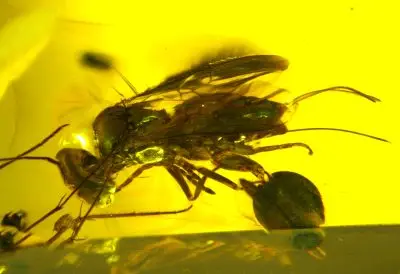
A newly discovered ancient wasp species, dubbed Cretolyra shawi, was recently named in honor of Scott Shaw, a professor in the University of Wyoming’s Department of Ecosystem Science and Management.
UW researchers recently published a paper about a safe-for-humans chemical compound that can make fungi less virulent, a significant step towards more effective and sustainable fungicides.