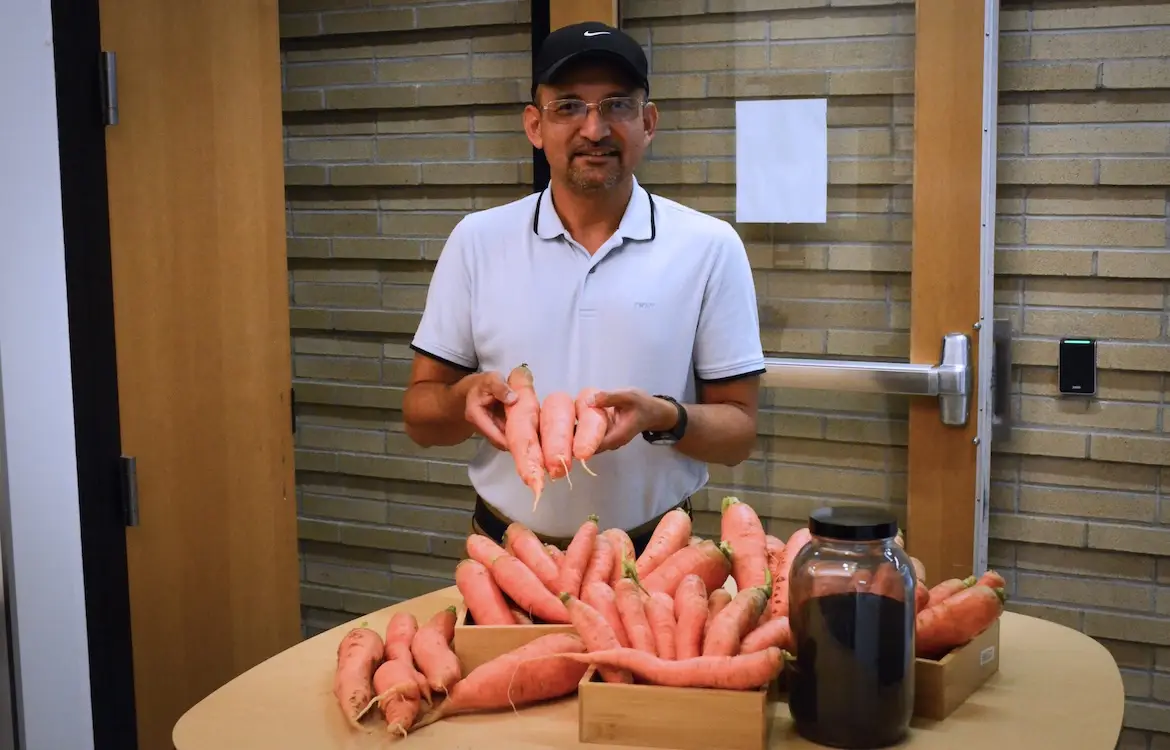


The University of Wyoming Extension recently released a new software application that can be used to identify Wyoming plant diseases and pests.
The mobile app, called Wyoming Crop Pests, is available for both Android and Apple devices and can be found in app stores by searching “Wyoming Crop Pests”. Scott Schell, UW Extension entomologist, developed the tool to help amateur home gardeners and producers identify plant diseases and pests.
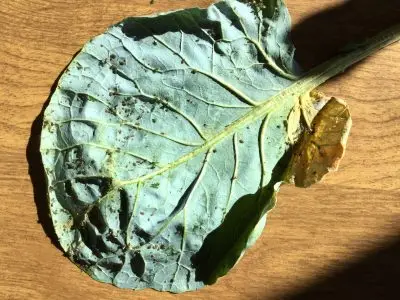
The Wyoming Crop Pests app contains information about common pests of vegetables grown in Wyoming. Users select a crop and types of damage based on both pictures and short descriptions. Once users have used the interactive key to narrow down the kinds of pests that may be causing the damage they’re seeing, they can explore links explaining the best ways to manage those pests.
To develop the app, Schell tapped into resources from other land-grant universities to share links to current, well-researched information about each pest. The app also contains links to the “Wyoming Vegetable and Fruit Growing Guide,” a free publication from UW Extension that provides comprehensive information about how to garden successfully in Wyoming conditions. While the app currently focuses on vegetable pests, Schell may eventually add information about fruit pests as well.
Schell emphasizes that if a user isn’t sure whether the damage they’re seeing on their plants matches what they’re seeing in the app, they should contact their local extension office.
“This is a tool that give people some independence, but I also want them to know where they can reach out for more info and help on pest issues,” says Schell. “I’m always happy to look at pictures of bugs!”
He sees the new tool as an opportunity to reach younger audiences who may not know about extension services.
Schell also aimed to make the app accessible to users who may be less comfortable with technology. “I find it kind of ironic that a guy like me was involved in making an app,” says Schell. “There’s probably a lot more verbiage explaining how to use it than most apps. For a lot of people my age, these apps aren’t intuitive.”
For more information about the app or Wyoming crop pests, contact Schell at sschell@uwyo.edu or (307) 766-2508.