
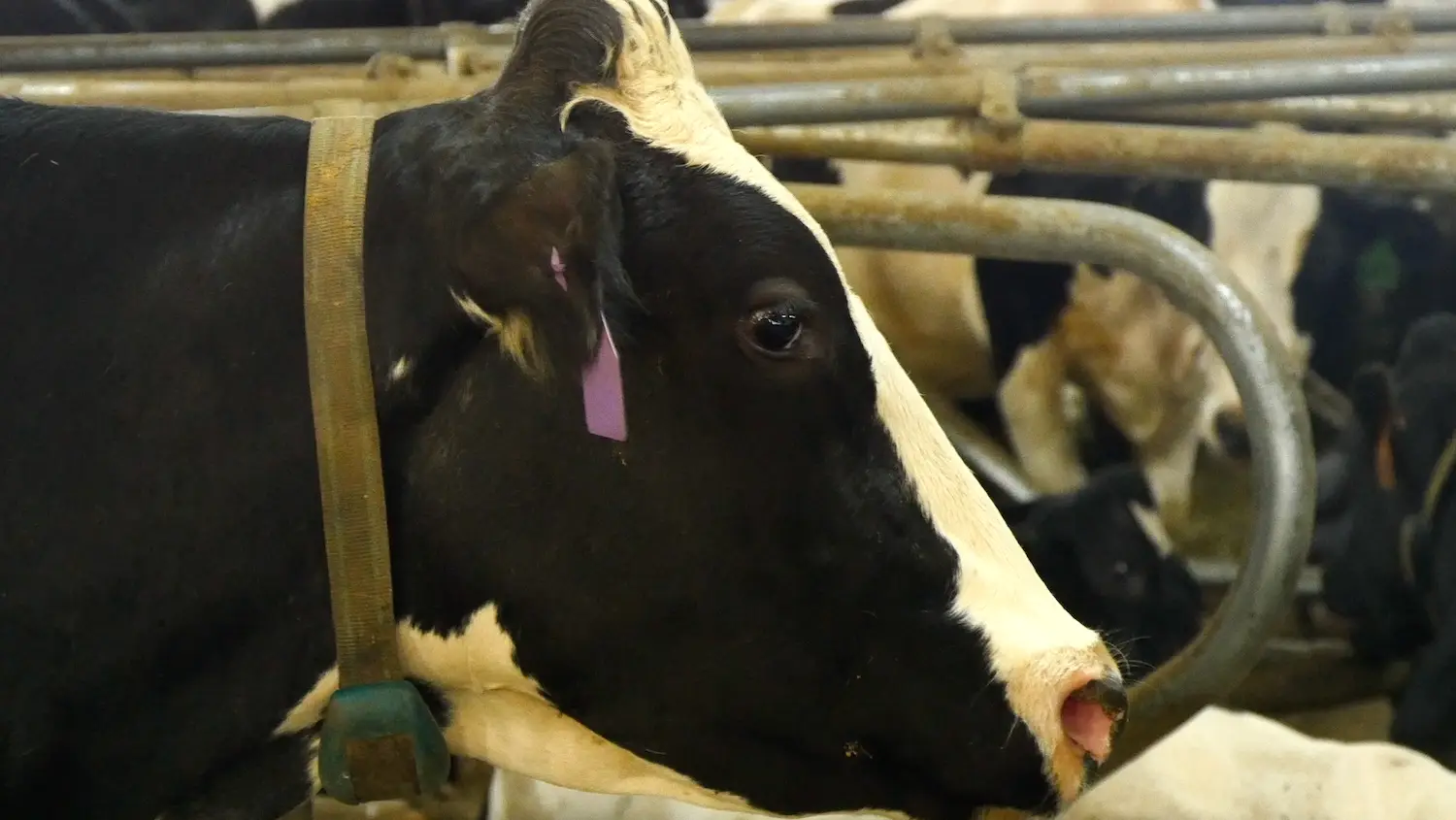
The Wyoming Department of Agriculture announced on June 7 highly pathogenic avian influenza (HPAI) has been detected in one of Wyoming’s dairy herds. Wyoming marks the twelfth state with a reported case of the virus since the first confirmed case in March 2024. HPAI has now been detected in more than 80 herds nationwide.
According to the FDA, CDC, and USDA, the threat of the disease in humans remains low, and consuming pasteurized milk and properly cooked meat is safe. However, the economic impact of the disease in dairy herds can be significant.
Wyoming State Veterinarian Hallie Hasel says, “The primary concern with this diagnosis (HPAI) is on-dairy production losses, as the disease has been associated with decreased milk production.” The immediate reduction in milk production has negative consequences for the farm’s revenue.
Economic estimates from Michigan State University Extension provide insight from a dairy producer in Michigan whose herd was infected with HPAI. Daily milk production decreased about 5 pounds during the first nine days of infection. By day 12 of the infection, each cow was producing about 21 pounds less than average. This equates to approximately $4.31 in losses for each animal daily, assuming a milk price of $20.50 per hundred weight. The MSU Extension report can be found at www.bit.ly/hpai-report.
Supportive measures, such as buying medical supplies and increased labor costs due to sanitation and treatment of infected animals, add to the economic impact of HPAI. The Michigan producer estimates total losses for his 500 head dairy operation were between $30,000–$40,000 during the first 15 days of the infection. The long-term effects of the disease in terms of production and culling remain unknown.
The detection of HPAI in a Wyoming dairy herd is an economic challenge to the state’s dairy industry. The immediate decrease in production for infected herds directly affects farm revenue. Additional expenses for labor, medical supplies and sanitation measures further strain the financial stability of affected farms. As the situation evolves, understanding and mitigating the long-term effects of HPAI on dairy production and herd management will be critical for dairy producers’ bottom lines.
Biosecurity recommendations on avoiding HPAI infections are available through the American Association of Bovine Practitioners and can be found at the following link: www.bit.ly/hpai-recs. For more information about the Wyoming outbreak, read the following report from the Wyoming Department of Agriculture at www.bit.ly/wy-hpai. Contact your local Extension office or UW livestock production and marketing specialist Rob Ziegler at rziegle3@uwyo.edu for questions.