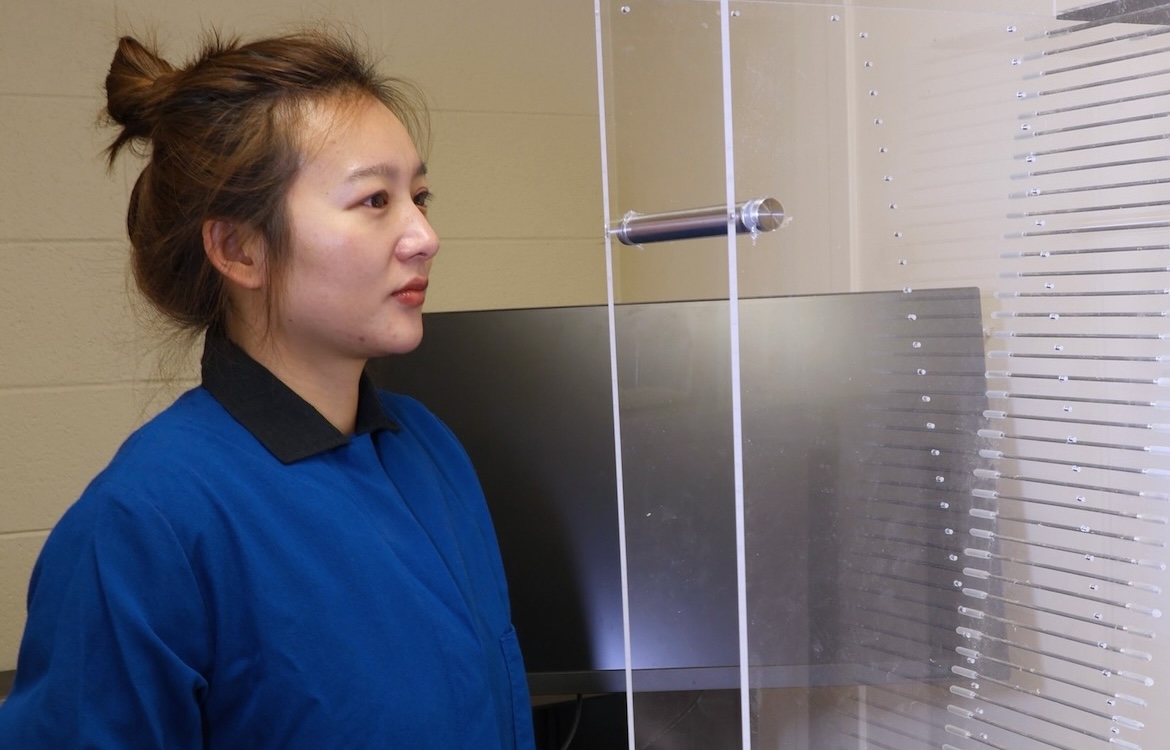

A recent University of Wyoming graduate from Green River has been selected for a competitive postdoctoral fellowship with the USDA’s Agriculture and Food Research Initiative.
Judith Herreid, who recently completed her Ph.D. in plant sciences, will head to Sidney, Montana, in September to begin a two-year fellowship with the Northern Plains Agricultural Research Laboratory.
According to the USDA, the fellowship is intended to cultivate future leaders who can solve emerging agricultural challenges.
One of those challenges is the loss of beneficial insects due to intensified agriculture—a problem Herreid is well positioned to explore. As a Ph.D. student, she studied non-chemical management of alfalfa weevil in the Intermountain West, including control methods that rely on natural enemies of agricultural pests.
“My long-term career goals are to work in the public sector and conduct applied biological control research that will benefit producers and lead to more sustainable agricultural systems,” Herreid explains.
As a postdoctoral fellow, she will work closely with the Conservation Reserve Program (CRP), a federal initiative that sets aside land through cropland retirement. According to Herreid, the program may offer large-scale opportunities to introduce more complexity into agricultural landscapes, providing habitat for beneficial insects that can help protect crops from pests.
During her fellowship, she will serve as the lead investigator in a field study examining the effects of introducing parasitoid wasps, which attack agricultural pests, to wheat and alfalfa systems in northwestern North Dakota. Ultimately, the goal of the project is to make broad recommendations regarding CRP impacts.
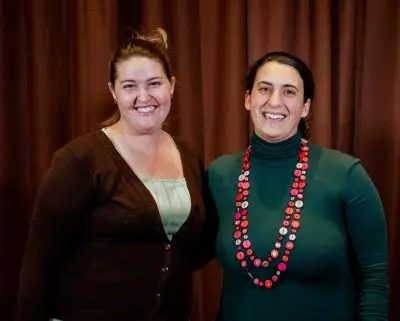
“I am so excited for Judith,” says Randa Jabbour, associate professor of plant sciences and Herreid’s major Ph.D. adviser. “Her research will be relevant throughout the northern High Plains and I look forward to her continued contributions to our discipline in her new position with the USDA Agricultural Research Service.”