

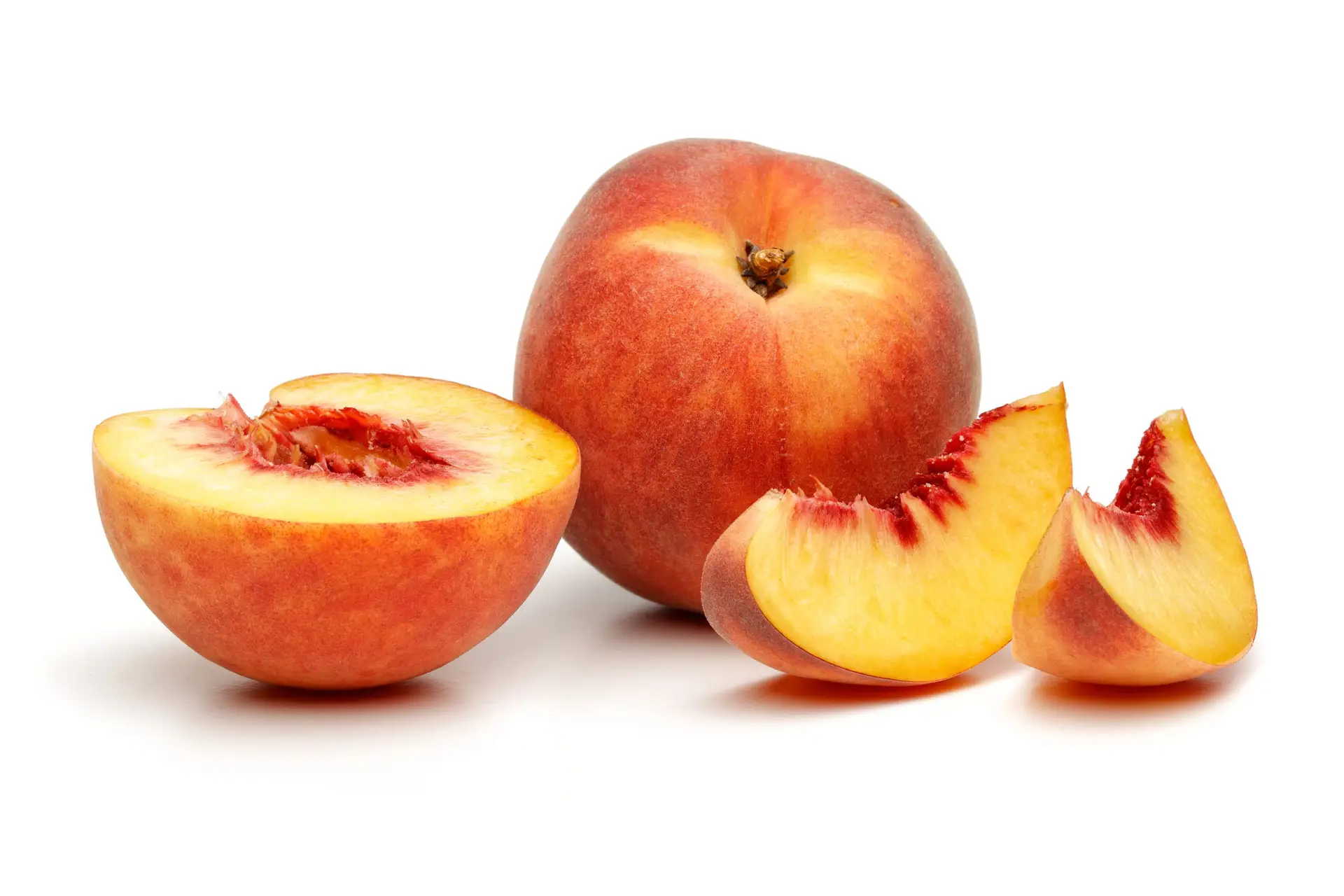
Countless Creative Muffins can be made with just about any add-in you have. For National Peach month, try them with peaches. Fresh, frozen or canned will work!
For more high-altitude baking recipes, see our High-Altitude Baking book at https://bit.ly/high-altitude-baking (free to download, $26.50 for print copy).
Servings: 12 muffins (recipe can be cut in half for 6 muffins)
Ingredients
- 2½ cups (300 g) all-purpose flour (spoon and level to measure)
- 1 tablespoon baking powder
- 1 teaspoon baking soda (see Note)
- 1 cup (198 g) sugar
- ¼ teaspoon salt
- ¼ cup (57 g) unsalted butter, melted
- ¼ cup (50 g) flavorless cooking oil
- 1 cup (227 g) buttermilk or milk, room temperature (see Note)
- 2 large eggs, room temperature
- 2 teaspoons vanilla extract
- 1½–2 cups of your favorite add-ins: chocolate chips, frozen fruit, nuts, etc. For peach muffins, add ½ teaspoon ground cinnamon and ¼ teaspoon ground nutmeg in the dry ingredients. Replace vanilla extract with almond extract. Fold 1½ cups diced fresh, frozen, or canned peaches in the batter.
- Muffin paper liners or nonstick spray
Optional toppings: sugar, coarse sugar, cinnamon sugar, streusel topping, etc. for sprinkling
Streusel topping: In a medium bowl, combine 1/3 cup brown sugar, 1 tablespoon sugar, 1 teaspoon cinnamon, and ¼ cup melted butter. Using a rubber spatula, stir in 2/3 cup all-purpose flour.
Directions:
- Preheat oven to 425°F. Line a muffin tin with paper liners or spray muffin tin cups with nonstick spray.
- In a small bowl, whisk together the flour, baking powder, baking soda, sugar, and salt; set aside.
- With an electric mixer, to the butter, add the oil and beat until combined. Add the buttermilk, eggs, and vanilla extract. Mix thoroughly until all ingredients are well combined.
- Using a silicone spatula or spoon, gently fold the dry ingredients in the wet, taking care not to overmix. Once the dry ingredients have been halfway stirred in the wet ingredients, stir in add-ins, if using, and continue to fold in the batter until just combined. Do not overmix!
- Using a 1/3 measuring cup or muffin scoop, portion the batter in the prepared tin, filling each liner 3/4 full.
- If desired, sprinkle tops generously with sugar, cinnamon sugar, or streusel topping and transfer muffin tin to the preheated oven.
- Bake muffins at 425°F for 8 minutes, then without opening the oven door, reduce the oven temperature to 350°F and bake another 10–14 minutes until tops are beginning to turn golden brown and a toothpick inserted in the center of the muffin comes out clean or with a few moist crumbs. The internal temperature of the muffins should be 200°F.
- Remove muffins from the oven, and as soon as you can handle them, transfer them to a wire rack to cool. Make sure you do not leave them in the pan, or they will become soggy.
- Place the cooled muffins in an airtight container. To stack, separate layers with a sheet of parchment or wax paper. If muffins contain perishable ingredients, store them in the refrigerator.
- Freeze for longer storage.
Note
If you use milk, remove the baking soda from the recipe.