

These 31 flowers do well in Laramie

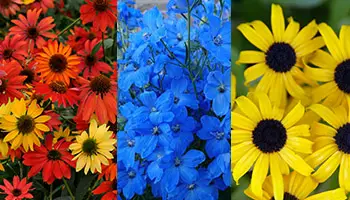
red-orange, blue, and yellow flowers

The University of Wyoming has played host since 2012 to the only All-America Selections (AAS) Display Garden in the state.

Every year AAS provides seeds and plant material to display and to help determine the best varieties for our area. The main garden is just west of Old Main on the Laramie campus. We grow and display flowering annuals and perennials.

All-America Selection is an organization devoted to testing and displaying new varieties of annual and perennial flowering plants and vegetables. According to the association’s website (all-americaselections.org), its mission is “to promote new garden varieties with superior garden performance judged in impartial trials in North America.” The process involves students who do the vast majority of the seed sowing and transplanting at the Laramie Research and Extension Center greenhouse complex. A volunteer professional gardener maintains the areas.

Download a list of a few of the best performers we’ve showcased over the years.

Share the Post:

Related Posts

field containing a thick strip of yellow grass with mostly green grass to the right side

UW-Led Institute Releases Film Highlighting 10 Years of Collaborative Invasive Grass Management

The University of Wyoming’s Institute for Managing Annual Grasses Invading Natural Ecosystems (IMAGINE) has released a short film highlighting a decade of collaborative efforts to manage invasive grasses in northeast Wyoming.

The film, titled “Northeast Wyoming Holds the Line Against Ventenata & Medusahead,” features the Northeast Wyoming Invasive Grass Working Group (NEWIGWG), one of the largest invasive grass working groups in the U.S.

Read More
Four people stand in a field; Jahshua Sanchez is holding a bird.

UW’s WYOBIRD Contributes to Study on Climate Sensitivity Among Tree Swallows

Across the board, tree swallow populations have similar sensitivity to warming amid climate change, but different abilities to respond to change. Breeding dates have advanced about one day per degree of warming, but northern populations face tighter time constraints and greater exposure to warming, according to recent research that included University of Wyoming students and faculty in the Wyoming Bird Initiative for Resilience and Diversity (WYOBIRD).

Read More