



New UW Extension publication examines Wyoming employment changes across 17 years

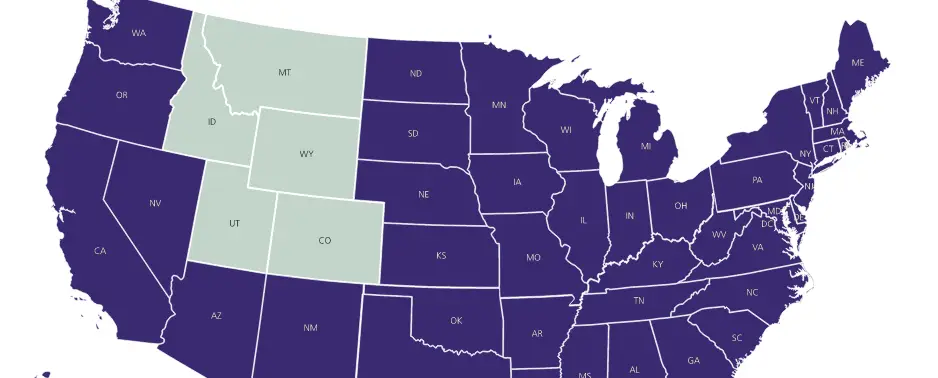
A new publication from the University of Wyoming Extension analyzes the key components of employment change over 17 years for Wyoming, each of its counties and the Rocky Mountain region.

Photograph of man in shirt and tie
Duane Williams

The publication could help create and retain jobs, said Duane Williams, a co-author of the publication and extension community development specialist. David Taylor,  professor emeritus in the Department of Agricultural and  Applied Economics, is also an author.

“Analyzing employment change through time can provide key insights to a location’s economic health,” said Williams. “In this report, we study employment change from 2001 to 2017. The analysis of this 17 years and 16 periods of change will hopefully provide meaningful information for local community development efforts in Wyoming counties.”

Evaluating Key Components of Employment Change 2001–2017 for the Rocky Mountain Region, Wyoming, and its Counties, B-1364, is available in free pdf, HTML or ePub formats at http://bit.ly/wyo-employment-changes.

 

Share the Post:

Related Posts

field containing a thick strip of yellow grass with mostly green grass to the right side

UW-Led Institute Releases Film Highlighting 10 Years of Collaborative Invasive Grass Management

The University of Wyoming’s Institute for Managing Annual Grasses Invading Natural Ecosystems (IMAGINE) has released a short film highlighting a decade of collaborative efforts to manage invasive grasses in northeast Wyoming.

The film, titled “Northeast Wyoming Holds the Line Against Ventenata & Medusahead,” features the Northeast Wyoming Invasive Grass Working Group (NEWIGWG), one of the largest invasive grass working groups in the U.S.

Read More
Four people stand in a field; Jahshua Sanchez is holding a bird.

UW’s WYOBIRD Contributes to Study on Climate Sensitivity Among Tree Swallows

Across the board, tree swallow populations have similar sensitivity to warming amid climate change, but different abilities to respond to change. Breeding dates have advanced about one day per degree of warming, but northern populations face tighter time constraints and greater exposure to warming, according to recent research that included University of Wyoming students and faculty in the Wyoming Bird Initiative for Resilience and Diversity (WYOBIRD).

Read More