




Ag sector may begin seeing coronavirus pandemic effects

Photograph of man in suit and tie
Rural entrepreneurship specialist Cole Ehmke

Coronavirus is taking a bite out of local businesses on Main Street and now the implications for agriculture are beginning to take shape, said the rural entrepreneurship specialist with University of Wyoming Extension.

Those implications include falling commodity prices affecting any farmer who had March contracts for delivering grain, said Cole Ehmke in the Department of Agricultural and Applied Economics at UW.

“And it seems likely there will be a manpower shortage,” said Ehmke. “Custom harvesters for wheat often draw crews from countries such as Australia and South Africa who may not be able to get here. Labor will likely be an issue for producers of fresh vegetables for farmers markets and horticultural products as the spring develops.”

Interrupted logistics could delay needed supplies of fertilizer, chemicals and seed, especially as planting time nears for some spring crops like corn, he said.

“I’d guess that things are okay for the next month with the supplies on hand, but uncertainty is an issue after that,” said Ehmke. “If truckers stay home, then our ability to move products may be an issue. And some technical ingredients come from China.”

The future gets cloudier if the human factor of panic buying is added – which creates an incentive for reasonable people to buy before there is none left.

“While the run on toilet paper was irrational since the usage rate hasn’t changed, it may be more difficult for pesticide applicators to find the needed respirators required for use with some pesticide products,” he said.

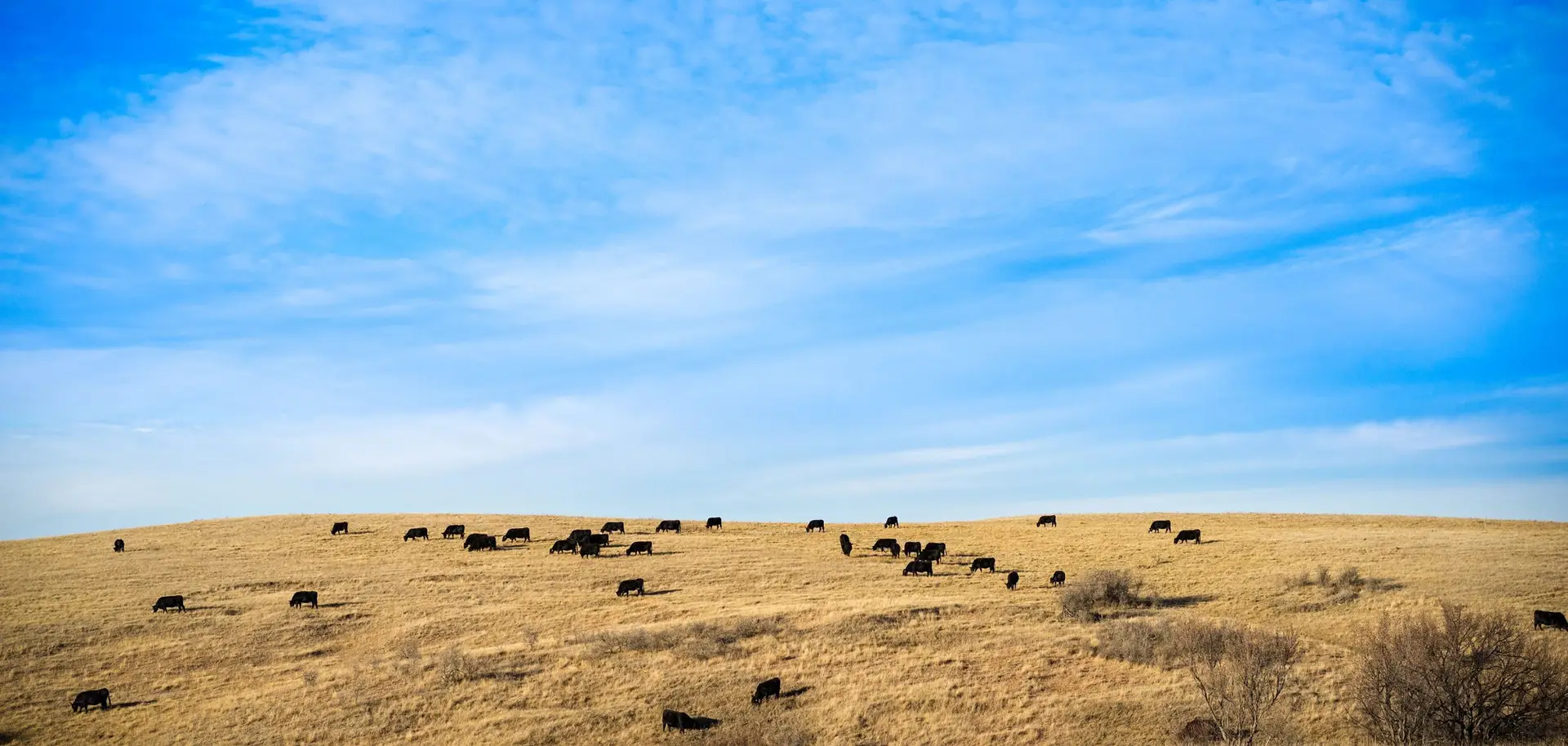
In the animal agriculture sector, illnesses at processing facilities with large workforces could create issues with a backlog of animals on a ranch or in feedlots, and even traditionally social events like spring brandings might have to be reconfigured.

“Many animals are taken to slaughter based on certain size or weight. So there may be processing challenges later on,” Ehmke said. “This will also mean producers will have to make larger investments in feeding and maintaining the health of the animals.”

The situation is the coronavirus is forcing local businesses and government agencies to adjust, “And ag will have to adjust, too,” Ehmke said.
Share the Post:

Related Posts

Artist booth at an Ag & Art Tour event, where a local artist displays watercolor paintings and handmade prints while engaging with a visitor; set outdoors with rural landscape, showcasing the connection between agriculture, creativity, and community.

UW Extension to Host Ag & Art Tour in Natrona County

For those interested in connecting with local artists and agriculturalists, the University of Wyoming Extension will lead a series of free self-guided Ag & Art tours from May through September.
The first Ag & Art event takes place in Natrona County Saturday, May 16, from 10 a.m. to 2 p.m.
“We had a great season last year and are excited to bring this event to five counties this summer, kicking things off [in] Natrona County,” says Hailey Sorg, Wyoming’s Jay Kemmerer Outdoor Recreation, Tourism and Hospitality (WORTH) Institute extension educator.

Read More
Amy Storey, a University of Wyoming third-year master’s student in zoology and physiology, completes a field survey for a collection site in Grand Teton National Park. This included taking habitat measurements about the floral and bee community as well as collecting environmental data, such as wind speed and land use. Storey’s presentation, titled “Parasites and Bumble Bee Decline in Wyoming,” was named the winning entry for a master’s student at the Wyoming Chapter of the Wildlife Society meeting in Sheridan April 8. (Rebecca Armentrout Photo)

UW’s Storey Makes Winning Presentation at Wyoming Chapter of Wildlife Society Meeting

Wild bumble bees are in decline, and various parasites may be a major cause. But there hasn’t been any data on whether Wyoming bees have parasites and to what degree—until now.
Amy Storey, a University of Wyoming third-year master’s student in zoology and physiology, shed light on her research when she took center stage at the recent Wyoming Chapter of the Wildlife Society meeting in Sheridan.

Read More

Help us improve this website!

We’re working to make AgNews easier to use and more useful for you. This quick survey takes about 1–2 minutes.