


The Wyoming Department of Agriculture has recently received notice their plan for regulating industrial hemp has been approved from the United States Department of Agriculture.
Industrial hemp is typically produced for three different categories: seed, fiber, or cannabidiol oil (CBD oil). There are processing facilities in neighboring states for hemp seeds and CBD oil. Fiber is also a potential option; however, at this time processing facilities will need to be identified or created within Wyoming or neighboring states.
Grain or seed markets
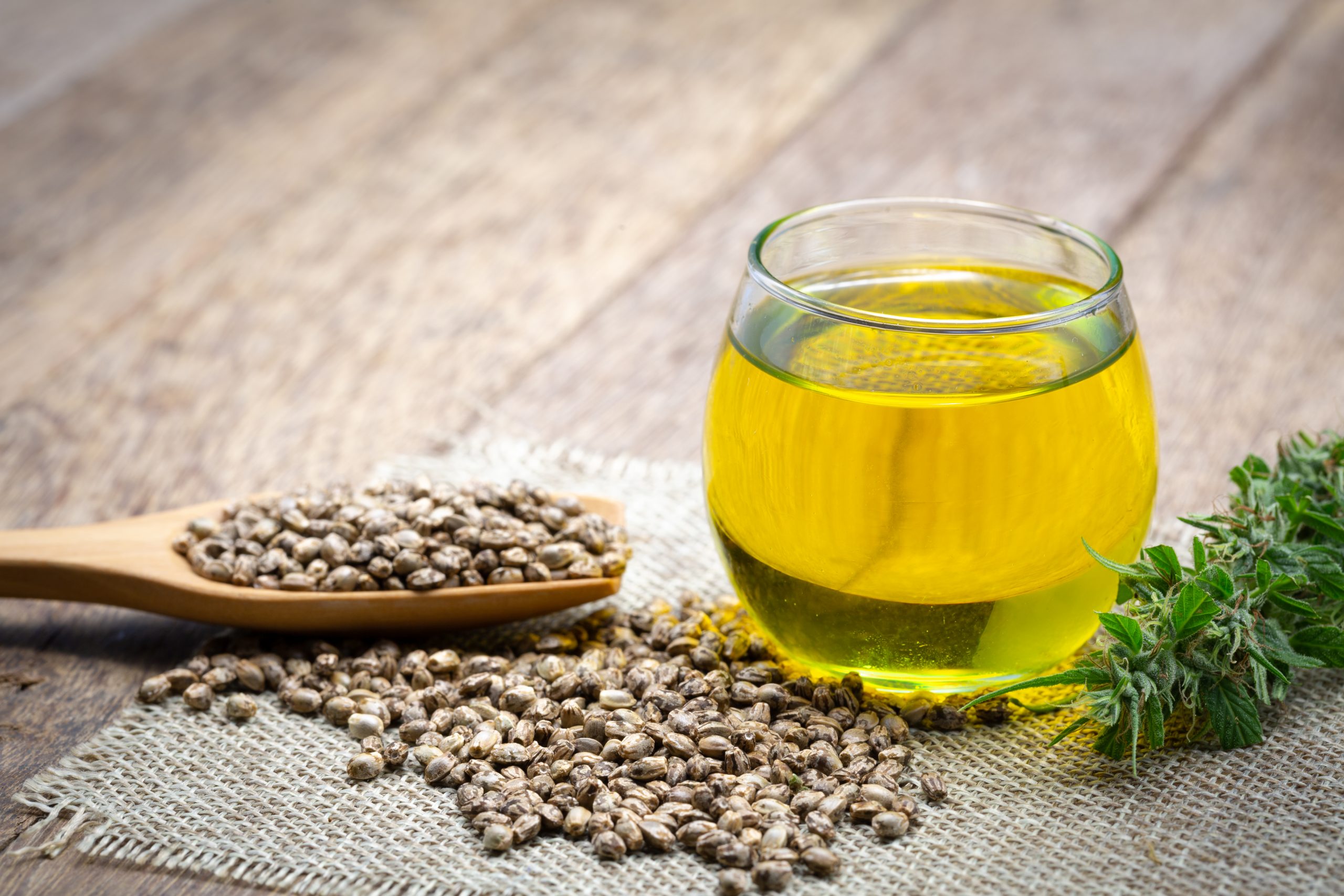
Hemp seed has two markets; grain and seed sources. Hemp seeds are a high source of protein (30 percent crude protein) and omega 3 fatty acids with a current market for this grain for human consumption, such as protein bars, salad toppings and more. There is a potential market for hemp grain to be sold as poultry feed; however, this market is awaiting federal regulation approval.
At this point, the closest grain processor is in Colorado with a potential processor in Powell.
Raising seed sources, such as certified or breeder seed, for other hemp growers is the other potential market for Wyoming. The Wyoming Seed Certification Service just recently adopted new hemp certification standards in preparation for this potential commodity.
Hemp fiber has numerous potential uses and possible markets; however, at this time known fiber processors are not established near Wyoming, restricting the viability of this market.
Seed and fiber production could have a good fit in Wyoming’s crop rotations and current equipment.
These crop commodities are raised from seed and can be planted with traditional grain drills already being used for wheat and barley production. Choose your best production fields that are low in weed pressure and high in fertility that also have well-drained soils, not heavy clay soils that will stay saturated after rains or irrigation.
Hemp production
Hemp seeds should be planted at half an inch to three quarters of an inch deep when soil temperatures are 50 degrees Fahrenheit or more and at a seeding rate between 25 to 35 pounds per acre. Quick germination and thick stands are used to outcompete weeds, since manual labor is pretty much the only option for weed control once the crop is growing.
Industrial hemp is a photoperiod sensitive crop, which means day length controls flowering. Hemp is triggered to flower once the day length shortens, meaning harvest dates are not typically influenced by planting date. Harvest typically occurs at the end of September or early October, approximately 100-120 days after planting. Seeds will mature first at the bottom of the flower and gradually move up to the top.
Rotary combines with draper heads work very well, although conventional combines can also be used. Optimal harvest will occur once three quarters of the head has matured to prevent harvest lost due to shattering. Grain moisture will typically be at 12-20 percent moisture content and will need to be scalped and dried before storing. Scalping is the simple process of passing the grain over an approximately one-quarter inch mesh screen with air being forced up through it. Harvested grain not scalped or dried will spoil in bins.
Fiber is usually harvested two days after grain and at a moisture content of 15 percent or less. Hemp fiber is extremely durable; sharp blades will need to be used for harvest. Typical fiber yields after a grain crop are 1 to 3 tons per acre.
Hemp for CBD oil
Unlike hemp for seed or fiber, CBD oil can be grown from clones or seeds. The highest quality and quantity of CBD oil is being produced in greenhouses by clones, which are transplants created from cuttings off of a parent plant.
CBD oil can also be grown in the field. In field production, plants are planted on grids with plant spacing of 4 feet or greater between plants. The large amount of bare soil between plants can be extremely challenging to control weeds, so plastic mulch and drip irrigation is used to reduce weed pressure directly near the crop. Manual labor is utilized heavily for weed suppression, removing male plants (when planted from seeds), and harvesting the crop. There are CBD processors in Colorado, Utah, and Montana; however, crops need to contain 10 percent CBD oil or more to be considered for processing.
Hemp fiber is another potential crop commodity after processing facilities have been developed, which could take a few years. Producers interested in growing hemp should identify a processor and get a commitment with a processor prior to producing a hemp crop.
Jeremiah Vardiman is a University of Wyoming Extension educator based in Park County. He can be reached at (307) 754-8836 or at jvardima@uwyo.edu.