


Potential economic impact of tunnel collapse nears $89 million

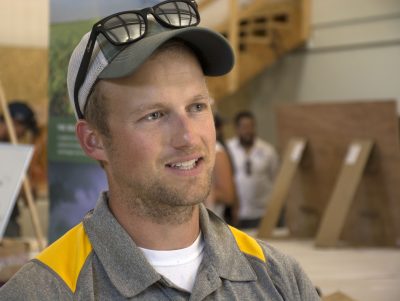
Photograph of man in hat
Research scientist Brian Lee, based at the James C. Hageman Sustainable Agriculture Research and Extension Center near Lingle.

Wyoming and Nebraska could suffer an $89 million economic loss if crops on the 107,000 acres affected by an irrigation tunnel collapse near Fort Laramie are a total loss, according to information from the University of Wyoming and Nebraska Extension services.

Inspection and repairs have continued since the July 17 collapse and resulting breach of the Goshen/Gering-Fort Laramie Canal. The tunnel is a key component connecting water from the North Platte River to a canal system in Wyoming and Nebraska. The tunnel is 2,200-foot long, about 110 feet below ground and about 14 feet in diameter. It is unknown when water will be returned to the canal.

The economic analysis assumes a total loss of corn, dry edible beans and sugar beets in the region and one-third loss of alfalfa production, said Brian Lee and Roger Coupal, agricultural economists with the University of Wyoming.

Production of irrigated crops is critical to Goshen County, Wyo., and Scotts Bluff County, Neb. The farmers mainly produce irrigated alfalfa hay, corn, sugar beets and dry edible beans.

This economic impact model was produced with the best data available given the variability in agriculture, said Lee, based at the James C. Hageman Sustainable Agriculture Research and Extension Center near Lingle.

Other crops grown in this area were not considered due to lack of data, he said. Potential indemnity payments were not included because of the uncertainty of crop losses being covered by crop insurance.

“If farmers are unable to sell these commodities, there will be a negative impact not only on our farmers but also on main streets,” said Jessica Groskopf, Nebraska Extension regional economist. “It is important for our communities to understand the hardships our farmers are facing and realize the loss of these crops will ripple through our economy.”

The complete report is available at https://go.unl.edu/canal.

The affected counties receive less than 16 inches of average annual precipitation. This low precipitation makes surface-water irrigation a critical component of modern agriculture in this area, said Groskopf.
 

Share the Post:

Related Posts

Artist booth at an Ag & Art Tour event, where a local artist displays watercolor paintings and handmade prints while engaging with a visitor; set outdoors with rural landscape, showcasing the connection between agriculture, creativity, and community.

UW Extension to Host Ag & Art Tour in Natrona County

For those interested in connecting with local artists and agriculturalists, the University of Wyoming Extension will lead a series of free self-guided Ag & Art tours from May through September.
The first Ag & Art event takes place in Natrona County Saturday, May 16, from 10 a.m. to 2 p.m.
“We had a great season last year and are excited to bring this event to five counties this summer, kicking things off [in] Natrona County,” says Hailey Sorg, Wyoming’s Jay Kemmerer Outdoor Recreation, Tourism and Hospitality (WORTH) Institute extension educator.

Read More
Amy Storey, a University of Wyoming third-year master’s student in zoology and physiology, completes a field survey for a collection site in Grand Teton National Park. This included taking habitat measurements about the floral and bee community as well as collecting environmental data, such as wind speed and land use. Storey’s presentation, titled “Parasites and Bumble Bee Decline in Wyoming,” was named the winning entry for a master’s student at the Wyoming Chapter of the Wildlife Society meeting in Sheridan April 8. (Rebecca Armentrout Photo)

UW’s Storey Makes Winning Presentation at Wyoming Chapter of Wildlife Society Meeting

Wild bumble bees are in decline, and various parasites may be a major cause. But there hasn’t been any data on whether Wyoming bees have parasites and to what degree—until now.
Amy Storey, a University of Wyoming third-year master’s student in zoology and physiology, shed light on her research when she took center stage at the recent Wyoming Chapter of the Wildlife Society meeting in Sheridan.

Read More

Help us improve this website!

We’re working to make AgNews easier to use and more useful for you. This quick survey takes about 1–2 minutes.