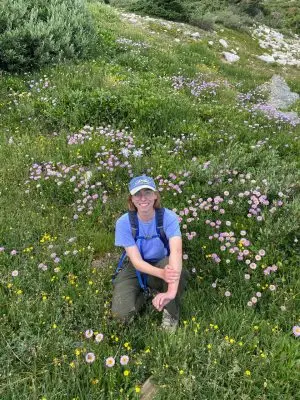
A recent University of Wyoming graduate student has received the 2023 Graduate Student Award for the Great Plains Cooperative Ecosystem Studies Unit (CESU).
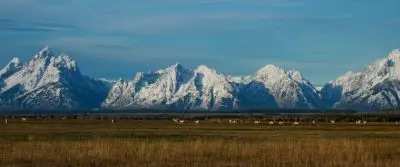
A new wildlife documentary chronicling the large mammal migrations of Grand Teton National Park was released online this week, showing how the park is biologically connected to distant habitats in Idaho and Wyoming.
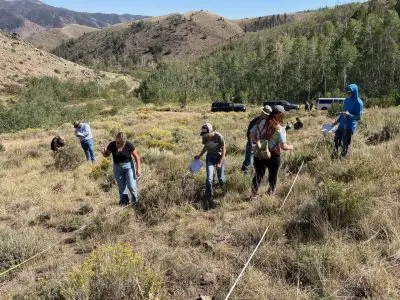
The University of Wyoming’s Rangeland Ecology and Watershed Management (REWM) program is one of 14 accredited rangeland ecology and management undergraduate degree programs in western North America.
When Corey Tarwater was a budding student ornithologist in college, she desired more fieldwork opportunities to learn the hands-on and up-close duties required of the profession.
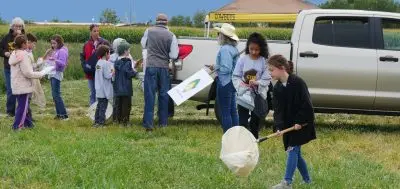
“Even though we’re in one of the top agricultural counties of the whole state, it’s amazing how many kids haven’t dug up a potato, or pet a calf, or even know where potatoes come from,” says Kelly Greenwald, administrative assistant at SAREC and one of the main organizers of the event. “Our desire was to physically get the students out of the classroom and into the field.”
The U.S. Department of Agriculture recently appointed a UW faculty member to the National Advisory Committee on Microbiological Criteria for Foods (NACMCF).
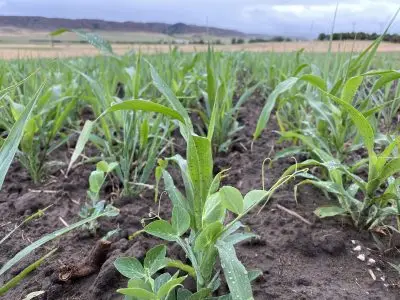
Over the course of the 2020 growing season, Moore experimented with different crop mixes in dryland research plots in Pine Bluffs, Chugwater, and Lingle.
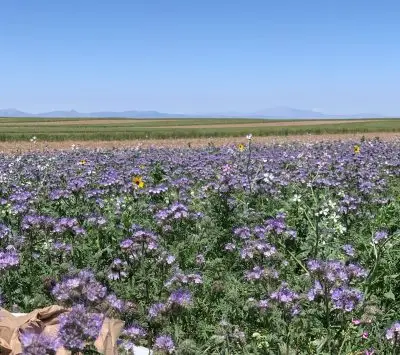
Cover crops and their potential benefits have created widespread interest among producers across the state, yet little data exists to show if diverse cover crops could serve as a successful and profitable renovation tool for hayfields.
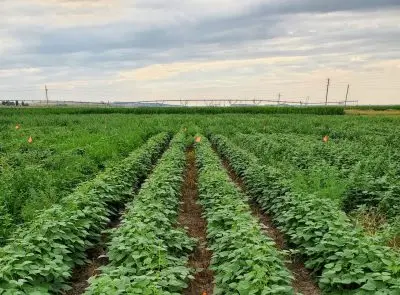
Edible dry bean production in Wyoming typically relies on the use of herbicides to fight pesky weeds. However, cover crops may allow producers to reduce the application of herbicides and ultimately save money.
Iron is one of those things you—and most life forms on the planet—can’t do without. But how does this essential nutrient help your body fight off pathogens like the foodborne parasite Toxoplasma gondii?
When Mary Martin was first offered the position of Teton County home economist in 1975, she arrived with all her possessions in a car, apprehensive about the two years she’d have to spend away from North Dakota, her home state.
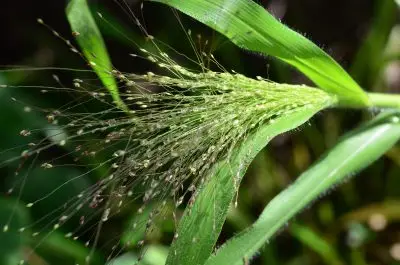
The exceptional rainfall this growing season brought forth an abundance of forage on rangelands and pastures across the state. In some cases, this moisture prompted a flush of growth from annual plant species not commonly seen.
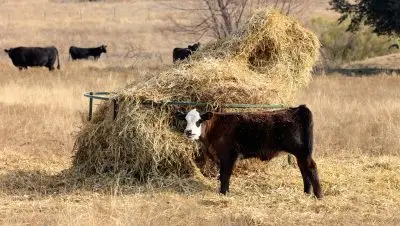
More and more beef producers nationwide are having their hay sampled to analyze its nutrient content as part of their yearly routine. This relatively simple and affordable exercise allows cattlemen an in-depth look at the actual nutrient profile their herd will receive from hay, allowing them to plan supplemental feed programs accordingly.
Jeff Beck, a professor in the University of Wyoming Department of Ecosystem Science and Management, is an editor and co-author of the new open-access book Rangeland Wildlife Ecology and Conservation.