

The University of Wyoming College of Agriculture, Life Sciences and Natural Resources welcomes three new faculty members to the Department of Veterinary Sciences.
With diverse experience in immunology, epidemiology, and wildlife pathology, the new faculty are well positioned to serve the state as animal disease researchers, educators, and diagnosticians.
“We are fortunate to have such dedicated and accomplished faculty join our department and UW,” says Jonathan Fox, department head. “Their combined expertise strengthens our ability to provide critical animal disease diagnostics and research that impacts the people and animals of Wyoming.”
David Pascual
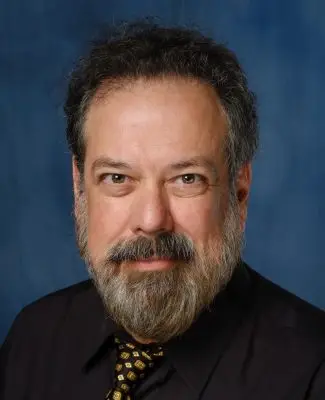
David Pascual, professor of veterinary sciences and Wyoming Excellence Chair in Brucellosis, joined UW in late March; associate professor Raphael Vanderstichel and associate professor María Forzán assumed their new positions last month.
Prior to joining UW, Pascual served as professor of immunology in the University of Florida’s College of Veterinary Medicine. From 2005 to 2012, he worked in Montana State University’s Department of Immunology and Infectious Diseases, where he maintains an affiliate professorship. Pascual was elected to the Fellowship in the American Academy of Microbiology in 2019. His research focuses on brucellosis and developing vaccines for livestock to protect against infection transmitted by wildlife.
Raphael Vanderstichel
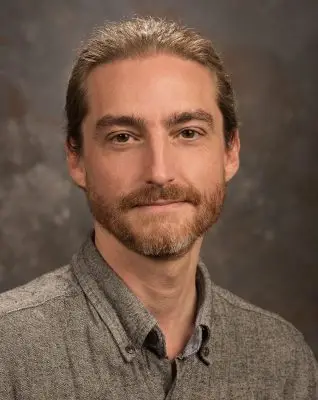
Vanderstichel, a veterinary epidemiologist, is currently wrapping up his position as associate professor of epidemiology and assistant dean of veterinary admissions at Long Island University. In addition to serving as a veterinary surgeon in the United Kingdom, Vanderstichel has studied infectious diseases in multiple aquatic species, including farmed and wild salmon. As a complement to his aquacultural experience, he has also conducted research on parasites hosted by red fox and dairy cattle as well as free-roaming dogs.
María Forzán
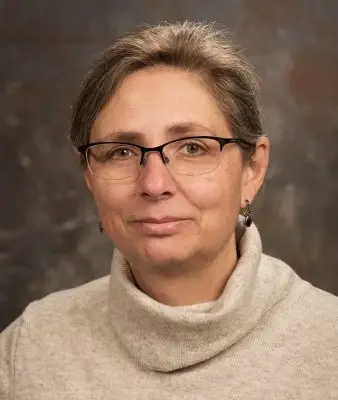
Wildlife pathologist María Forzán, who also previously served as an associate professor at Long Island University, has collaborated with Vanderstichel on various research projects. In particular, she brings extensive experience in the study of amphibious and avian pathogens to UW. Among other positions, Forzán has worked as a pathologist at Cornell University’s Wildlife Health Laboratory and the Canadian Wildlife Health Cooperative, where she gained expertise in diseases affecting free-roaming ruminants and other wildlife species.
To learn more about UW’s veterinary sciences program, visit www.uwyo.edu/vetsci. Contact Fox at jfox7@uwyo.edu with questions.