
Are you looking for a constructive and peaceful way to resolve a conflict? Multiple organizations offer unbiased mediators specially trained to facilitate conversations between disputing parties to guide them toward finding mutually acceptable resolutions. Mediators do not impose solutions; instead, they skillfully and impartially assist in constructive conversations, encouraging the exploration of potential solutions between conflicting parties.
Conflict can be a source of discomfort for many people. However, each party shares its perspective through mediation while listening to the other side. The mediator guides the participants to focus on the underlying issues and identifies workable solutions that address core concerns.
The Wyoming Department of Agriculture (WDA) offers free mediation services through trained experts for those seeking mediation services in the agriculture sector. Whether it is resolving ag credit issues, neighbor-to-neighbor conflicts, farm or ranch transition discussions, USDA adverse decisions, lease issues, USFS grazing permit disputes, organic certification appeals, ag business disputes, or pesticide-related concerns, the WDA mediation program is there to help.
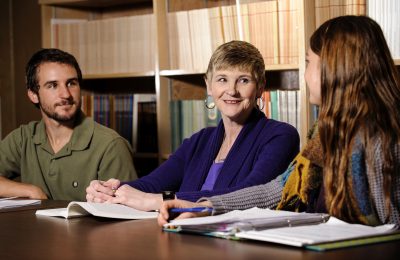 Sometimes, a judge may order mediation before proceeding with a case in a courtroom. Mediation is a powerful tool for resolving even the most complex and challenging disputes, enabling parties to find common ground and reach satisfactory outcomes.
Watch a brief and informative one-minute YouTube video at https://bit.ly/MediationYT to better understand the mediation process and its benefits.
To learn more about the WDA mediation process or request a mediator, visit https://bit.ly/agmedprogram or contact Lucy Pauley at Wyoming’s Department of Agriculture at 307-777-8788.
For those involved in disputes related to educational services for children with disabilities, the Wyoming Department of Education (WDE) offers free mediation services to parents and educators. Contact Reithel Mercer at 307-777-2961 or visit https://bit.ly/resolvedispute.
Melissa Cook is a University of Wyoming Extension community health and vitality educator based in Bighorn County. She can be reached at mcook12@uwyo.ed or (307) 568-4160.