



UW Extension Releases Reduced Sugar and Salt Food Preservation Guide

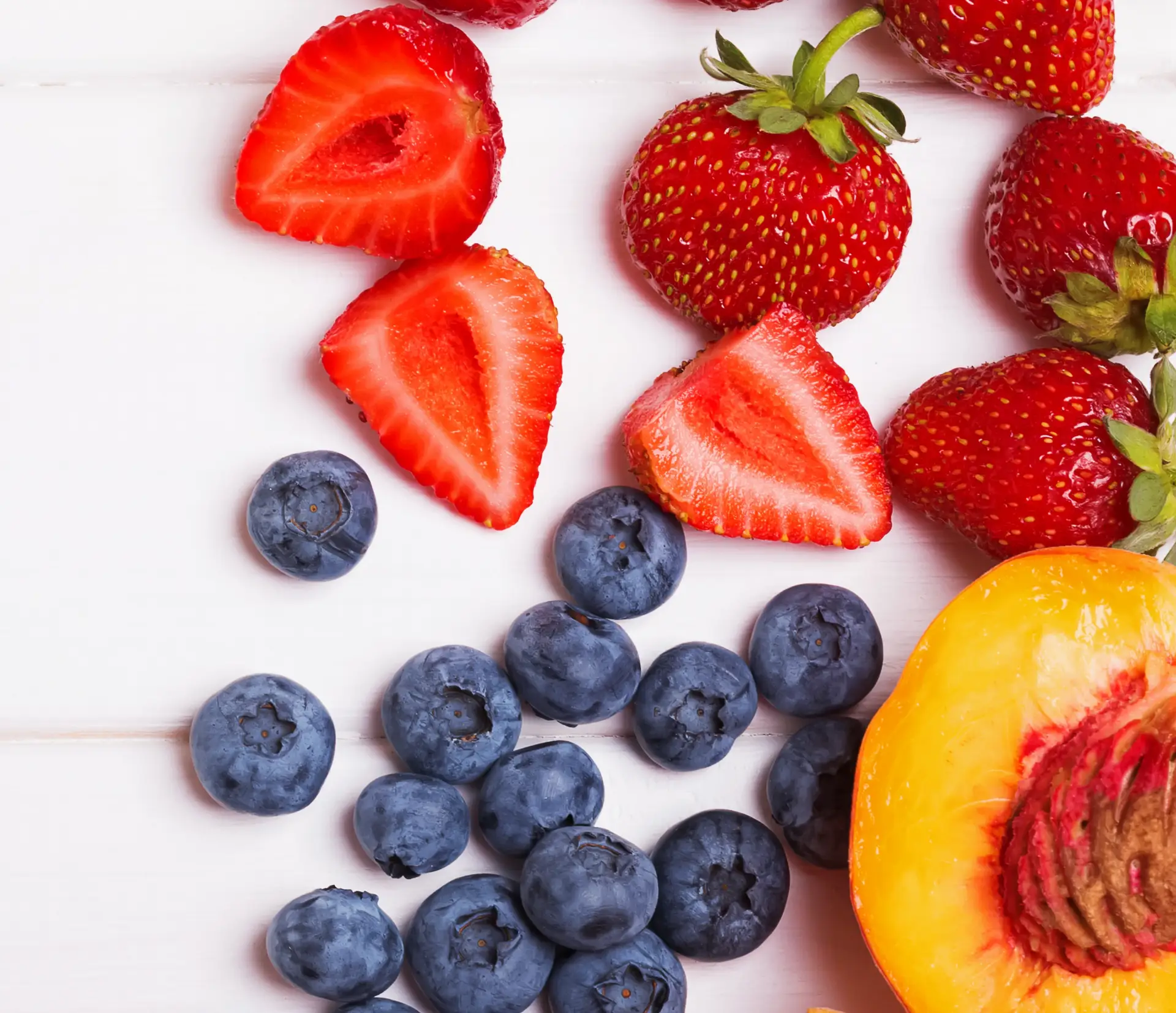
strawberries, blueberries, and a sliced peach scattered on a white background
Blueberries, strawberries and peaches on the white table, top view

The University of Wyoming Extension recently released Food Preservation with Reduced or No Salt or Sugar, a new online publication featuring 40 canning and preserving recipes that can be made with little to no sugar and salt.
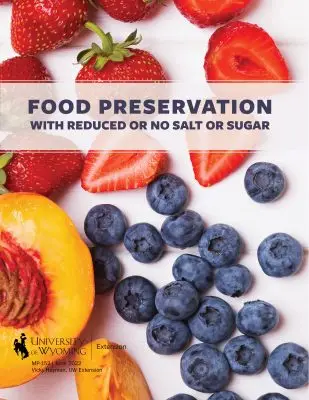
Cover of food preservation recipe collection with strawberries, blueberries, and sliced peach on a white background

Recipes range from reduced sodium dill pickles to low sugar fruit spreads and peach, blackberry and strawberry jellies made with sugar substitutes.

Author Vicki Hayman, the nutrition and food safety coordinator for UW Extension, developed the guide in response to a need. “I thought of what people were asking for,” she says. “I get a lot of questions from people who have diabetes or are watching their salt or sugar intake.”

Recipes were compiled from reputable sources such as the Ball Blue Book Guide to Preserving, Ball Canning Back to Basics and the USDA’s Complete Guide to Home Canning.

Food safety is crucial when canning or preserving, Hayman cautions. Recipes should be followed exactly for best—and safest—results. Safely canning and preserving food using no to little sugar and salt calls requires research-based, tested alternatives, not willy-nilly substitutions.

The new publication strives to fill that gap, offering safe (and tasty) recipes that fit certain dietary preferences and restrictions. “It’s intended to be a resource for people who are looking for something specific,” explains Hayman.

The new publication also includes tips on canning basics, such as how to properly prepare lids, check seals and remove air bubbles.

Recipes include altitude adjustments—an important consideration for all Wyoming cooks.

Visit bit.ly/low-sugar-preservation for a free downloadable copy of the guide. More information on food preservation and canning can be found at bit.ly/NFS-Food-Preservation.
Share the Post:

Related Posts

Amy Storey, a University of Wyoming third-year master’s student in zoology and physiology, completes a field survey for a collection site in Grand Teton National Park. This included taking habitat measurements about the floral and bee community as well as collecting environmental data, such as wind speed and land use. Storey’s presentation, titled “Parasites and Bumble Bee Decline in Wyoming,” was named the winning entry for a master’s student at the Wyoming Chapter of the Wildlife Society meeting in Sheridan April 8. (Rebecca Armentrout Photo)

UW’s Storey Makes Winning Presentation at Wyoming Chapter of Wildlife Society Meeting

Wild bumble bees are in decline, and various parasites may be a major cause. But there hasn’t been any data on whether Wyoming bees have parasites and to what degree—until now.
Amy Storey, a University of Wyoming third-year master’s student in zoology and physiology, shed light on her research when she took center stage at the recent Wyoming Chapter of the Wildlife Society meeting in Sheridan.

Read More
Collin Porter

Four UW Students Receive NSF Graduate Research Fellowships

Four University of Wyoming graduate students have been awarded prestigious National Science Foundation (NSF) Graduate Research Fellowships.
Alex Kurtt, Collin Porter, and Lena Wigger, all graduate students in the UW Department of Zoology and Physiology, and Josephine Walton, a UW master’s student in molecular biology, will each receive one of the nation’s most highly competitive awards for graduate studies. The fellowships are awarded to graduate students who are pursuing research-based degrees in science, technology, engineering, and mathematics (STEM).

Read More

Help us improve this website!

We’re working to make AgNews easier to use and more useful for you. This quick survey takes about 1–2 minutes.