


UW laboratory’s tardigrade research featured online

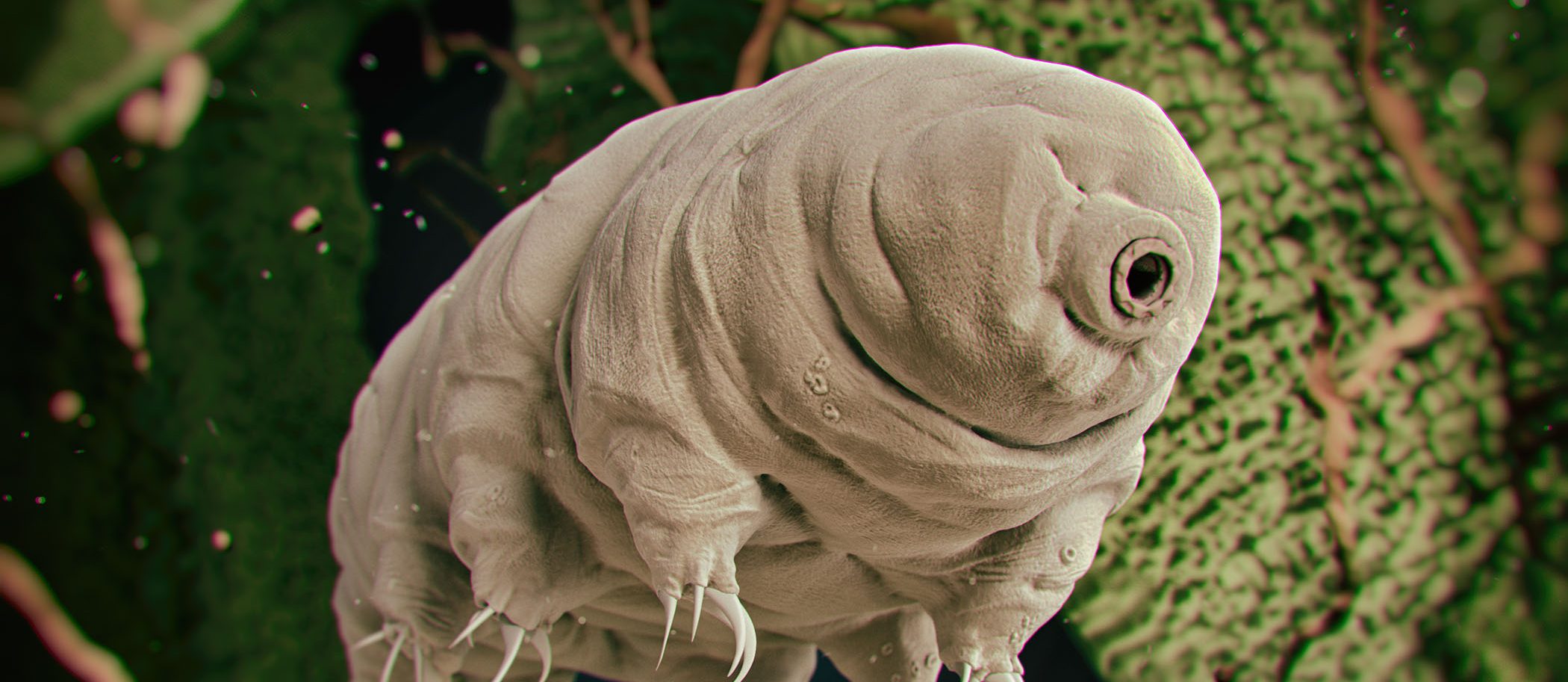
Ilustration of a tardigrade
An illustration of a tardigrade, also known as a “water bear.” (3Dstock, shutterstock.com)
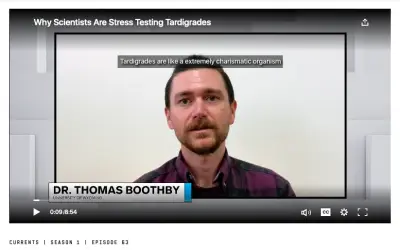
Man featured in video photograph
Associate professor Thomas Boothby talks about his tardigrade research and collaboration with other scientists.

A University of Wyoming molecular biologist’s tardigrade research is being featured in a video story by WIRED.

Thomas Boothby and his research team in the College of Agriculture and Natural Resources study tardigrades to see how the creatures can withstand the stresses of space, extreme heat, dryness, radiation and extreme cold, among other hostile environments.

They hope to be able to use the findings, for example, to stabilize human blood in a dry state or store   vaccines like the COVID-19 Pfizer vaccine in a dry state compared to its current negative 80 degree requirement. The findings could also help make crops more drought resistant.

The video and story is at https://www.wired.com/video/watch/wired-news-and-science-tardigrades.
 

Share the Post:

Related Posts

4-H youth display projects and engage visitors at booths during a busy indoor community event.

Laramie County 4-H Program Contributes to Celebration of Month of the Military Child

April marked the Month of the Military Child, a month where military youth are recognized for their courage, sacrifices, and service to their communities, country, and their world. While navigating childhood and pre-adolescence can be challenging for all youth, military youth face additional challenges as their families serve. must they be recognized for their resilience and service. The University of Wyoming Extension recognizes and appreciates how much these youth do for their communities.

Read More

Help us improve this website!

We’re working to make AgNews easier to use and more useful for you. This quick survey takes about 1–2 minutes.