


Wyoming food network proponents will meet tomorrow, Thursday, via teleconference taking the second step toward creating infrastructure they say could put local food on kitchen tables, money in producer pockets and pump revenue through Wyoming economies.
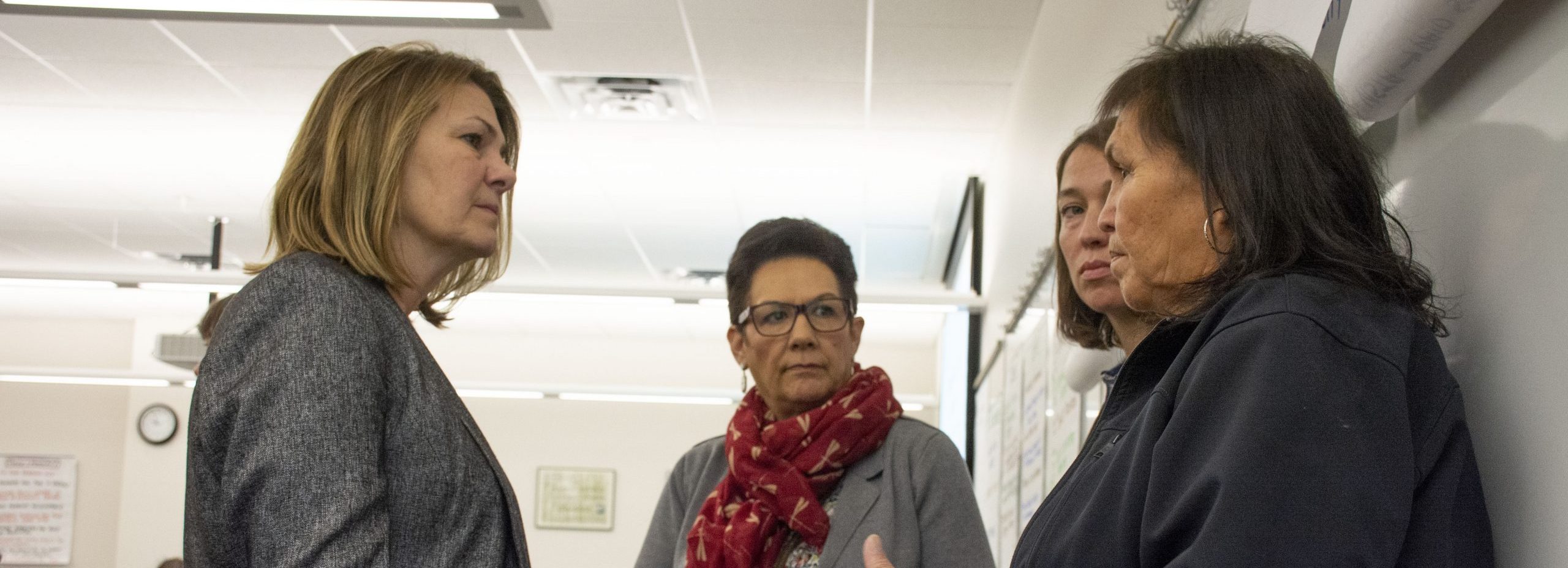
The move springs from the Wyoming Food Coalition Conference last month in Casper when more than 80 people crafted ways a network could provide local, nutritious food to consumers, including those most in need of good food – and increase awareness of those efforts.
Those meeting Thursday are tasked to develop documents and group structure. Its members have an 18-month timeline to weave a loose knit group into a more permanent council.
“That group is the critical lynchpin for the sustainability of the (larger) group,” said Brad Tyndall, president of Central Wyoming College in Fremont County and local food proponent who attended the conference.
The Casper conference was organized through the efforts of Tim McAteer, a member of AmeriCorps’ VISTA program (Volunteer in Service to America). McAteer is housed within the University of Wyoming Extension and is facilitating the Thursday teleconference.
Those attending the Casper conference represented food organizations, producers and others interested in the effort.
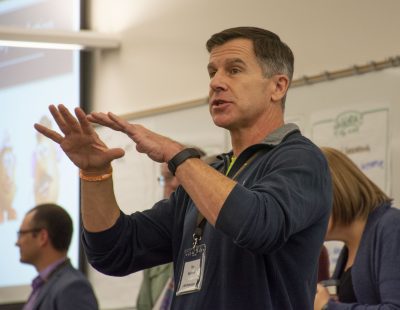
“The demand is there,” said Adam Bunker of Sheridan’s Papa Joe’s Produce and a conference attendee. “Customers are willing to pay for quality fruits and vegetables. It’s a matter of finding ways to better connect producers and consumers.”
Conference attendees formed several groups charged with meeting respective goals.
Bunker is the contact person for the “Vibrant Farms, Local Economies” group. He believes the lack of resources – people – derailed past efforts.
“Producers get together, talk about the challenges but most of us have day jobs,” he said. “We grow things. One of the things missing has been a team that can be committed to advancing the ball between meetings.”
Cassie Murphy is with the Wyoming Food for Thought Project in Casper and a member of the coalition’s strategic communications group. She said hurdles could be managed by sharing resources, efforts, and trial-and-error through collaboration.
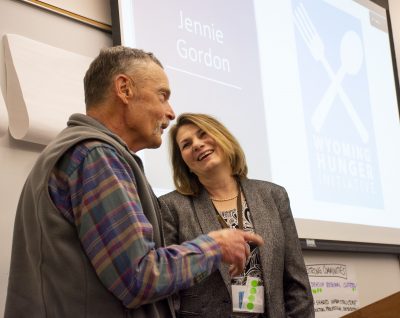
“Wyoming residents are already working hard in local foods but are unaware of others’ efforts,” she said.
Bunker has seen the challenges small businesses face as a member of the Sheridan County Chamber of Commerce Board.
Regarding local foods, “What has stood out for me so far, for small and medium producers, is we really need a more collective voice,” he said. “A combined power, if you will.”
Companies offering large food contracts want reliable quantity and quality, he said. Quality is not a problem but small and niche producers consistently offering the amounts of food needed is difficult. Smaller producers could team to contract and sell together, said Bunker.
Tyndall volunteered for the coalition’s “Policy” group. Its goals include expanding partnerships and approaching key legislators to sponsor a study with eventual recommendations to the Legislature.
Many Fremont County residents attended the Casper meeting. Tyndall said local food groups are big in his, Hot Springs and Teton counties.
Riverton recently opened an idled restaurant at the local airport to include a commercial

kitchen, and meat processing facilities are also planned in the area. There is also interest in an egg grading station.
Tyndall, who specializes in environmental economics and international finance, cited data that show there are more new farmers than those leaving farming, and said the niche and small farm owners want to be enmeshed with communities that have local foods, brew pubs, café experiences, craft beer and wine amenities.
“I think of Lander and Sheridan, with main streets where people will stop and stay,” he said. “Those who are establishing small farms want to be in those types of communities. The craft food thing is happening, and we need to be at the front curve.”
Food is not taxed in Wyoming, but local spending by vendors and producers would circulate revenues through local economies, said Bunker.
He conducted an informal study that indicated more than $6 million is spent on fruits and vegetables in Sheridan County.
“That is money right now that is pretty much leaving the state,” he said. “If it stayed with us, (producers would) go to my local main street and spend that money there. I think that comes back to why it’s important. It’s really about driving the economy.”