



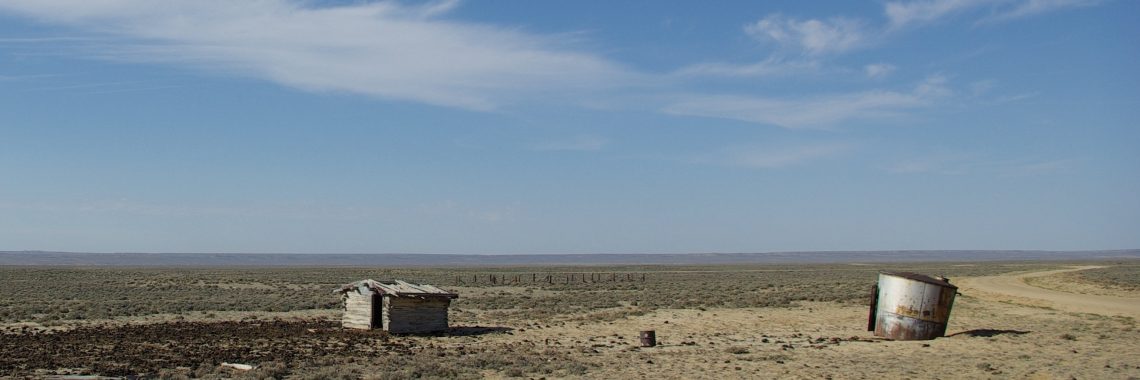
Nearly every conversation I have had lately with anyone from long-time Johnson County ranchers to new-to-the-area home gardeners has eventually found its way to the unusually dry and warm winter we have experienced so far.
More than just small talk, I’ve heard real concerns about the upcoming grazing and growing seasons: What will forage look like if it stays as dry now through May as it has been November to now? How will livestock water quality be impacted if the reservoirs are lower than usual? How can we cut back on water use around the home and yard?
I am far from having all the answers (who really can when it comes to weather?) and there’s more to each of these questions than can be adequately addressed in a single article. For more details and information, refer to the University of Wyoming Extension resources that are included in each of the following sections.
Climatology data for the state indicate that the wettest months on average are May and June, respectively. I’m holding out hope until then.
Production agriculture interests
Seasoned ranchers are used to the boom-and-bust nature of Wyoming’s drought cycle. However, it never hurts to review trigger dates, dust off the drought management plan, and keep an eye on stock water quality.
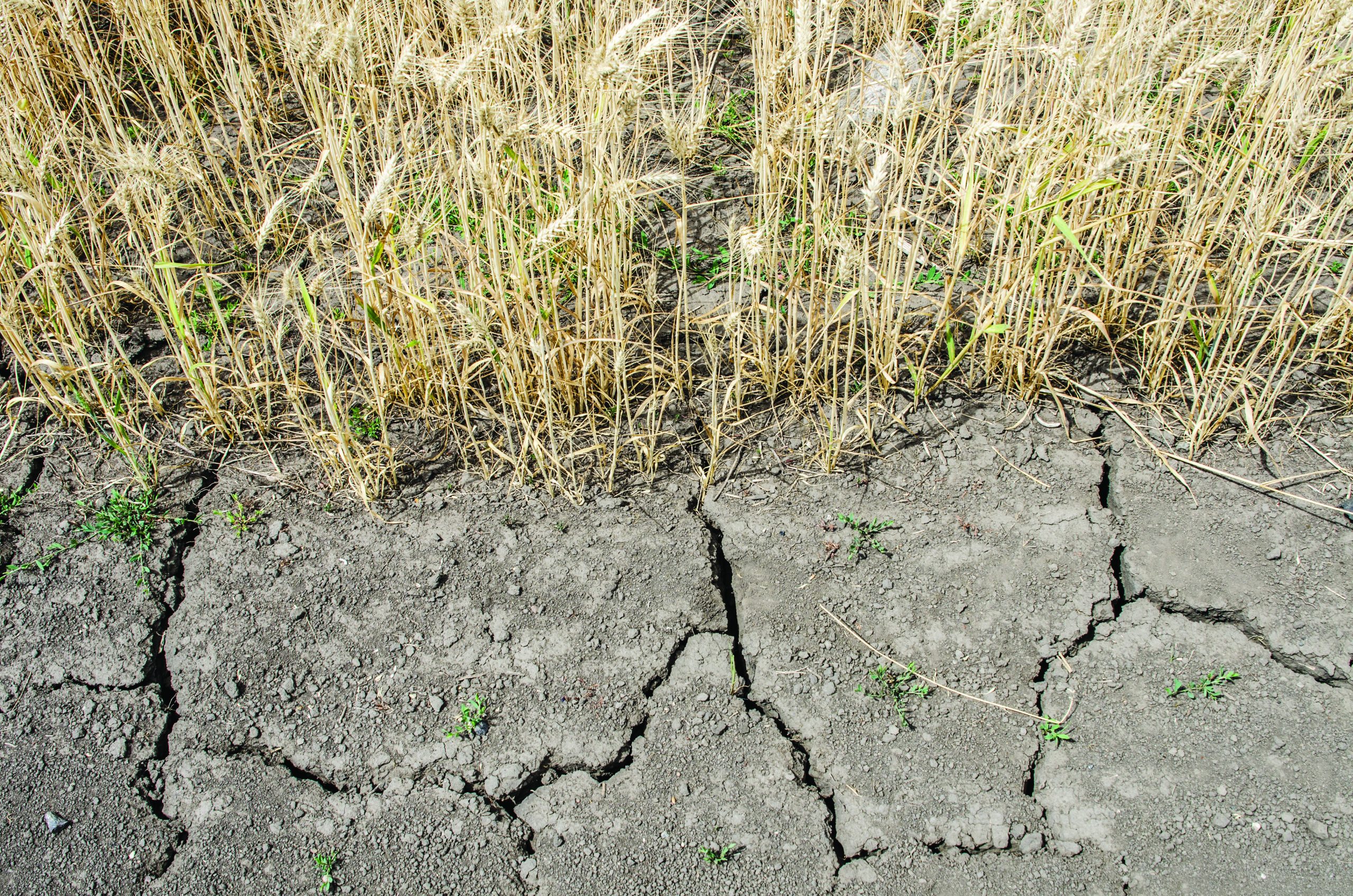
Rangelands in Johnson County are dominated by cool-season grass species that reach their peak production in late spring or early summer depending on the year. Trigger dates are aligned with the growth stages of these cool-season grasses and can be thought of as subjective thresholds by when management decisions should be made. An abbreviated schedule is included below.
April 1: Review how the current year compares to previous records of dormant season precipitation. Dig a few postholes to evaluate soil moisture profile. In cases of extreme drought, pencil a 10–20% reduction in stocking rate.
April 15 – May 1: During this period, mid-range weather forecasts that reach the end of the cool-season grass growth window increase in reliability and accuracy. Use temperature and precipitation predictions to anticipate forage production of native range. Temperature predictions skewing warmer indicate an earlier peak in forage production. Precipitation predictions skewing lower indicate a reduced quantity of available forage. Adjust stocking rates accordingly.
Mid-May to early June: At this point, cool-season grasses are at or past peak production. If the precipitation total from March to May is 50–75% of an average year, consider stocking rate reductions of 30–40% or more in response to the condition of available forage resources.
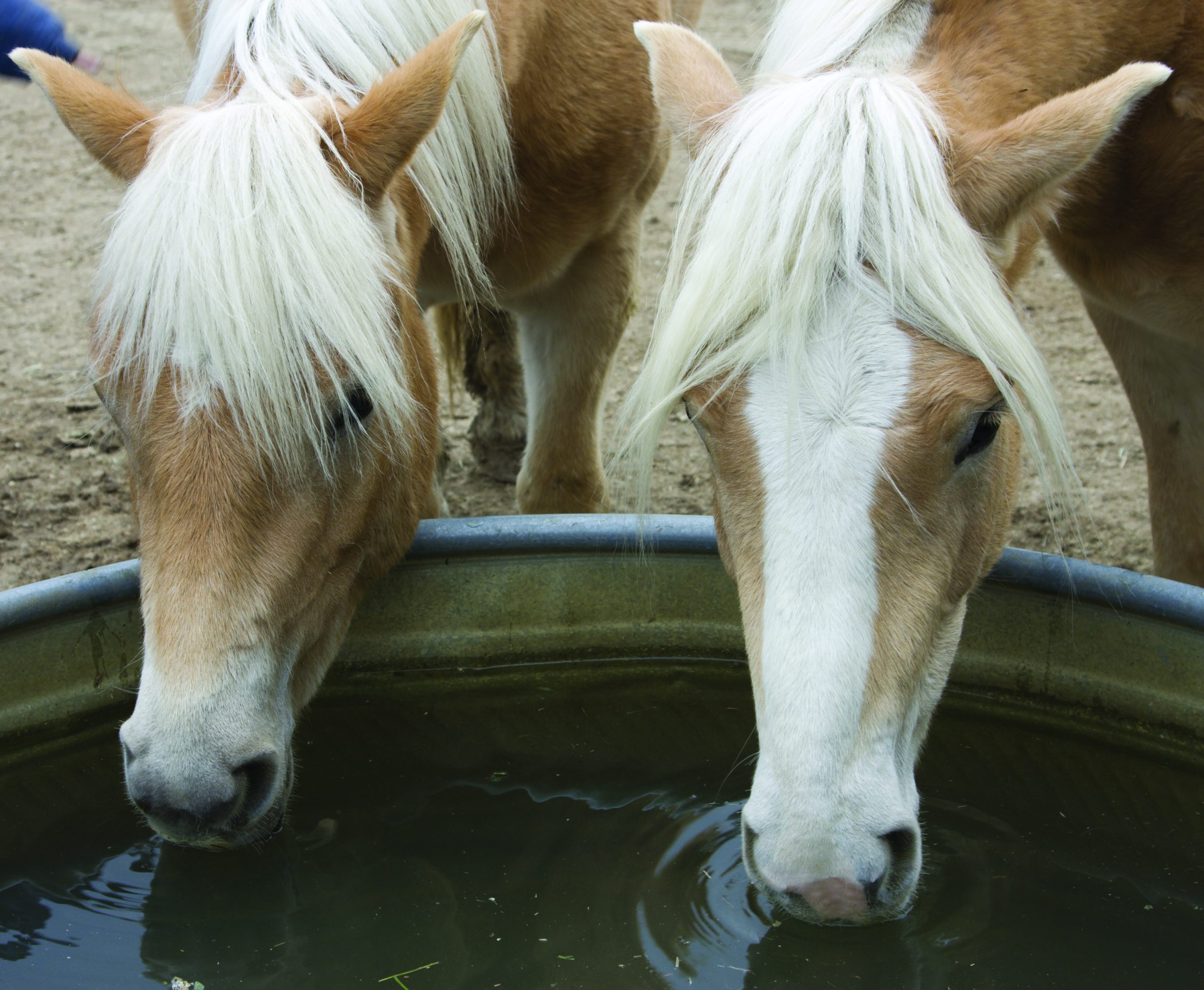
In addition to sufficient feed resources, liquid water resources are critical to livestock health and productivity. I know many producers have been supplementing water through most of the winter, especially those who rely on livestock reservoirs.
As water levels drop, nitrates, sulfates, and other salts dissolved in the water can become concentrated to the point of reaching toxicity thresholds. Early indicators of water toxicity issues include poor hair and hide condition. Neurological signs like circling, stumbling, or head pressing indicate extreme toxicity issues.
If you suspect water-quality issues in a reservoir this summer, a livestock water suitability test is recommended to determine levels of dissolved substances and to help make an informed management plan.
Resources for ag producers:
1) Navigating Drought in Wyoming: https://bit.ly/B-1325
2) Skillful Grazing Management on Semiarid Rangelands: https://bit.ly/EC-162
3) Water Quality for Wyoming Livestock and Wildlife: https://bit.ly/B-1183.
Hard copies of these publications are available at the Johnson County extension office.
Yard and garden interests
Residential properties also suffer negative effects of drought—often accompanied by a spike in the water bill from trying to keep green spaces alive. A couple of easy changes can improve a landscape’s drought resilience.
Adopt a watering schedule that prioritizes deep and infrequent watering over shallow and daily watering. Shallow watering keeps turf roots in the top layer of the soil, which dries out quickly. Roots will follow water down into the soil profile and can be trained to grow deeper when enough water is applied to wet the soil 8–10 inches below the surface. This training can be as easy as shifting from watering 15 minutes every day to watering for 30 minutes on Mondays, Wednesdays, and Fridays.
Less evaporative loss occurs when water is applied during the early morning or late evening hours, when direct sun exposure and wind gusts are typically minimal and air temperatures are lower. Drip tape and soaker hoses are better alternatives to overhead sprinkles. If you don’t have one already, irrigation timers are a good investment and make water conservation practices much more user-friendly.
If considering the installation of a new garden landscape bed, include “water-wise” and drought-tolerant species in your design. Many beautiful perennial plants native to our area are already adapted to thrive in our harsh, High Plains conditions. Check out a full list in the UW Extension bulletin Landscaping: Water-Wise Wyoming Gardens at https://bit.ly/wy-water-wise. Hard copies of this bulletin are available at the Johnson County extension office.
If dry conditions persist to emergency levels, it is recommended to prioritize the survival of established trees and shrubs in the landscape—turf lawns will go dormant to survive and are easier to replace than a mature tree canopy. Water each tree around the dripline (under the farthest tips of the branches) and plan 10 gallons of water per inch of trunk diameter. For example, if a mid-size bur oak has a trunk diameter of 6 inches, it should receive 60 gallons of water. Repeat weekly during the growing season when the tree has leaves and monthly when the tree is dormant.
Get involved with local precipitation reporting
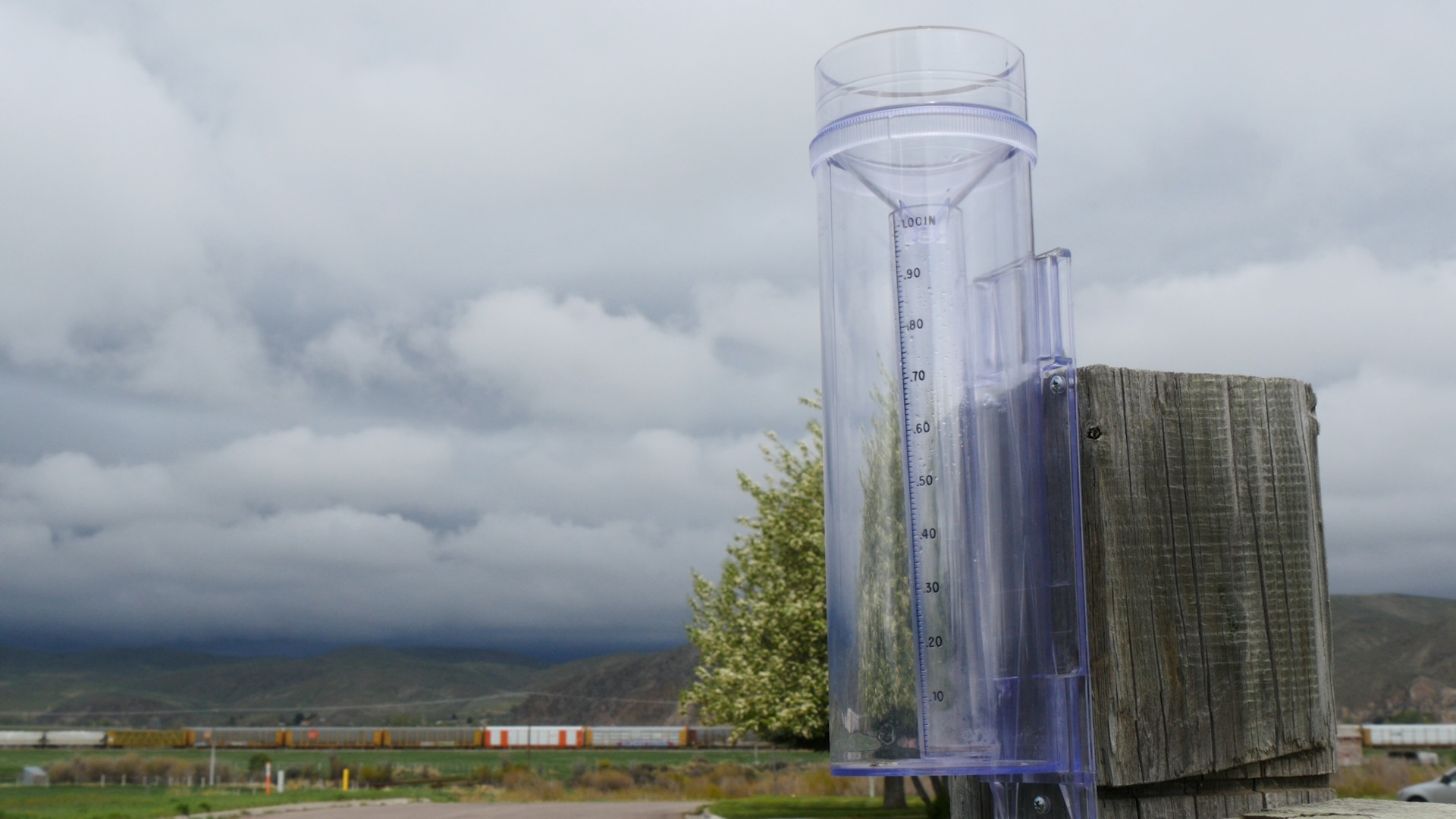
If you feel that your geographic location is not well represented on the weather maps or the U.S. Drought Monitor, consider becoming a volunteer reporter for the Collaborative Community Rain, Hail, and Snow (CoCoRaHS) Network.
Volunteer data from across the state are integrated into the larger dataset that informs the weekly update of the drought monitor. Contributing to local data collection is also an easy way to track and recall digital records of local precipitation. This makes it easy to compare precipitation amounts from year to year for your precise location. Reports of zero precipitation are just as valuable as measurable amounts.
Volunteers need a four-inch standard rain gauge, a free online account, and a willingness to commit a little time each day to the task. The Johnson County extension office team reports daily from Station Number WY-JN-31 and it takes less than 5 minutes to submit an observation. To learn more, visit www.cocorahs.org.
Micah Most is the University of Wyoming Extension agriculture and natural resources educator serving Johnson County. He can be reached at mmost@uwyo.edu or (307) 684-7522.