
Water, weather, wildfire—the list goes on. For Wyoming residents, especially those involved in agriculture, these environmental factors directly impact lives and livelihoods.
Extreme weather events, including drought, have always been a challenge in Wyoming’s notoriously harsh climate. Today, these challenges have grown even more pronounced. In Wyoming and regionally, the frequency and severity of extreme weather events have increased relative to historical averages, as have temperatures.
As producers across the state face increased risk of severe drought, water shortages, and related issues, how can staff at land management agencies, conservation districts, county extension offices, and other local organizations help them plan ahead?
To find out, UW Extension invited representatives from these organizations to participate in focus groups as part of a statewide needs assessment.
From June 2023 to May 2024, UW Extension conducted six focus group sessions facilitated by county extension educators across the state.
These sessions brought together agricultural technical service providers (TSPs) who regularly engage with Wyoming residents on topics related to weather, climate, or water availability. While participants came from a variety of backgrounds and represented different areas of the state, they all interacted professionally with Wyoming’s agricultural community.
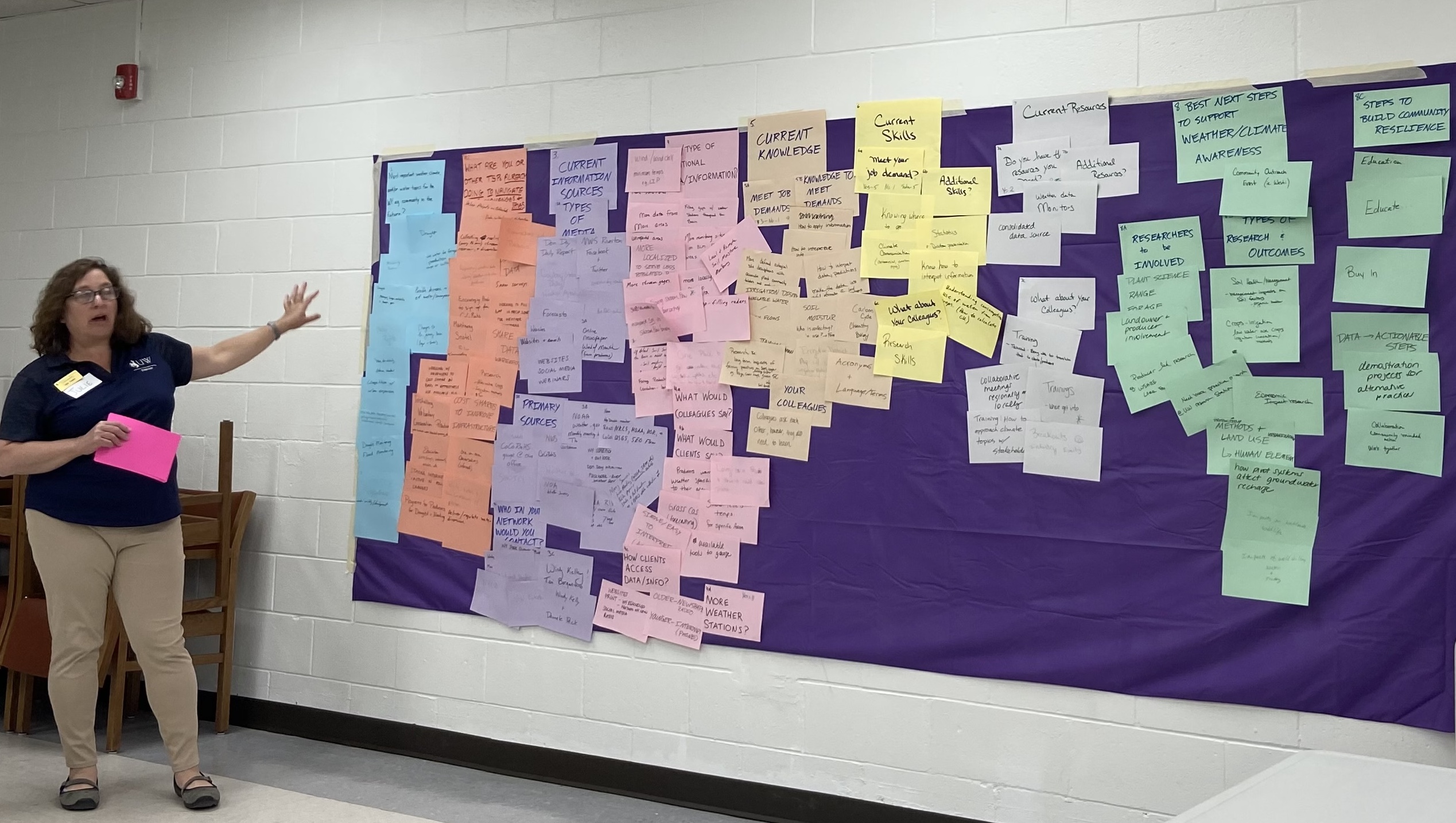
Participating TSPs included staff from conservation districts; state and federal land management agencies; the USDA’s Farm Service Agency (FSA) and Natural Resources Conservation Service (NRCS); nonprofits; private consulting firms; a community college; and a tribal organization.
“One interesting thing about running focus groups of the technical service provider community in Wyoming is that many of our focus group participants also had a ranch or farm operation,” says Kristi Hansen, UW Extension water resource economics specialist. “They were in the room because they worked for a state, local, or federal agency but they also spoke with great knowledge about conditions on the ground because they are living with those conditions as producers themselves. [That] seems like a huge strength that might not happen everywhere.”
The needs assessment is part of a larger four-year project led by Hansen and former UW Extension specialist Windy Kelley. Funded by the USDA’s National Institute of Food and Agriculture (NIFA), the initiative brings together local TSPs, social scientists, extension educators, ag economists, and climate and weather variability specialists. Ultimately, the goal is to connect TSPs and producers with relevant resources, tools, and educational programming to help them prepare for and respond to extreme weather events and changing water availability.
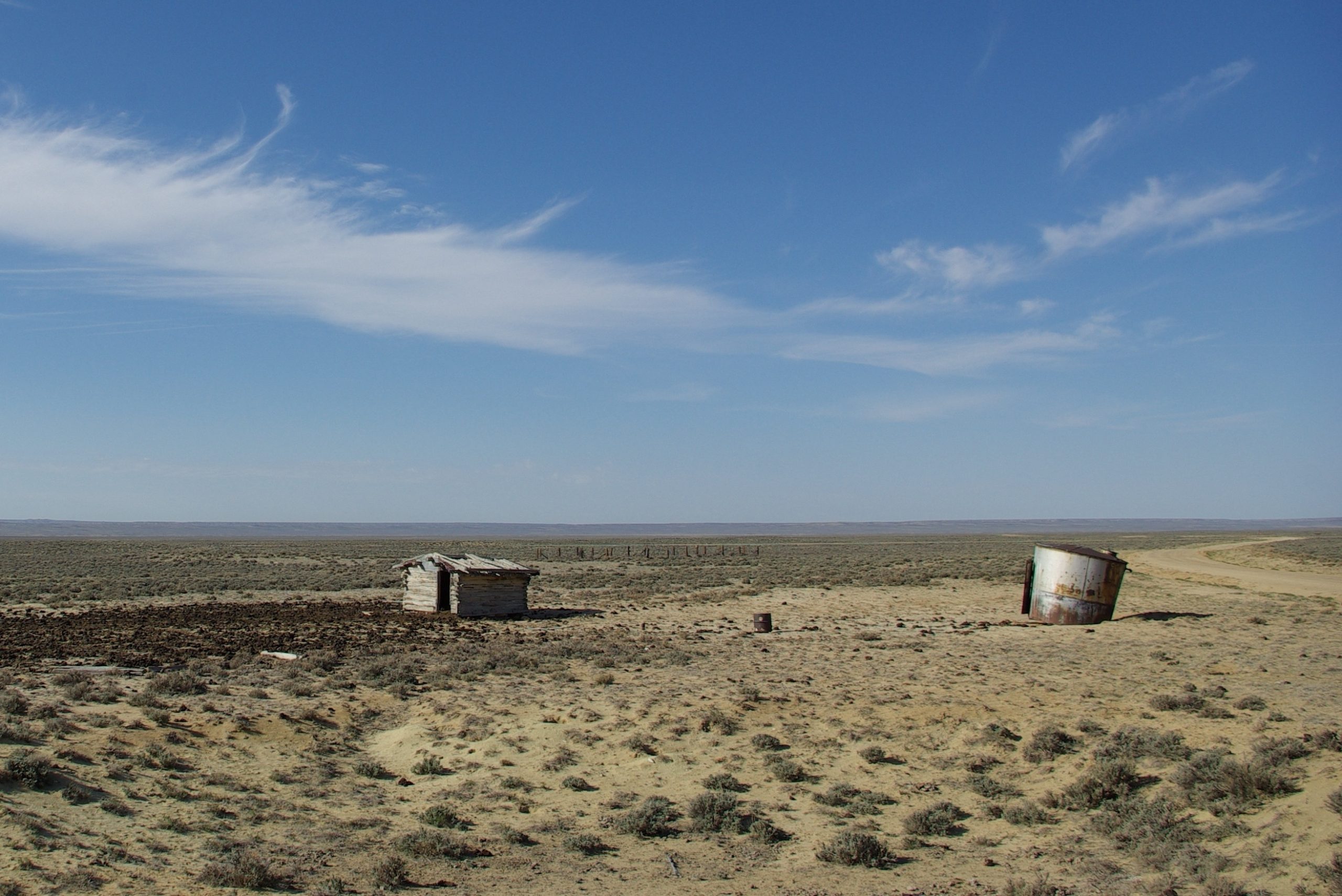
When asked what weather, climate, and water topics would be most important to their clients in the future, all focus groups identified drought as the number one issue. Many participants specifically voiced concerns about the impacts of drought on rangelands and forage supply.
TSPs also brought up future challenges related to water availability, water storage, and competition for water between different sectors of the economy. Related concerns included changes in rainfall, snowpack, growing seasons, length and severity of winters, wildfire risk, and flooding.
“More than ever before, agricultural producers and their local TSPs need timely, science-based, and region-specific information and technologies to enable them to make informed decisions,” the researchers observe.
Unfortunately, many existing resources don’t translate well to Wyoming conditions and crops. Focus group participants emphasized the need for locally relevant, accessible information on weather variability and water availability.
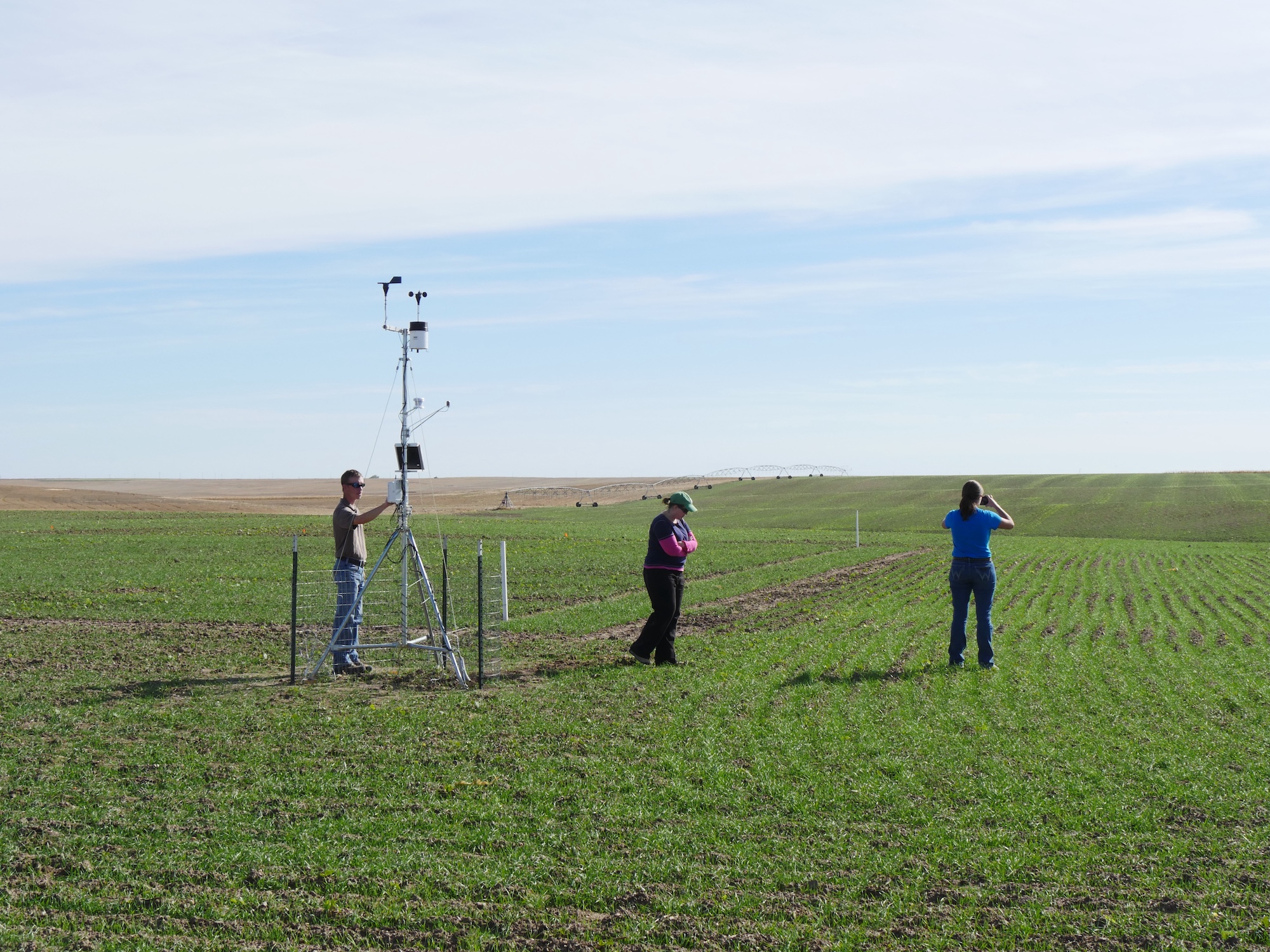
Every focus group called for the establishment of additional weather stations across the state. The existing network doesn’t provide the location-specific precision their clients need, the TSPs reported. Precipitation, soil moisture, and other key factors vary widely across the state and access to location-specific data is critical.
The TSPs also highlighted a need for better forecasting, especially in “medium-term” time horizons. “The weather report tells us how things are going to be in the next five to ten days, and we have long-term projections of changes in trends or variability, but many of these technical service providers were really interested in better forecasting in the medium term, three to six months out,” Hansen comments.
Improved forecasts could help producers make more informed decisions about crop selection, grazing management, and irrigation practices for the coming season.
Participants across all focus groups recommended the creation of an accessible “one-stop shop” housing resources related to weather and climate variability. Participants also emphasized the need for user-friendly tools to help translate data into actionable information.
These resources would potentially benefit both producers and TSPs. A software app that calculated windchill, for example, could be useful in helping FSA employees determine a producer’s eligibility for weather-related federal insurance programs.
In some cases, TSPs noted, tools are already available but may not be easy to find, use, and apply to specific local scenarios.
The general consensus was, “There’s a lot of information out there. It’s hard to know what is most valuable and useful for your particular purpose,” says Hansen. A data hub integrating existing resources and new, user-friendly tools could help ease these difficulties.
Across focus groups, participants were interested in learning more about weather and climate variability. Many TSPs concluded that peer-to-peer networking could help them build knowledge and better serve their clients.
The focus groups themselves gave TSPs a chance to learn from one another and identify overlaps—and gaps—in the knowledge and services they bring to clients. “All of the focus groups recognized the need to improve cooperation and build relationships both within the TSP community but then also with landowners, with producers,” Hansen notes.
She hopes the needs assessment will inspire more peer-to-peer learning among TSPs. As participants themselves pointed out, sharing knowledge and identifying ways to develop complementary programming could help everyone better serve their communities.
Overall, Hansen was “really impressed by the depth of knowledge and thoughtfulness on the part of the focus group participants. Helping the agricultural community and working together across agencies to help them was definitely important to them.”
On a farm or ranch, tools like better precipitation forecasts and a more robust weather station network have direct economic impacts.