

Wyoming landowners, farmers and ranchers are encouraged to attend upcoming public meetings on critical aging irrigation infrastructure in their communities.
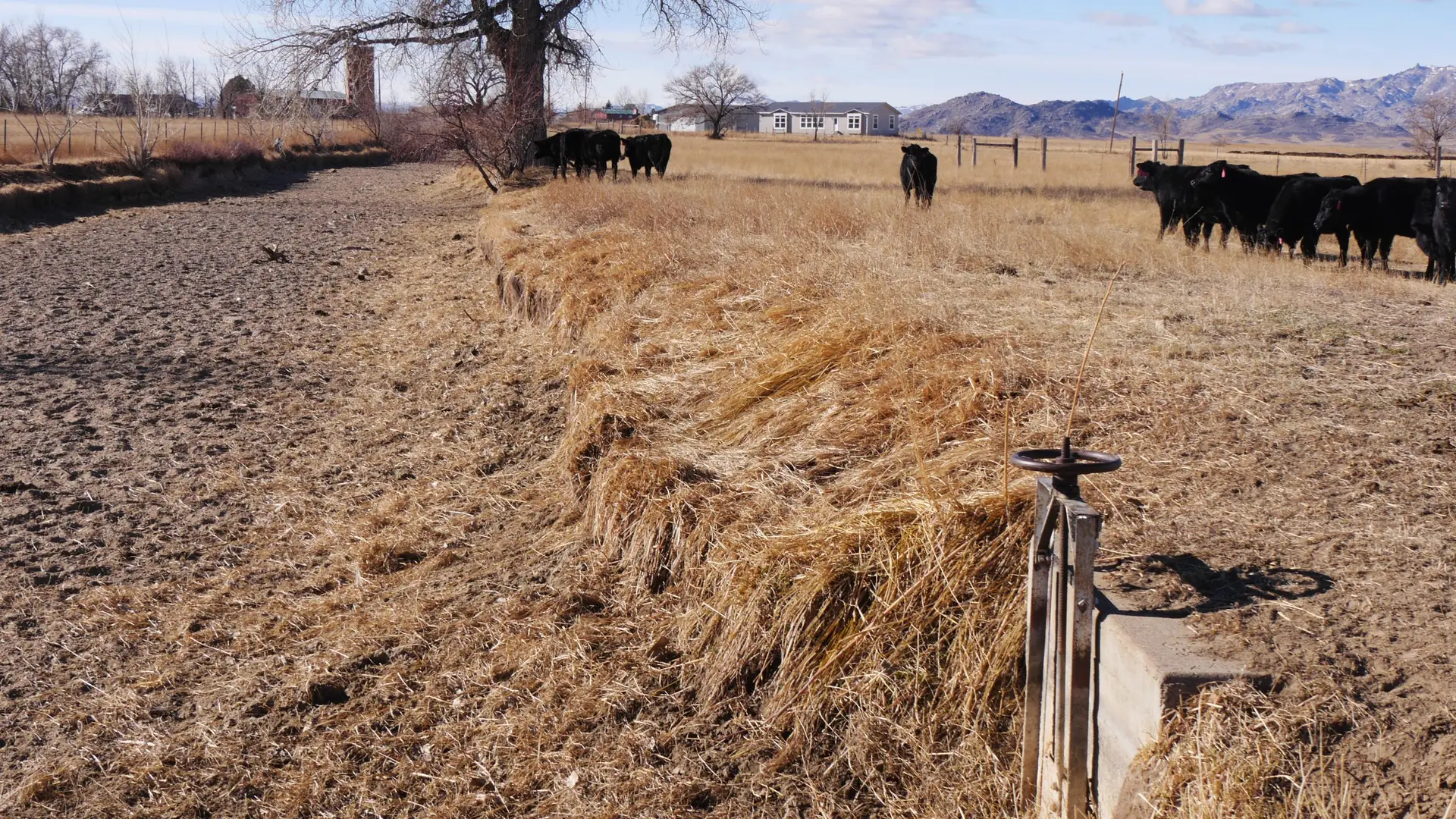
Much of the state’s irrigation infrastructure is more than 100 years old. Troubling developments, such as the collapse of the Gering – Fort Laramie Canal Tunnel and the identification of structural issues in the LaPrele Dam, prompted the state of Wyoming to launch the Critical Aging Irrigation Infrastructure Project, Level I Study.
The purpose of the project, as stated by the Wyoming Water Development Commission (WWDC) is to minimize economic impacts and disruptions to producers by proactively identifying irrigation infrastructure failures before they occur.
Trihydro Corporation, based in Laramie, is leading the study. The corporation is responsible for developing, prioritizing and evaluating a list of critical irrigation structures.
In addition to analyzing historical reports and data, Trihydro has organized a series of Critical Aging Infrastructure Assessment Public Meetings across the state to provide information about the project and garner public input.
Farmers, ranchers and landowners are encouraged to help identify aging infrastructure in their area and pinpoint the sources of greatest concern.
“Addressing critical aging irrigation infrastructure directly impacts ranchers and farmers,” says Amanda Marney, senior associate director of University of Wyoming Extension. “These public meetings are great opportunities for all landowners to share their thoughts and concerns directly with the Wyoming Water Development Office and Trihydro staff.”
Attendees will also have the opportunity to discuss funding options for resource-related projects with representatives of state and federal agencies (as available).
The project is slated for completion in December 2023.
The meeting schedule is as follows.
- Lyman – Oct. 11
- Pinedale – Oct. 12
- Casper – Oct. 26
- Buffalo – Oct. 27
- Riverton – Nov. 8
- Powell – Nov. 9
- Worland – Nov. 10
- Torrington – Nov. 17
Please visit bit.ly/wwdc-irrigtaion-infrastructure for specific meeting locations and times.