

A new bulletin from the University of Wyoming Extension explores effective supplemental feed programs for sheep producers in the West.
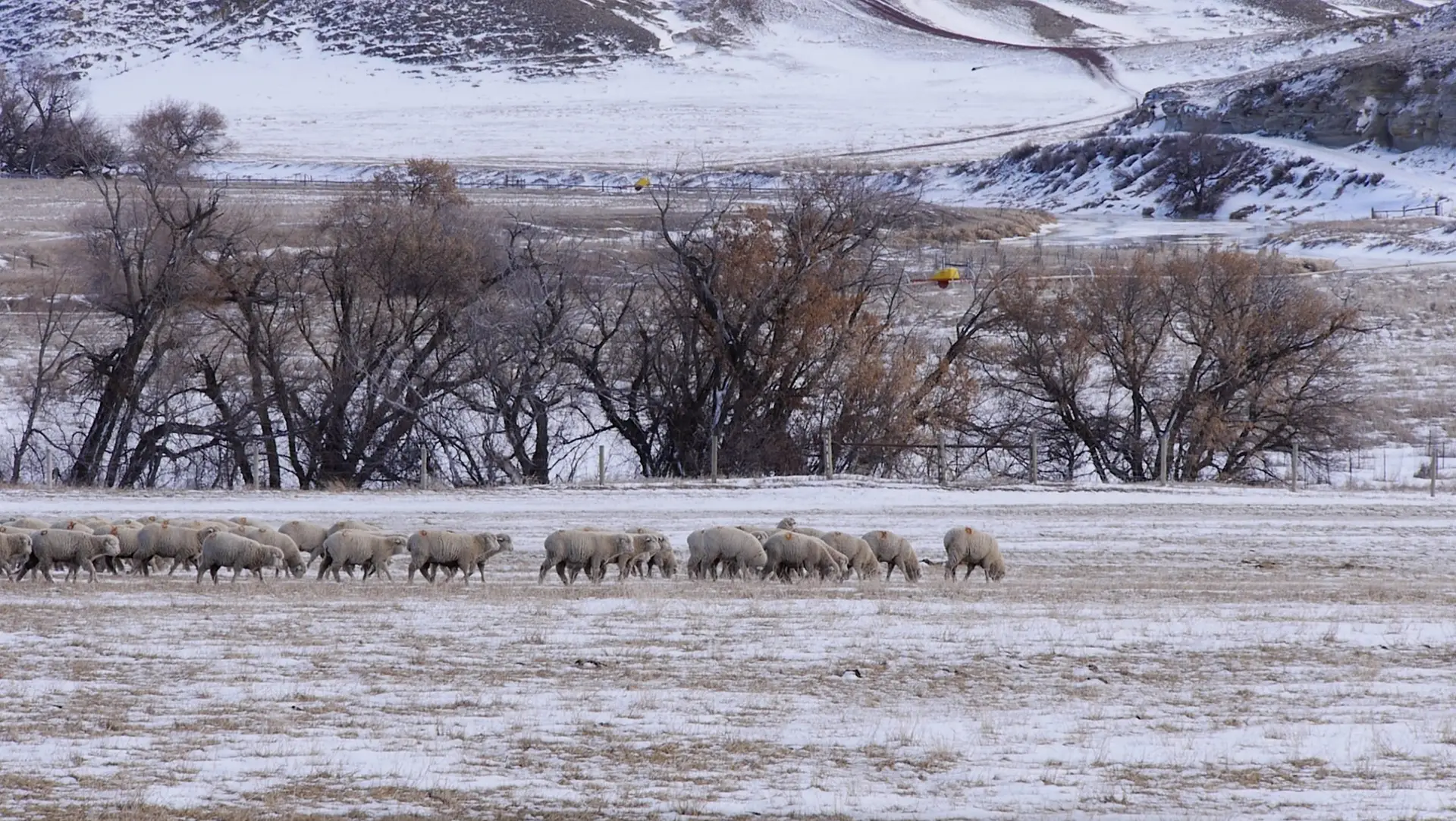
“Supplementation Considerations for Ewes Managed on Dormant Winter Pastures and Rangelands” notes that many sheep producers in the region rely on supplemental feed to meet late-season nutritional shortfalls. That’s because the quality of forage varies throughout the year and doesn’t always meet nutrient requirements during breeding, pregnancy and lactation.
The bulletin’s authors — UW Extension sheep specialist Whit Stewart and rangeland management specialist Derek Scasta, along with South Dakota State University Extension sheep field specialist Jaelyn Quintana — say annually evaluating standing forage on winter pastures is critical to determine when and how much to provide supplemental feed.
“Understanding the forage quality, quantity and species composition available to grazing sheep is an essential step in designing a precision supplementation program,” they wrote.
The bulletin also offers tips on how to determine what type of supplement should be used, considering factors such as whether protein or energy is required, and the cost per pound of the supplement.
“Implementing some of these considerations in forage-based sheep enterprises can optimize animal performance and save valuable input costs,” the authors conclude.
To download the bulletin, go to www.wyoextension.org/publications/Search_Details.php?pubid=2087&pub=B-1379.