



Snow, cold effects on plants will also be seen next spring, says horticulture specialist

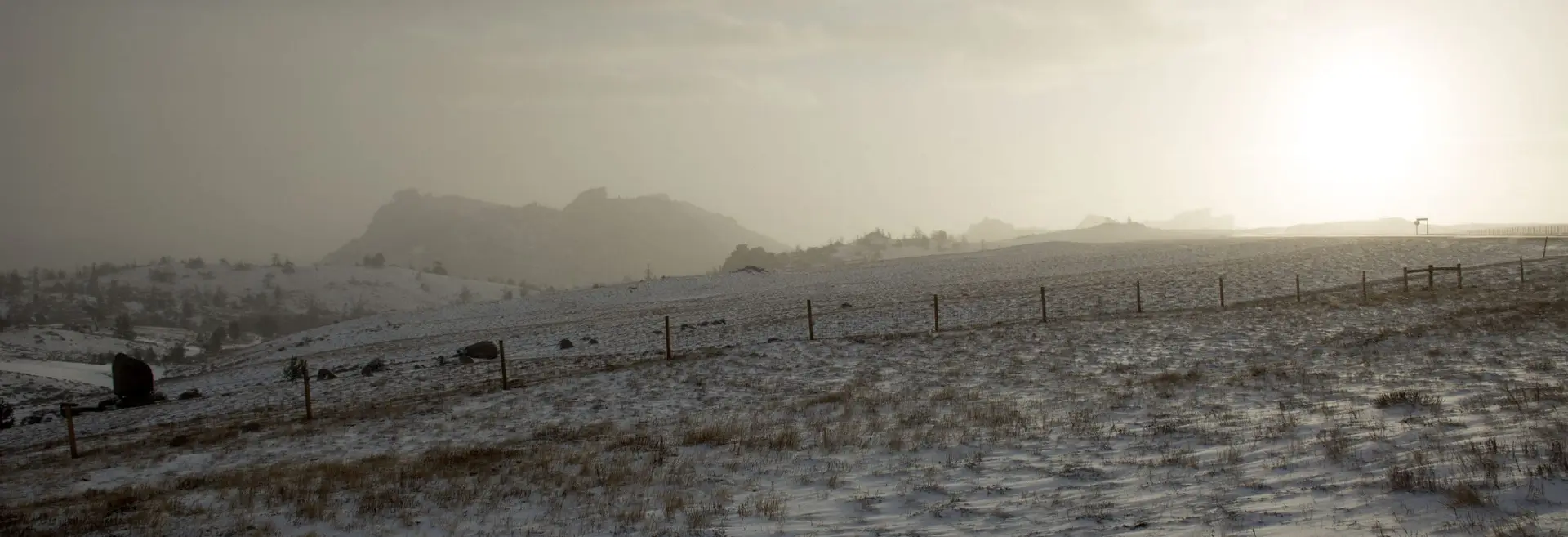
Photograph of snow on rangeThis week’s dramatic polar plunge is not only pummeling plants now, but expect damage and dieback next spring, according to the University of Wyoming Extension horticulture specialist.

Annual plants will not survive the unusual for this time of year low temperatures, but some herbaceous perennials might, said Karen Panter in the Department of Plant Sciences in the College of Agriculture and Natural Resources at UW.

Covered plants might survive, but the temperatures will be too cold for most. She said plants in containers may manage if taken into a protected structure like a garage or shed.

Panter said leaves will freeze-dry on trees and shrubs and will probably turn brown and stay on plants longer than normal. Frost may cause blackened leaf tips and possibly whole leaves and branches.

The snow, forecast to end tonight and Wednesday morning for most Wyoming areas, will accumulate on trees and shrubs and can cause broken limbs and branches.
Share the Post:

Related Posts

Artist booth at an Ag & Art Tour event, where a local artist displays watercolor paintings and handmade prints while engaging with a visitor; set outdoors with rural landscape, showcasing the connection between agriculture, creativity, and community.

UW Extension to Host Ag & Art Tour in Natrona County

For those interested in connecting with local artists and agriculturalists, the University of Wyoming Extension will lead a series of free self-guided Ag & Art tours from May through September.
The first Ag & Art event takes place in Natrona County Saturday, May 16, from 10 a.m. to 2 p.m.
“We had a great season last year and are excited to bring this event to five counties this summer, kicking things off [in] Natrona County,” says Hailey Sorg, Wyoming’s Jay Kemmerer Outdoor Recreation, Tourism and Hospitality (WORTH) Institute extension educator.

Read More
Amy Storey, a University of Wyoming third-year master’s student in zoology and physiology, completes a field survey for a collection site in Grand Teton National Park. This included taking habitat measurements about the floral and bee community as well as collecting environmental data, such as wind speed and land use. Storey’s presentation, titled “Parasites and Bumble Bee Decline in Wyoming,” was named the winning entry for a master’s student at the Wyoming Chapter of the Wildlife Society meeting in Sheridan April 8. (Rebecca Armentrout Photo)

UW’s Storey Makes Winning Presentation at Wyoming Chapter of Wildlife Society Meeting

Wild bumble bees are in decline, and various parasites may be a major cause. But there hasn’t been any data on whether Wyoming bees have parasites and to what degree—until now.
Amy Storey, a University of Wyoming third-year master’s student in zoology and physiology, shed light on her research when she took center stage at the recent Wyoming Chapter of the Wildlife Society meeting in Sheridan.

Read More

Help us improve this website!

We’re working to make AgNews easier to use and more useful for you. This quick survey takes about 1–2 minutes.