

Local ranchers can be sources for meat

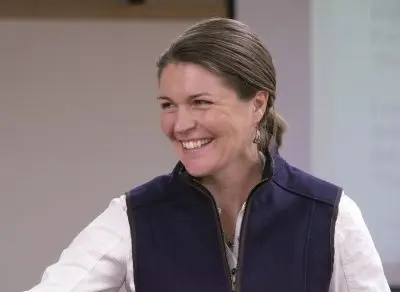
Washakie County educator Caitlin Youngquist

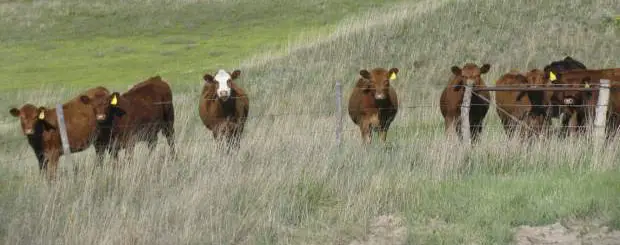
Interest in local sourcing for meat has increased during the COVID-19 pandemic, and a University of Wyoming Extension specialist reminds consumers that local ranchers have long been able to sell quarters and halves of animals to customers.

Buying local meat can be confusing since the rules about what can be sold vary, said Cole Ehmke, UW Extension rural entrepreneurship specialist.

“Custom processing is typically how halves and quarters are processed,” he said.

Animals purchased for an individual’s own use do not have to be slaughtered at a USDA slaughter and processing facility, explained Ehmke.

““After buying a portion of a live animal, the producer usually contacts the custom processor on your behalf and arranges for delivery,” said Ehmke. “The butcher will cut your animal any way you prefer, including further processing such as for sausage or smoking; however, the meat cannot be sold.”

Producers can sell directly to consumers any meat that is processed in a state or federally inspected facility.

Local food networks are developing to help local buyers find local sources. Caitlin Youngquist in the UW Extension office in Worland in the Big Horn Basin has assembled a list of local suppliers and information for people new to buying meat this way.

Sourcing local products, like meat, could support economic development in small towns, said Youngquist.

“We’re seeing tremendous interest in local sourcing now,” said Youngquist. “We wanted to help people find what they need and support producers who are trying to develop these markets.”

Youngquist said she hopes people will continue to buy local products long after the pandemic ends.

“When people consume a local product, it supports economic development, especially in a place like Wyoming where we could easily be at the end of a very long supply chain,” she said.
Share the Post:

Related Posts

Artist booth at an Ag & Art Tour event, where a local artist displays watercolor paintings and handmade prints while engaging with a visitor; set outdoors with rural landscape, showcasing the connection between agriculture, creativity, and community.

UW Extension to Host Ag & Art Tour in Natrona County

For those interested in connecting with local artists and agriculturalists, the University of Wyoming Extension will lead a series of free self-guided Ag & Art tours from May through September.
The first Ag & Art event takes place in Natrona County Saturday, May 16, from 10 a.m. to 2 p.m.
“We had a great season last year and are excited to bring this event to five counties this summer, kicking things off [in] Natrona County,” says Hailey Sorg, Wyoming’s Jay Kemmerer Outdoor Recreation, Tourism and Hospitality (WORTH) Institute extension educator.

Read More
Amy Storey, a University of Wyoming third-year master’s student in zoology and physiology, completes a field survey for a collection site in Grand Teton National Park. This included taking habitat measurements about the floral and bee community as well as collecting environmental data, such as wind speed and land use. Storey’s presentation, titled “Parasites and Bumble Bee Decline in Wyoming,” was named the winning entry for a master’s student at the Wyoming Chapter of the Wildlife Society meeting in Sheridan April 8. (Rebecca Armentrout Photo)

UW’s Storey Makes Winning Presentation at Wyoming Chapter of Wildlife Society Meeting

Wild bumble bees are in decline, and various parasites may be a major cause. But there hasn’t been any data on whether Wyoming bees have parasites and to what degree—until now.
Amy Storey, a University of Wyoming third-year master’s student in zoology and physiology, shed light on her research when she took center stage at the recent Wyoming Chapter of the Wildlife Society meeting in Sheridan.

Read More

Help us improve this website!

We’re working to make AgNews easier to use and more useful for you. This quick survey takes about 1–2 minutes.