

UW Extension horticulturists advise watering vegetation in advance of arctic front

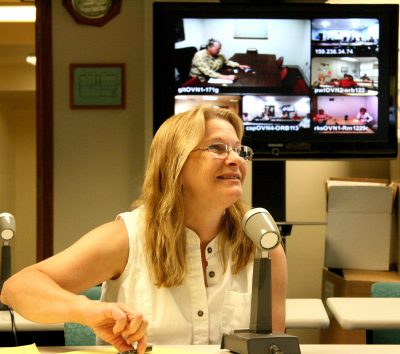
Photograph of woman at desk
Horticulture specialist Karen Panter

University of Wyoming Extension horticulture experts say homeowners can counter the expected arctic cold front’s snow and single-digit temperatures with a one-two punch of their own.

Knock snow from still-leafed-out trees and bushes and water vegetation.

“People should worry especially if their deciduous trees have not yet dropped their leaves,” said Karen Panter, extension horticulture specialist. “Heavy snow can break limbs and topple already-weak trees. Knock snow off as much as possible.”

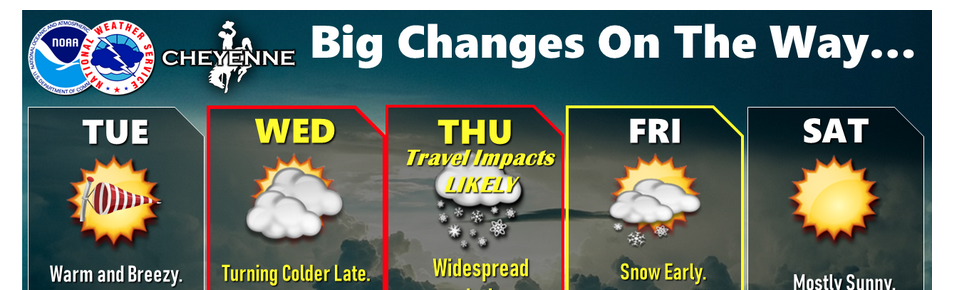
Forecasts Tuesday morning called for blowing snow and Friday morning temperatures down to 14 for Newcastle, 12 in Riverton, 10 in Casper and Cheyenne and Evanston, and 6 for Laramie. Temperatures are supposed to moderate starting the weekend.

Panter also advised wrapping trunks of newly planted trees up to 3 feet or more to defend against the cold.

People should also make sure lawns and other perennials are watered and moist before Thursday, she said.

Water is a great insulator and it changes temperature very slowly, she said.
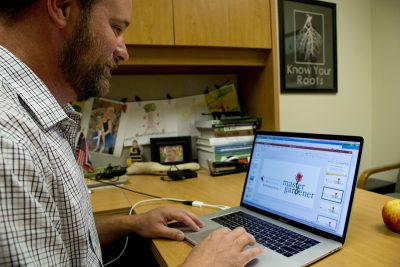
Man at computer
State Master Gardener coordinator Chris Hilgert

“Dry soil isn’t and doesn’t and can actually heave and separate, damaging root systems,” said Panter. “The best way to help plants through the winter is to make sure the soil is moist. People seem to think watering will keep plants from going into dormancy, which isn’t true at all. Dormancy is a complicated combination of lower temperatures, lower levels of sunshine, shorter days, etc.”

Extension state Master Gardener coordinator Chris Hilgert echoed Panter’s advice.

“It is a good idea to make sure to water your landscape plants – trees, shrubs, lawns and perennials – going into winter,” Hilgert said. “Once the weather turns cold, we don’t know how long it will be before we get a chance to water them again. Fall watering is the best thing we can do to help them through our long winters.”

Panter added watering lines at her house will be blown out after temperatures rebound.
Share the Post:

Related Posts

Amy Storey, a University of Wyoming third-year master’s student in zoology and physiology, completes a field survey for a collection site in Grand Teton National Park. This included taking habitat measurements about the floral and bee community as well as collecting environmental data, such as wind speed and land use. Storey’s presentation, titled “Parasites and Bumble Bee Decline in Wyoming,” was named the winning entry for a master’s student at the Wyoming Chapter of the Wildlife Society meeting in Sheridan April 8. (Rebecca Armentrout Photo)

UW’s Storey Makes Winning Presentation at Wyoming Chapter of Wildlife Society Meeting

Wild bumble bees are in decline, and various parasites may be a major cause. But there hasn’t been any data on whether Wyoming bees have parasites and to what degree—until now.
Amy Storey, a University of Wyoming third-year master’s student in zoology and physiology, shed light on her research when she took center stage at the recent Wyoming Chapter of the Wildlife Society meeting in Sheridan.

Read More
Collin Porter

Four UW Students Receive NSF Graduate Research Fellowships

Four University of Wyoming graduate students have been awarded prestigious National Science Foundation (NSF) Graduate Research Fellowships.
Alex Kurtt, Collin Porter, and Lena Wigger, all graduate students in the UW Department of Zoology and Physiology, and Josephine Walton, a UW master’s student in molecular biology, will each receive one of the nation’s most highly competitive awards for graduate studies. The fellowships are awarded to graduate students who are pursuing research-based degrees in science, technology, engineering, and mathematics (STEM).

Read More

Help us improve this website!

We’re working to make AgNews easier to use and more useful for you. This quick survey takes about 1–2 minutes.