


Gillette Free Little Pantries increase access to those in need

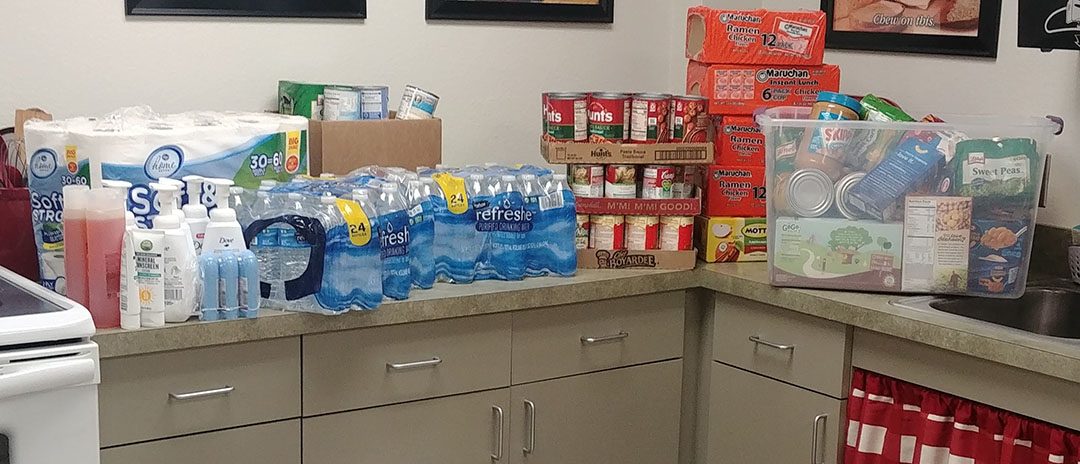
Food items are on floor and displayed on cabinets
More than 500 pounds of food were donated to the Little Food Pantry project during its first anniversary event. Anyone can access the five pantries anytime, no questions asked, no qualification needed.
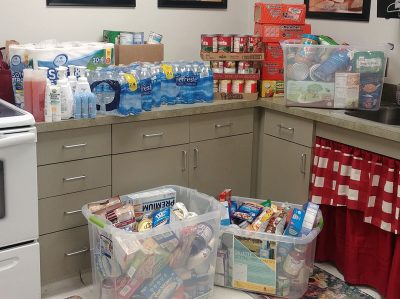
Food items are on floor and displayed on cabinets
More than 500 pounds of food were donated to the Little Food Pantry project during its first anniversary event. Anyone can access the five pantries anytime, no questions asked, no qualification needed.

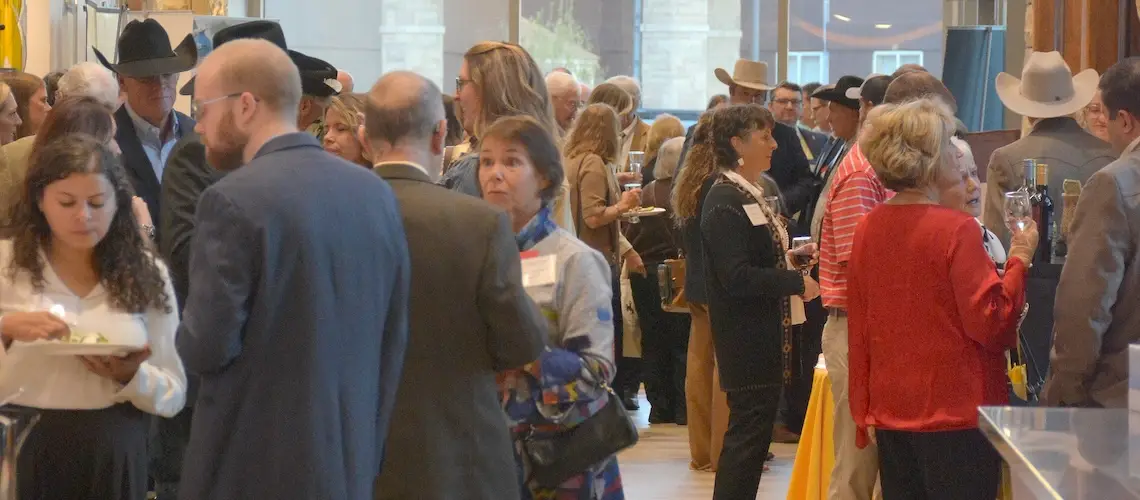
More than 500 pounds of food were donated to the Gillette Free Little Pantry during its first anniversary celebration July 17 hosted by ANB Bank in Gillette.

The donations doubled what had been received since the project began in July 2018. The items help provide for community members affected by the layoffs at the Eagle Butte and Belle Ayr mines outside Gillette.

“Since the massive layoff, we have seen an uptick of use in the pantries, both in need and in donations,” said Beth Chapell, Cent$ible Nutrition Program (CNP) educator in Campbell County. “I’ve also received a couple of phone calls asking where the pantries are located by people who have a need but don’t yet qualify for the local food pantry.”

The FLP project is a collaborative effort between the University of Wyoming Extension CNP, the Edible Prairie Project, the city of Gillette and the Council of Community Services. Chapell helps maintain the five pantries, which are in public spaces throughout Gillette.

Anyone can access the pantries anytime, no questions asked, no qualification needed.

“We received quite a few comments at the celebration about what a good idea the FLPs are and some gratitude as well,” said Chapell. “More than one person mentioned how they wanted to support the community because of how it’s supported them in the past. And they loved what the FPPs stood for: equal access and no judgment.”

CNP is funded by the USDA Supplemental Nutrition Assistance Program Education (SNAP-Ed) and Expanded Food and Nutrition Education Program (EFNEP). CNP provides nutrition education to individuals and families with limited resources. CNP also partners with community organizations serving populations with limited resources to help make the healthy choice the easy choice for everyone, according to the program information. Visit www.uwyo.edu/cnp to find out more.
Share the Post:

Related Posts

Artist booth at an Ag & Art Tour event, where a local artist displays watercolor paintings and handmade prints while engaging with a visitor; set outdoors with rural landscape, showcasing the connection between agriculture, creativity, and community.

UW Extension to Host Ag & Art Tour in Natrona County

For those interested in connecting with local artists and agriculturalists, the University of Wyoming Extension will lead a series of free self-guided Ag & Art tours from May through September.
The first Ag & Art event takes place in Natrona County Saturday, May 16, from 10 a.m. to 2 p.m.
“We had a great season last year and are excited to bring this event to five counties this summer, kicking things off [in] Natrona County,” says Hailey Sorg, Wyoming’s Jay Kemmerer Outdoor Recreation, Tourism and Hospitality (WORTH) Institute extension educator.

Read More
Amy Storey, a University of Wyoming third-year master’s student in zoology and physiology, completes a field survey for a collection site in Grand Teton National Park. This included taking habitat measurements about the floral and bee community as well as collecting environmental data, such as wind speed and land use. Storey’s presentation, titled “Parasites and Bumble Bee Decline in Wyoming,” was named the winning entry for a master’s student at the Wyoming Chapter of the Wildlife Society meeting in Sheridan April 8. (Rebecca Armentrout Photo)

UW’s Storey Makes Winning Presentation at Wyoming Chapter of Wildlife Society Meeting

Wild bumble bees are in decline, and various parasites may be a major cause. But there hasn’t been any data on whether Wyoming bees have parasites and to what degree—until now.
Amy Storey, a University of Wyoming third-year master’s student in zoology and physiology, shed light on her research when she took center stage at the recent Wyoming Chapter of the Wildlife Society meeting in Sheridan.

Read More

Help us improve this website!

We’re working to make AgNews easier to use and more useful for you. This quick survey takes about 1–2 minutes.