

A community garden project that donated more than 1,200 pounds of produce to Sheridan partners in 2019 is broadening efforts this year in an expected response to COVID-19.
“We are anticipating a greater need this year for produce along with an increased interest in home gardening,” said Lori Dickinson, Cent$ible Nutrition Program (CNP) educator in Sheridan County.
Connecting people to local food is one way the CNP works to support our communities, and this summer it may be more important than ever, said Mindy Meuli, CNP director.
CNP is a free cooking and nutrition education program for Wyomingites who income qualify, including people eligible to receive Supplemental Nutrition Assistance Program (SNAP) benefits. CNP is housed in the University of Wyoming Extension.
In 2019, Dickinson and the Sheridan County Extension Office worked together to create a community garden, called cultivating Integration in Rural Communities and LocalEngagement, or the CIRCLE garden.
Dickinson, with a background in social work, saw the garden as a way to engage community members with various backgrounds, including veterans, 4-H youths, scouts, alternative high school students and extension Master Gardeners in local food efforts.
Last year, the garden produced over 1,200 pounds of produce, which was donated to partner agencies, including the food bank and soup kitchen, as well as to community members with limited resources.
This summer, Dickinson is continuing the integrated community approach to the garden, but with precautions in place to keep everyone safe during the era of COVID-19.
“I am working with one of the veteran’s groups to help them grow at home container gardens,” said Dickinson. “I put together container garden kits for the veterans who may not be able come out to the garden this year. This way if they can come out, great, but either way they will still have their gardens at home to enjoy.”
Last summer, various veteran’s groups also participated in the garden and enjoyed the produce.
In addition, Dickinson created seed starting kits for youth volunteers to start and tend to plants until they can be planted in the garden.
“We had meetings via Zoom, and I invited local experts to teach them about seed starting and gardening. It is a chance for them to learn more about the science of gardening and that they can make a big difference in the lives of others,” Dickinson said.
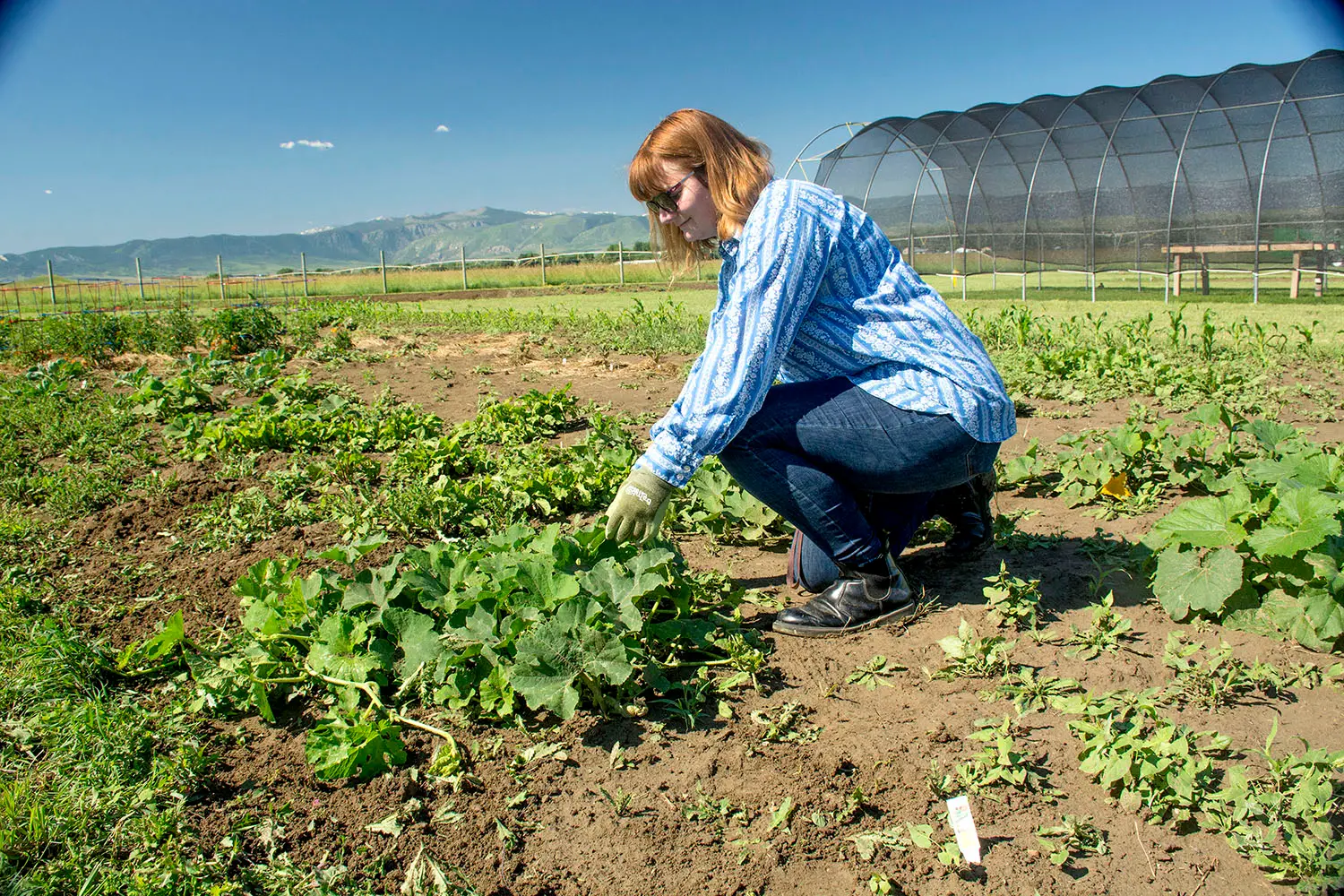
Dickinson and volunteers are also working on some changes to the garden at the Sheridan Research and Extension Center facility on the Sheridan College Campus to make it more accessible and productive, including “no till” gardening techniques, a vertical squash tunnel, irrigation lines and raised garden boxes, which are being built by a local Boy Scout. She is hoping to use it as a teaching garden to show different techniques community members can apply to their own gardens.
“Growing your own produce and buying local has always been a great choice, but now it may be more essential that ever,” said Dickinson. “There are a lot of uncertainties as to what we can expect from our food availability in the upcoming months. With this in mind, supporting local food suppliers and growing your own fruits and vegetables has the potential to make a huge difference in the lives of our families and those in our community.”
Gardening information and many other resources covering numerous subjects are available by going tobit.ly/uwyo-extension-covid, clicking on Individuals/Self Sufficiency and going to Gardening & Growing Food.