
When Mary Martin took a job with the University of Wyoming Extension in 1975, she had recently turned 21, had never been to Wyoming, and didn’t know a soul in the state. She had just graduated from the University of North Dakota, which was about 90 miles from her hometown in Devils Lake, North Dakota.
"I moved to Wyoming in March of 1975 with all my possessions in my car. I’m not going to be able to leave the same way."
- Mary Martin
But she was ready for a leap of faith. She packed up her car with everything she owned and ventured out to start her new job.
She had promised her interviewer, Dr. Josephine Rudd, to stay in the job for two years. In retrospect, Martin agrees that it takes at least two years to really get a handle on extension—but at first, she wondered what she’d gotten herself into.
Extension is the outreach arm of the national land-grant university system, dedicated to giving members of the public access to university research and resources. From the beginning, Martin served several roles within UW Extension. She was originally hired as a Teton County home economist, 4-H educator, and community development educator.
Her first months on the job were an exercise in culture shock, from navigating snowbanks taller than her car to being served very rare steak.
But Martin was adaptable and resilient, and she managed to make it through those early days, launching a decades-long career that showcases the very best of what UW Extension can accomplish.
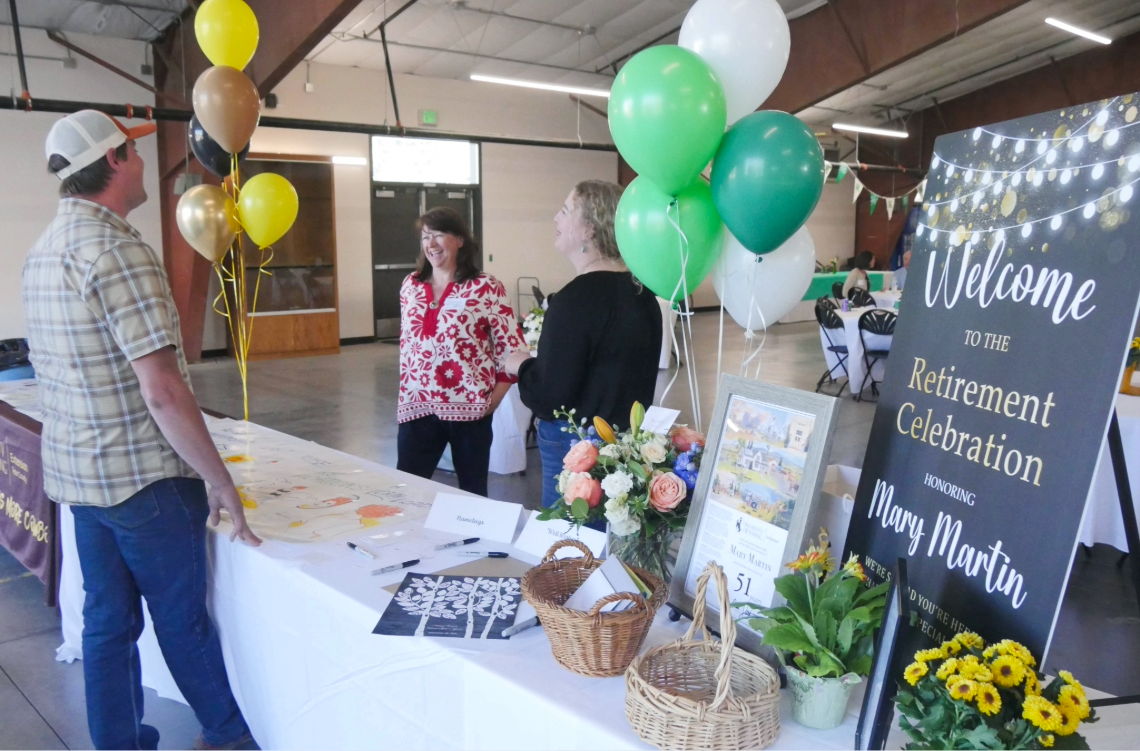
After 51 years with UW Extension, Martin is retiring today, Wednesday, Sept. 30.
Opening doors across Wyoming
Martin’s first class as a UW Extension home economist focused on cooking with microwaves, which were just becoming affordable for average homeowners.
Since that first class, Martin’s programs have touched almost every corner of Wyoming. She has led initiatives related to 4-H scholarships, economic impact assessments, emergency management, community daycares, farmers’ markets, legal immigration pathways, low-income housing for seniors, and leadership and mediation training, among countless other projects.
Martin soon became the first port of call for members of her community. One morning in May 1980, she was awakened by a call from a Teton County rancher. Mount Saint Helens had just erupted. Half the country, including Wyoming, was covered in ash, and the rancher wondered if it was safe for his cows to eat the ash-covered grass.
Martin wasn’t an expert on volcanic ash toxicity or cattle nutrition, but she knew how to find someone who was. She reached out to a specialist in UW Extension’s state office in Laramie, who was able to confirm that the grass was not contaminated enough to seriously harm the cows.
Throughout her career, Martin has collaborated with campus-based specialists and fellow county educators. “It didn’t take me long to realize I really needed to make connections with people on campus to be successful in the county,” she says.
That’s what’s special about Extension, in Martin’s mind: extension educators open the university’s doors to the entire state of Wyoming, making it possible for community members to access the latest scientific research, understand how that research applies to the challenges they’re facing, or find the resources they need to bring a new idea to life.
Sharing resources, empowering communities
As an extension educator, Martin frequently served as a facilitator, connecting passionate individuals to resources from the university and outside organizations. “In Extension, we use the community’s talents and resources to create community solutions to community problems,” she says. “Extension enables people to get the tools they need to help themselves.”
Over the years, many projects Martin started have taken on a life of their own. She helped launch a Teton County restaurant sanitation program that expanded into a statewide initiative, for example. She’s been an educator and mentor for countless 4-H’ers who have gone on to become successful business owners, attorneys, rodeo stars, scientists, and artists.
Five decades ago, Martin wrote the grant for the Meals on Wheels program that still serves meals to senior citizens in Jackson, Dubois, and Afton. This program has helped enable generations of older adults to live healthier, more independent lives.
Martin attributes much of her success to collaboration. By recognizing a need from her community and working with other leaders to build a solution, she helped create programs that could continue on without her.
Martin thrived in Teton County, a community she describes as full of leaders, free thinkers, and artists ready to run with projects she helped set up.
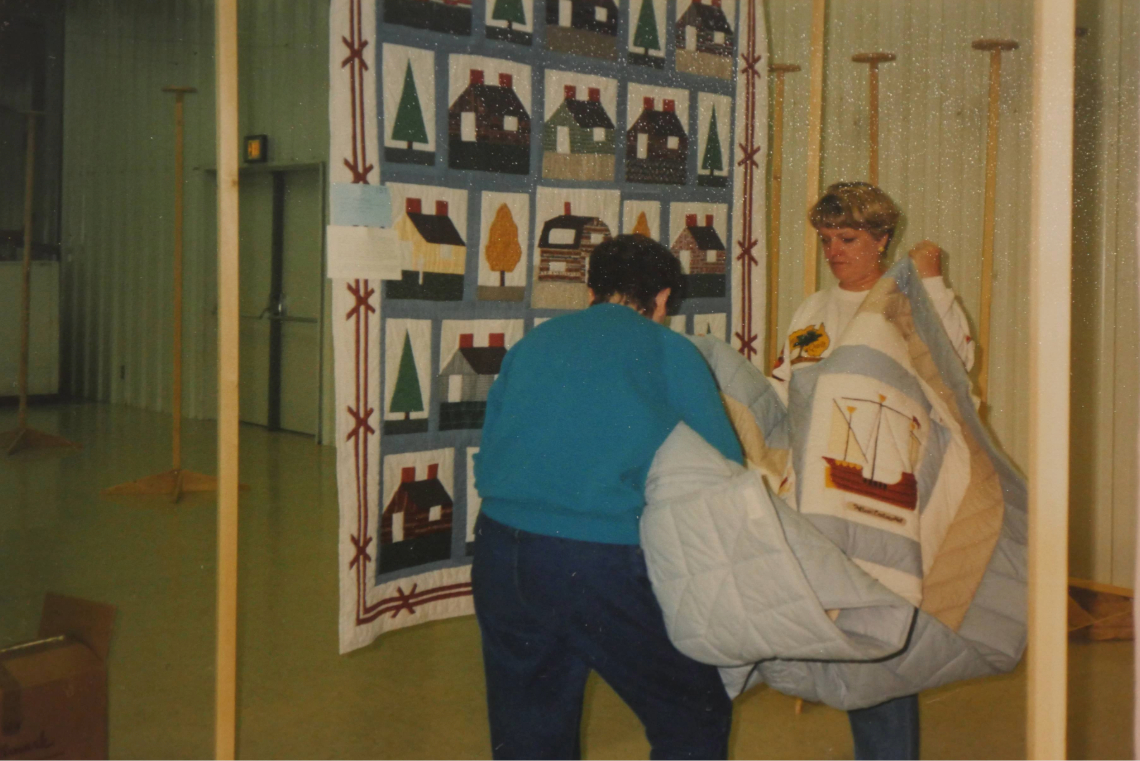
One project that demonstrates Teton County’s unique qualities was called Quilting in the Tetons.
When Martin arrived in Jackson Hole, the tourism “off season” lasted most of the year. In the 1980s, she was a member of a committee dedicated to bringing more visitors and jobs to Jackson in the fall. The committee planned the Jackson Fall Arts Festival, showcasing the county’s many artists.
Each committee member was assigned a week of the festival to create an event. Martin was inspired by conversations with Harris Vincent, the manager of a local hotel, who lamented that his mother and her friends would only travel to towns with quilt shows. She worked with Vincent and his mother’s quilt guild in Utah to create Quilting in the Tetons.
She wasn’t a quilter, but for the next 25 years, she became a vital part of the U.S. quilting community, helping Teton County businesses along the way.
Martin believes that Quilting in the Tetons demonstrates the power of letting the community own what they do. Volunteers helped organize the annual, week-long quilt show, using every meeting room in town to run workshops. “The thing that made it work was Extension’s ability to engage volunteers and work with volunteers,” says Martin. “All of us are smarter than any one of us.”
Quilting in the Tetons eventually came to an end, but the Jackson Fall Arts Festival lives on, sustained by the community’s efforts. Nowadays, fall is one of the busiest times for Jackson Hole—and the off season only lasts about two to three weeks.
From money management to better boards
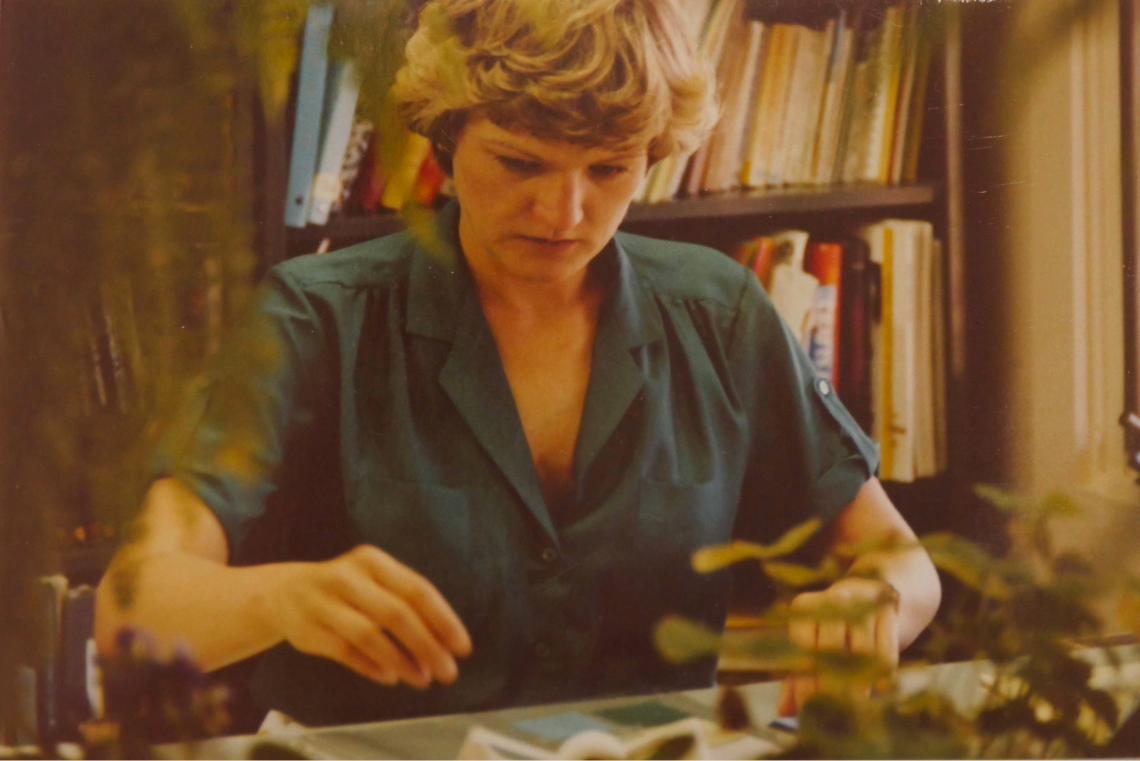
Throughout her career, Martin has noticed and responded to the needs of her community. During the summer before her retirement, she has mediated disputes, judged county fairs, led food preservation classes, facilitated the development of a Teton County Master Gardener program, and even stepped in as an interim county coordinator for Sublette County.
Some of her most notable recent projects focused on estate planning, personal financial management, and board governance.
Martin helped create a series of free digital resources explaining estate planning options. Titled “Planning Ahead, Difficult Decisions,” the series is among UW Extension’s most popular online resources.
Martin’s free MoneyTalk course covers subjects like budgeting, managing cash flow, and investing. Her work on the Governor’s Task Force on Financial Literacy Standards motivated her to develop an online, self-paced version of the original in-person course.
Many of Martin’s courses and programs have had a long-lasting impact across Wyoming. One of the most significant grew from a need identified in 2005. Newly elected and appointed officials serving on special district boards—such as conservation districts, weed and pest districts, and fire districts—often assumed office without formal training in board governance or the responsibilities that accompanied their positions.
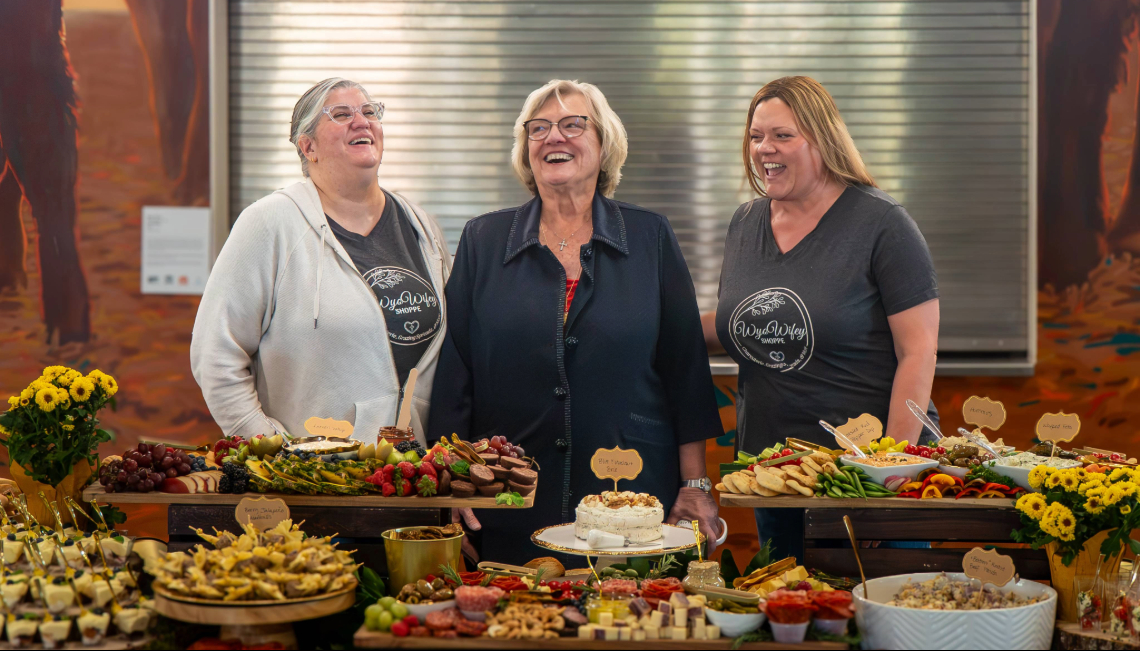
Martin, a certified board governance coach, worked with Teton County elected officials to develop the “Building Better Boards” training program, which Teton County began offering annually in 2007. Later, the Wyoming legislature recognized that “Building Better Boards” met the requirements of a Wyoming statute which requires that certain new board members complete training related to public records, open meetings, and other responsibilities associated with public service.
Martin also worked with other UW Extension educators to expand board governance education, helping make the “Better Boards” training available to board members and community leaders across the state. What began as a response to a local need ultimately became part of a broader effort to ensure that Wyoming’s public boards are led by informed officials who understand both their legal obligations and their responsibility to govern effectively.
Expect change, embrace change
From the very beginning, Martin has taken on ambitious projects. She’s often ahead of the pack, experimenting with new initiatives and technologies months or years before the rest of UW Extension catches up. “I’ve had some wonderful successes and I’ve had some fabulous opportunities just by virtue of where I live and my personality,” she reflects. “I am not afraid to tackle new things.”
In 2021, Martin won the Friend of Community Development Award from the Wyoming Association of Community Development Education Professionals. In fall 2023, the Wyoming Business Report honored her with a Lifetime Achievement Award for her long-time service to the Teton County community. In the same year, she received the Jim DeBree Excellence in Extension Award, UW Extension’s top employee honor.
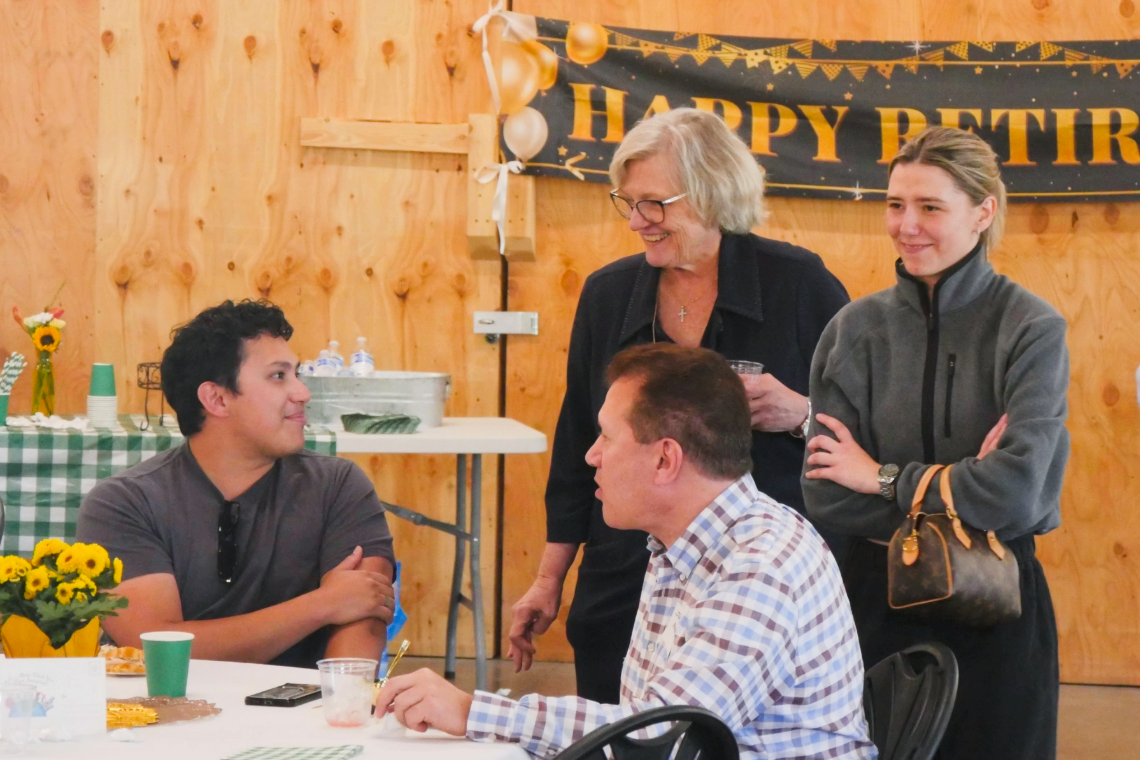
But Martin didn’t set out to win awards. It’s her passion for Wyoming, for Extension, and for helping others that has motivated her to keep tackling new projects. “I have found working with the communities of people in Wyoming to be a great source of joy,” she says. “Wyoming communities and Wyoming people have been the reason why I have found such fulfillment in my work.”
Martin encourages new educators to stick it out for a couple of years before moving on to something new. She believes UW Extension has an amazing capacity for helping communities, but it requires educators on the ground who know their communities.
Even as she enters retirement, Martin hopes she can continue to serve as a resource for Teton County extension educators and community members.
Retirement, for Martin, is one more leap of faith—tackling an entirely new kind of “program” and hoping she’ll find her feet on the way.
When asked what advice she’d give someone beginning a job with Extension today, Martin says, “Expect change, and embrace change. That’s one of the exciting things about the job—it’s not the same every day! Look at each new day as an opportunity to contribute in a meaningful way to the people that we’re working with.”