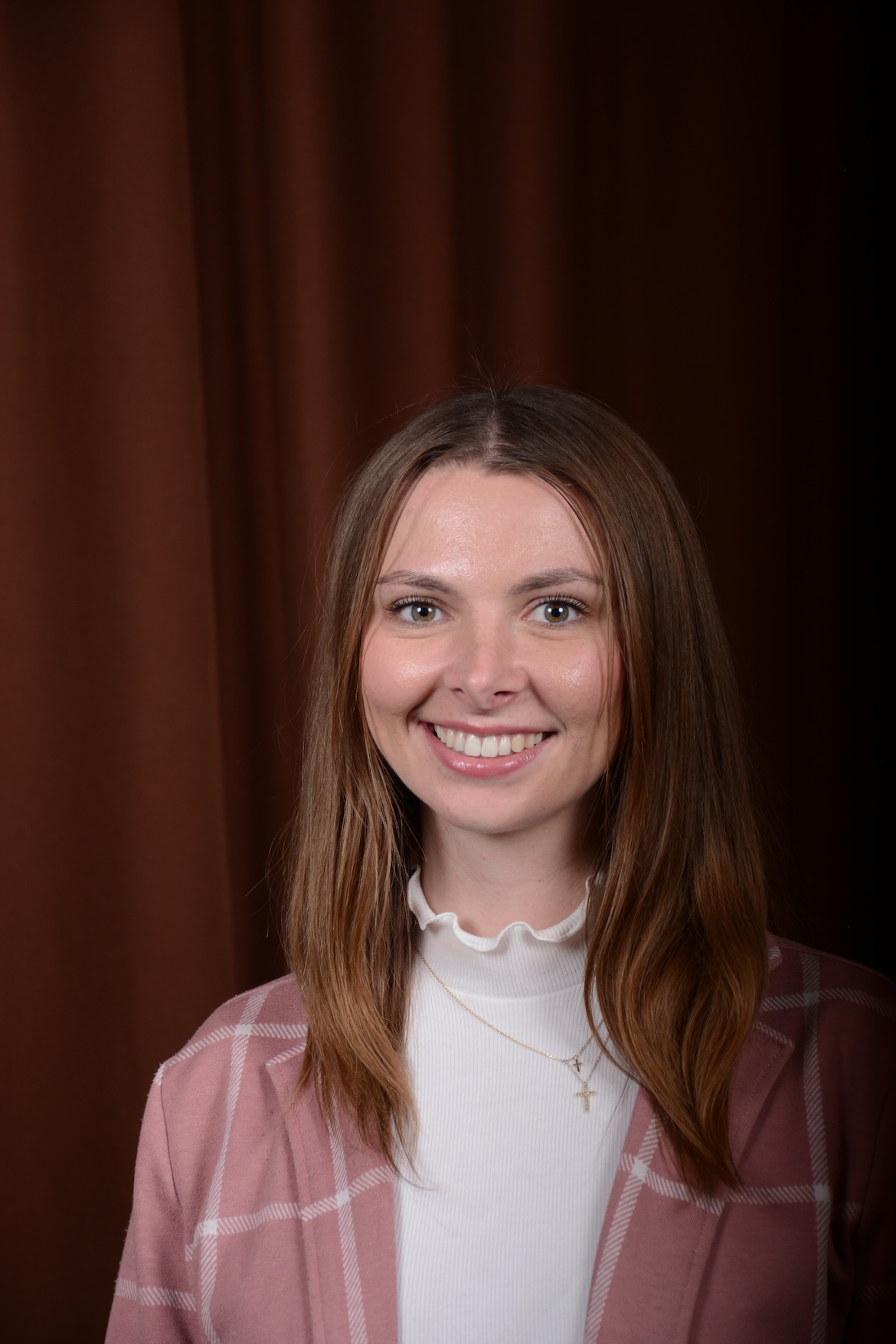


Whether it has been teaching, research, educational outreach, or responding to national disasters, Ramesh Sivanpillai has answered the call.
These accomplishments — recognized by University of Wyoming faculty — have earned Sivanpillai, an instructional professor in the UW School of Computing/Wyoming Geographic Information Science Center (WyGISC), the George Duke Humphrey Distinguished Faculty Award.

Named for UW’s 13th president, who served from 1945-1964, the George Duke Humphrey Distinguished Faculty Award recognizes teaching effectiveness, distinction in scholarly work, and distinguished service to the university and state.
“Dr. Ramesh Sivanpillai is a distinguished figure in the field of remote sensing,” says Gabrielle Allen, director of the UW School of Computing, who nominated Sivanpillai for the award. “Over the course of more than 25 years as a research scientist with WyGISC, Ramesh has made significant contributions to the digital processing of remotely sensed data, applying his expertise to a wide array of domains including forestry, rangeland management, agriculture, water resource assessment, disaster response, and land cover/land use studies. His work impacts Wyoming, the nation, and extends globally.”
In December 2002, Sivanpillai was hired to head the WyomingView program at UW. Through WyomingView, he has trained 114 interns and more than 250 college students on remote sensing applications, ranging from crop growth monitoring and water body mapping to disaster response. Since that time, he also has reached out to more than 4,000 K-8 students in Wyoming schools to introduce and promote remote sensing science and applications.
He teaches the core programmatic courses of the Remote Sensing Certificate Program, which serves a wide variety of students. He has trained more than 200 UW undergraduate students on real-world applications using satellite images.
Additionally, Sivanpillai has trained more than 30 students at three universities in India since 2014.
Sivanpillai also has been an adjunct professor for much of the past decade in the Department of Ecosystem Science and Management and has taught the “Applied Remote Sensing” course in the rangeland ecology and watershed management degree program.
“He has regularly collaborated with Ecosystem Science and Management faculty and mentored graduate students in our programs, both through teaching of graduate courses and by serving on committees,” says Tim Collier, head of the Department of Ecosystem Science and Management. “Ramesh’s research contributions to resource management are important and highly relevant to key applied issues in the state and region.”
Sivanpillai is passionately engaged with UW’s international student population and has led four food drives in campus, three on behalf of the Indian Student Organization and one through the International Student Organization.
He also actively engages with professional associations, including the American Society of Photogrammetry and Remote Sensing, and the American Geophysical Union. Since 2008, he has been an associate editor for the Journal of Applied Remote Sensing as well as for Frontiers in Earth Science since 2014.
He received a 2017 William Thomas Pecora Project Manager Group Award from the International Charter Space and Major Disasters Team. Sivanpillai was recognized by the Charter team for volunteering to serve as a project manager for the 2011 floods in the Midwest, which impacted several states — including Arkansas, Illinois, Missouri, and Kentucky — along the Mississippi River.
Sivanpillai also was recently honored with a Lifetime Achievement Award from AmericaView. Much of his recognition for this award came from his remote sensing and analysis work with the International Charter Space and Major Disasters Team.
This work included mapping damaged homes, buildings, and other infrastructure in Florida after Hurricane Milton in 2024. He also served as project manager for hurricane response efforts in 2022 after Hurricane Fiona rocked the Dominican Republic with heavy rains and extreme flooding; and served as a project manager for the 2018 Camp Fire that engulfed the town of Paradise, a community located in northern California.
Sivanpillai received his Ph.D. in forestry from Texas A&M University; his master’s degree in environmental science and policy from the University of Wisconsin Green Bay; a master’s degree in environmental science from Bharathiar University in Coimbatore, India; a master’s degree in environmental studies from Cochin University of Science and Technology, India; and his bachelor’s degree in physics from PSG College of Arts and Science in Coimbatore, India.
This story was originally published on UW News.