

In a paper published in the New Zealand Journal of Agricultural Research this week, University of Wyoming researchers identified a gap in existing studies of livestock methane emissions: soil carbon sequestration.
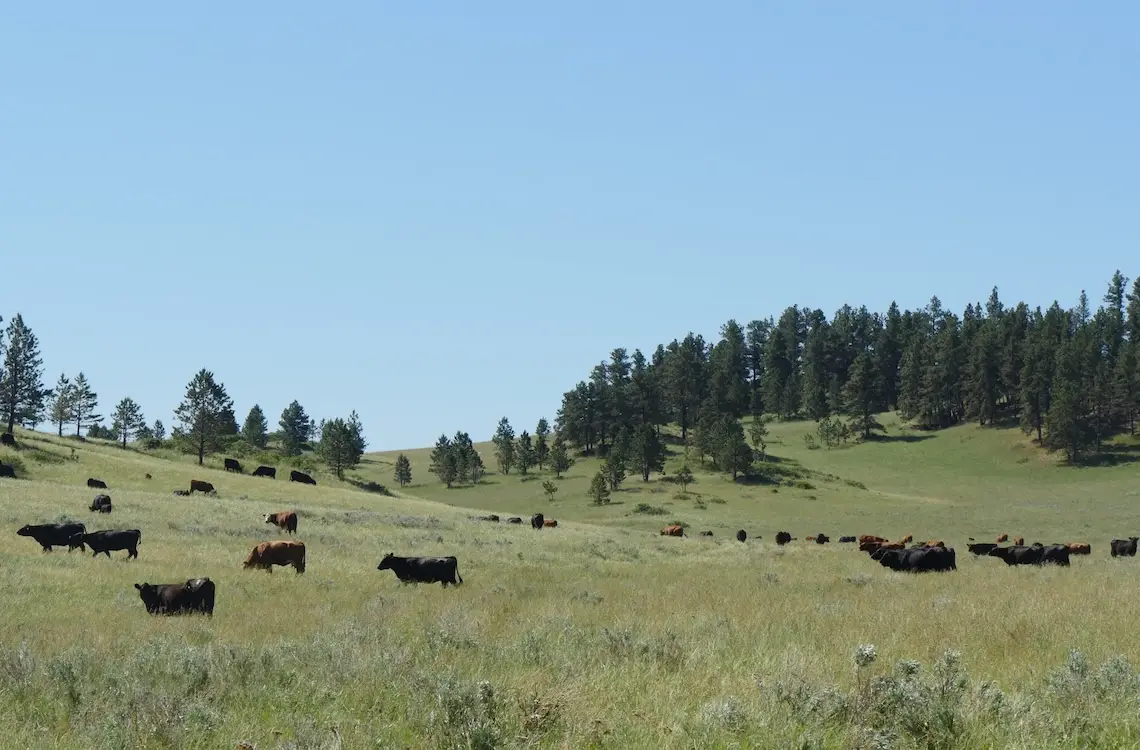
Globally, there are growing concerns about methane emissions from beef cattle, which produce more methane than any other domesticated species. In the United States, beef cattle contribute 18% of the country’s total methane emissions.
Proposed mitigation strategies have included changes in cattle diets, genetic selection, and the implementation of methane taxes, but few studies have explored whether soil carbon sequestration can help offset emissions.
In their review of existing literature on the topic, UW researchers analyzed 82 peer-reviewed published papers on methane emissions produced by grazing cattle in locations around the world. Studies of methane emissions in confined feeding environments were not included.
The new literature review, titled “Global Review of Grazing Beef Cattle and Methane Emissions: More Simultaneous Animal and Soil Sampling Needed to Inform Appropriate Policy and Management,” was led by Nicki Nimlos, UW Extension state range management specialist, and colleagues in the UW Department of Ecosystem Science and Management and Department of Agricultural and Applied Economics.
Of the 82 studies reviewed, only two assessed both soil carbon sequestration and cattle methane emissions simultaneously. These two studies suggested that, under certain grazing management systems, soil carbon sequestration could more than offset methane emissions produced by cattle.
According to Nimlos, this research gap presents an exciting opportunity to incorporate soil carbon sequestration on grazing lands into the broader conversation about cattle emissions.
“It just really highlights an important gap,” she comments. “More research is needed that simultaneously quantifies grazing management, animal emissions, and soil carbon sequestration to fully understand the net carbon balance between beef cattle and grazing lands.”
In addition to identifying carbon sequestration as a key area for further research, Nimlos and her colleagues noticed considerable variation in how livestock methane emissions are currently quantified.
Standardizing measurement techniques, along with incorporating soil carbon analysis, could provide more reliable and readily comparable data on how livestock emissions affect the carbon cycle in grazing landscapes, the review suggests.
Proposed mitigation strategies, such as introducing feed additives or genetic selection, may be costly and impractical on a large scale. Simply reducing livestock numbers may not have the desired effect since alternative food sources are also associated with greenhouse gas emissions and significant land use.
However, with a better understanding of soil carbon sequestration, it may be possible to refine grazing strategies to reduce net emissions associated with cattle, Nimlos says. One study noted in the UW literature review, for example, found that improving management practices through rotational grazing or use of organic soil amendments could reduce methane emissions from beef cattle by nearly half.
To read the full review, visit https://bit.ly/methane-soil-carbon-review-nimlos. Contact Nimlos at nnimlos@uwyo.edu with questions.