
Bison sustained Indigenous communities for generations by shaping their traditions and spirituality, as well as providing food, clothing, and shelter. After more than 130 years of near extinction, they are being brought back to tribal lands on the Wind River Indian Reservation.
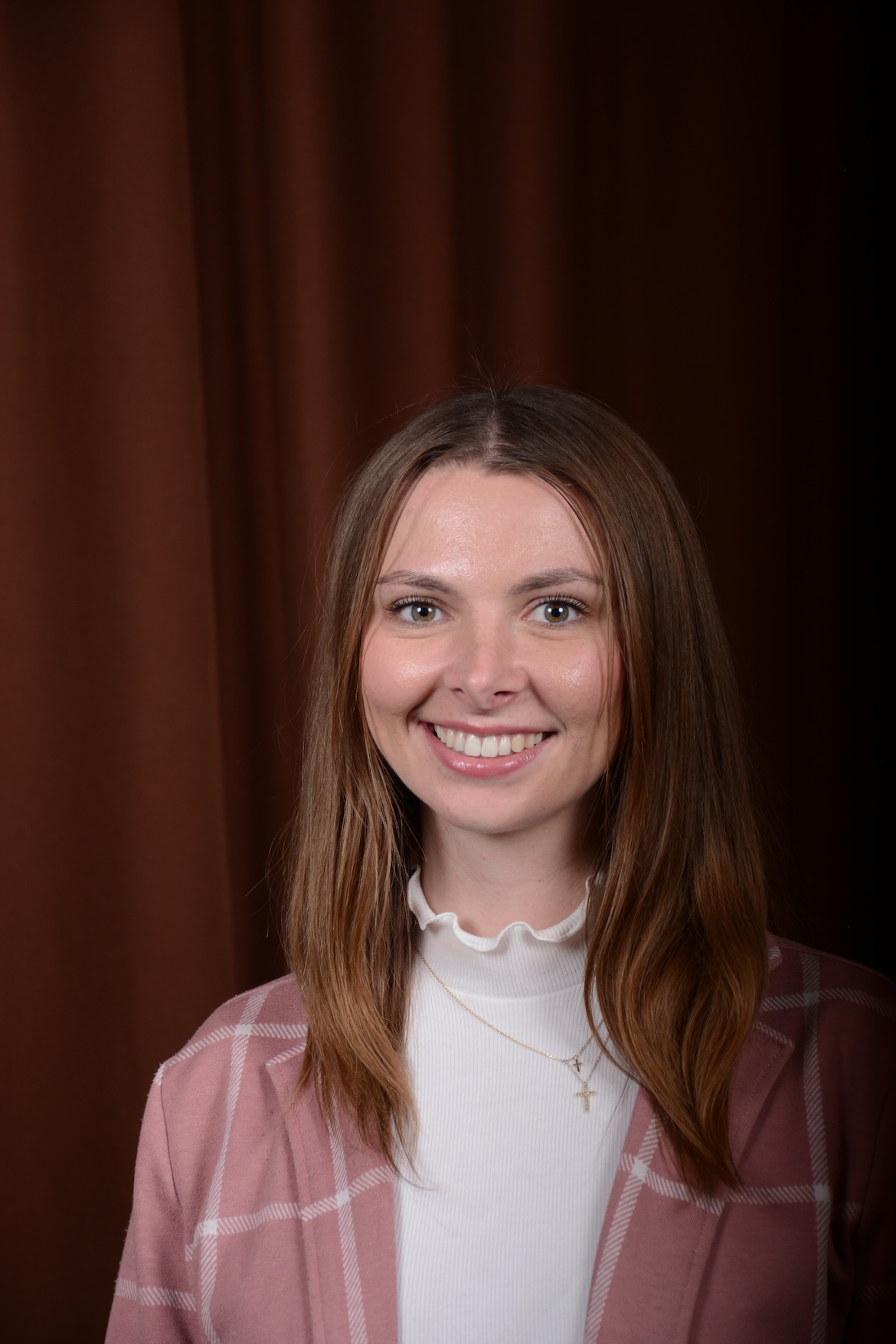
Elsa Freise, a University of Wyoming student from Buffalo, is a recipient of the 2024 Larsh Bristol Photojournalism Fellowship. She will give a public presentation about her work titled “Bison Tales: Capturing Conservation and Culture” at 5 p.m. Friday, Feb. 21, in Room 506 of Coe Library.
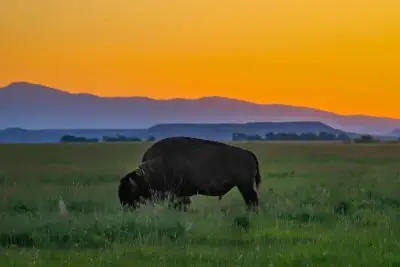
Freise’s photos will be exhibited on the third floor of Coe Library through Friday, May 9.
The Larsh Bristol Photojournalism Fellowship has been hosted by the UW Department of Communication and Journalism since 2008.
Freise, a zoology major with a minor in journalism, spent last summer working alongside the crew of the Wind River Tribal Buffalo Initiative and documenting its efforts in conservation.
Her journey began in a UW photojournalism class, where she discovered a passion for visual storytelling and an opportunity to connect with people she might have never met otherwise.
“Photojournalism gives you a way to step into someone else’s life, gain new perspectives, and understand the world in deeper ways,” Freise says. “It has the power to make us pause, photograph what often gets overlooked, and connect.”
Freise wanted to tell a story that would be historically significant to Wyoming and focused on its people.
“As a zoology major, I have always been intrigued by our state’s mammal, the bison,” she says. “Additionally, Indigenous and marginalized communities are often disproportionately affected by climate change, yet, their leadership in conservation is crucial for equitable policies.”
Freise was determined to be more than a passive observer — she wanted to fully engage with the community. She reached out to Jason Baldes, executive officer and board president of the Wind River Tribal Buffalo Initiative, and traveled to the Wind River Indian Reservation, where she helped by tearing down fences and preparing meals.
“This summer was a dream come true,” Freise says. “I’ve always wanted to travel nomadically, and this experience allowed me to do that while working on something meaningful.”
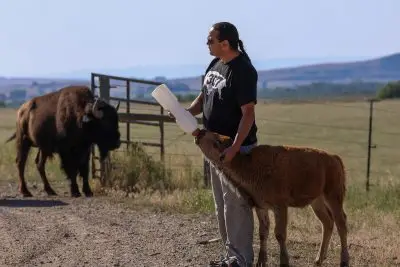
Freise hopes her project will shed light on the history of Wyoming and the negative effects of bison extirpation, which reshaped the Great Plains and disrupted both ecosystems and the lives of Indigenous communities.
“There also are many misconceptions about the Wind River Indian Reservation,” she says. “Through this project, I wanted to highlight the good work happening there — the strength, resilience and dedication to conservation and cultural revitalization.”
The Larsh Bristol Photojournalism Fellowship is an annual award for UW students to support strong visual storytelling projects. It is named in honor of Larsh Bristol, a UW journalism alumnus who died in 2006.
The Larsh Bristol Photojournalism Fellowship gave Freise an opportunity to travel, meet new people and contribute to Wyoming conservation. Most important, it helped her recognize her inner strength and of what she is capable.
“When I told people I was going to the Wind River Reservation alone, I was met with fear and doubt,” she says. “Solo travel can be intimidating, especially as a woman. But I learned that we often build things up in our heads to be much scarier than they actually are. Post-graduation, I know I am capable of going anywhere in the world and finding people to connect with because of what I accomplished this past summer.”
The deadline for submissions for the 2025 Larsh Bristol Photojournalism Fellowship is Friday, March 28.
For more information, email Shane Epping, UW Department of Communication and Journalism assistant professor, at sepping@uwyo.edu.
This story was originally published on UW News.