
A group of Wyoming farmers and ranchers will come together the morning of Sept. 24 doing something few producers ever get to do: communicating to the nation’s central bank, in their own words, the challenges the agricultural industry is currently facing.
The Federal Reserve Bank of Kansas City will host a regional roundtable on agricultural economic conditions that day at Laramie County Community College in Cheyenne. Producers from Wyoming, Colorado, and Nebraska will take part in a two-hour discussion with Kansas City Fed economists, followed by lunch.
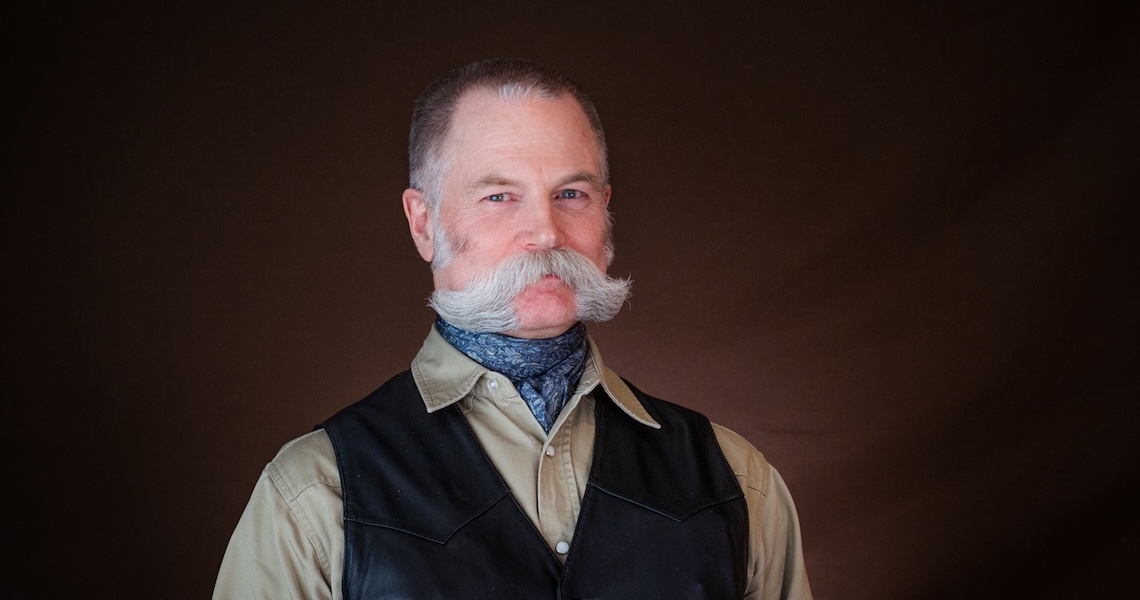
John Hewlett, a ranch and farm management extension specialist in the University of Wyoming Department of Agricultural and Applied Economics, is working with the Kansas City Fed to organize Wyoming’s participation. Hewlett helped identify and recruit a cross section of operators intended to reflect the breadth of agriculture in the state. He will also contribute to session discussions.
“Working with the Wyoming Stock Growers Association, the Wyoming Farm Bureau Federation, and our extension colleagues, we have assembled a small group that reflects Wyoming’s livestock and crop agriculture,” Hewlett said.“ This is an opportunity for producers to explain conditions that don’t always show up clearly in regional numbers, including transportation and marketing challenges, our arid environment, irrigation water issues, and the realities of producing livestock and crops in Wyoming.”
Hewlett has been with the UW Department of Agricultural and Applied Economics since 1987 and has built much of his extension career around farm and ranch financial management, risk management, and decision tools, including the regional RightRisk and Risk Navigator programs.
Working with Hewlett were extension colleagues Jay Parsons of the University of Nebraska-Lincoln and Stephen Koontz of Colorado State University, who assembled participants from their respective states.
A working session, not a public meeting
Participation in Fed roundtables is by invitation, and the group was deliberately kept small so the conversation can stay candid and specific.
Attendees receive a short set of discussion questions and a roster roughly a week in advance, but participants are not expected to prepare formal presentations. The format is a conversation.
The Kansas City Fed holds sessions like this one periodically across its district to hear from the operations closest to production agriculture, in language that has not been through a survey instrument first.
Why a small group in Cheyenne matters to producers who are not in the room
- The Beige Book, the Federal Reserve’s periodic summary of regional economic conditions, which draws its agricultural commentary from contacts across the district and goes to policymakers ahead of monetary policy meetings
- The quarterly Agricultural Credit Survey, which tracks farm income, loan demand, repayment rates, collateral requirements, interest rates, and farmland and ranchland values
- Monthly agricultural finance updates on farm lending volumes and new loan originations
- Insights on agricultural and rural economies, short analyses on topics such as land values, cattle inventories, beef demand, and food prices
Those publications are free and public. Producers, lenders, and landowners use the farmland and ranchland value series and interest rate data when negotiating leases, weighing land purchases, and comparing loan terms.
In May, the bank reported sharp growth in Tenth District ranchland values; in August, it reported that agricultural credit conditions kept tightening gradually through the second quarter of 2026 while land values held firm. Firsthand accounts from producers are part of what puts context behind those figures.
The upcoming session is hosted by the Kansas City Fed’s Center for Agriculture and the Economy, established in October 2025 to consolidate the Bank’s agricultural research and industry engagement. Nate Kauffman, senior vice president, economist, and Omaha Branch executive, serves as the center’s executive director.
For more information
The roundtable is not open to the public and is not a media event. Questions about the Kansas City Fed’s agricultural research and publications can be directed to the Center for Agriculture and the Economy at kansascityfed.org/center-for-agriculture-and-the-economy.
Wyoming producers interested in UW Extension’s farm and ranch management programming can reach John Hewlett at (307) 766-2166 or hewlett@uwyo.edu.
About the Federal Reserve Bank of Kansas City
The Federal Reserve Bank of Kansas City and its branches in Denver, Oklahoma City, and Omaha serve the seven states of the Tenth Federal Reserve District: Colorado, Kansas, Nebraska, Oklahoma, Wyoming, northern New Mexico, and western Missouri. Agriculture is central to the district’s economy, from farm production and food manufacturing to agricultural banking and finance.