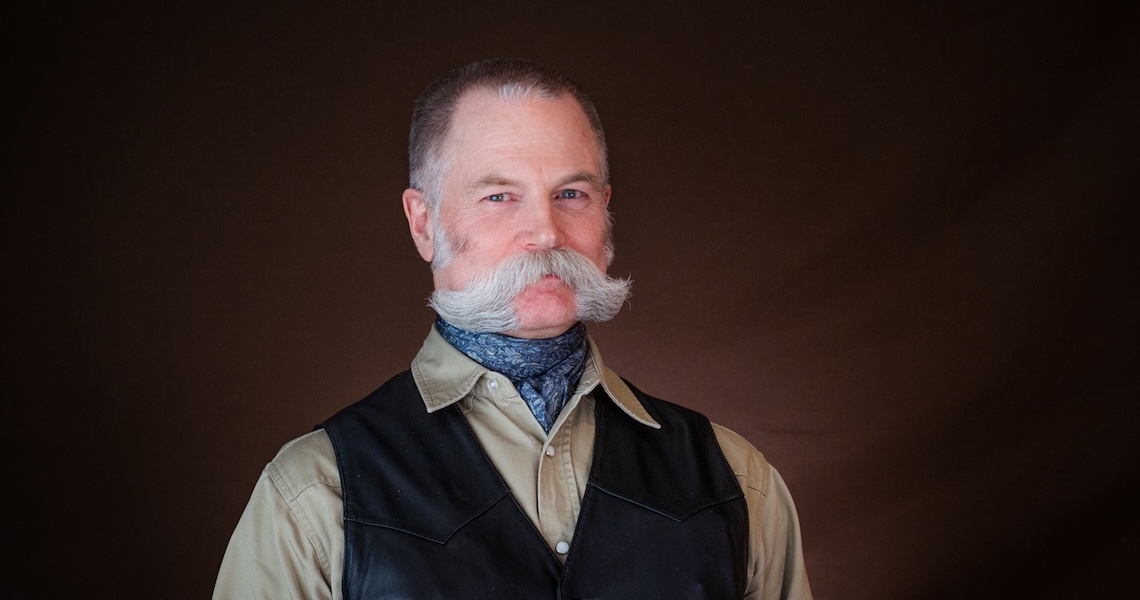


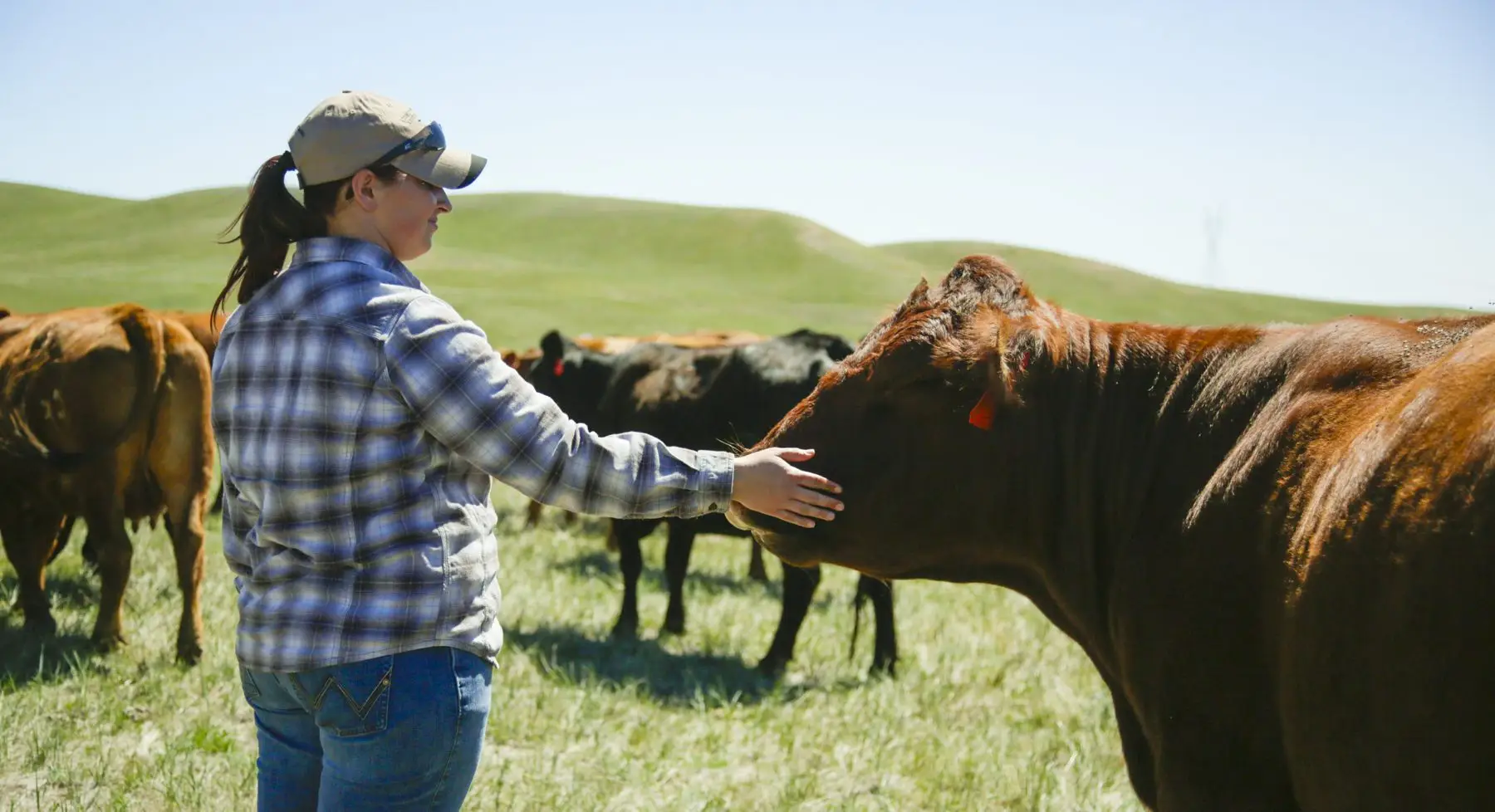
Mark Eisele started working at the King Ranch in the 1970s as a hired hand. After years of hard work, he earned a partnership in the ranch and brought his whole family into the business. The King Ranch, located near Cheyenne, is co-owned by Eisele, his wife, Trudy, and their children Colton Eisele, Kaycee Eisele, and Kendall Eisele Roberts.
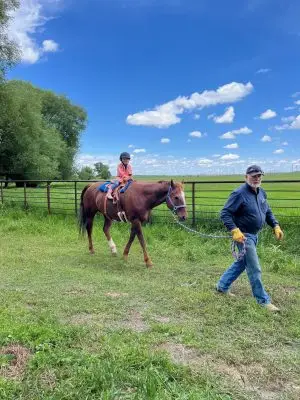
The Eisele family could easily keep themselves busy year-round managing their private, state, and federal land. But they aren’t content with running cattle and growing alfalfa.
During Eisele’s time as a ranch hand, the owners of the King Ranch emphasized the importance of a good education. Eisele graduated from UW in 1980 with a bachelor’s degree in agricultural mechanization, and Eisele Roberts followed in his footsteps, earning her bachelor’s in agricultural business in 2009 and her master’s in agricultural economics in 2011.
Eisele and Eisele Roberts have built on the King Ranch’s legacy by supporting UW research and advocating for Wyoming agriculture. The ranch regularly hosts students studying subjects from range management to agricultural economics. By exploring the operation’s inner workings, UW students, faculty, and staff can get a practical sense of what it means to work in agricultural production—and see the real-world impact of research projects.
The Eisele family helps UW stay on the cutting edge of ranching research and natural resource conservation. Asked what kinds of conservation projects they’ve carried out on the King Ranch, Eisele says, “I’m trying to think of what we haven’t done.” They’ve experimented with rotational grazing, wildlife-friendly fencing, predator management strategies, renewable energy, and much more.
Adapting to new ideas is a core part of the Eisele family identity, but they also appreciate tradition. Both Eisele and Eisele Roberts are leaders in state and national livestock organizations, including the Wyoming Stock Growers Association, Wyoming Stock Growers Land Trust, Wyoming Livestock Board, and National Cattlemen’s Beef Association.
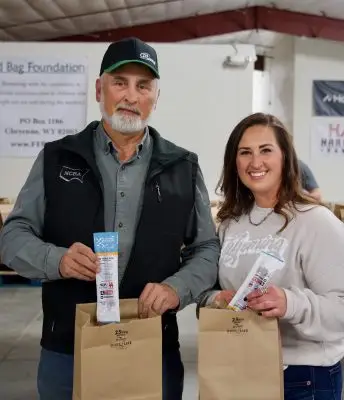
Serving in state and regional ranching organizations is a way to support other members of your community, Eisele Roberts says: “It’s coming together for bigger things than yourself. I love the sense of working together and collaborating to address issues that everybody has concerns about.”
Eisele adds, “I want to be involved, and I need to be—because if you’re not at the table, you end up on the menu.”
The King Ranch team also takes any chance it gets to appear in the media, podcasts, or panel discussions. “People want to know who we are, what we raise, what they’re consuming when they have a steak on the plate,” Eisele Roberts says.
Connections matter to the Eisele family. They’ve stayed involved with UW because they value the tight-knit community it offers. “It’s a privilege to be able to tell our story. There’s so many other alumni out there that are doing great things, and it’s great to be a part of that network,” Eisele Roberts says.
Through the decades, the Eisele family has built up a business whose impact reaches far beyond their fences. Their efforts help new producers flourish, bring together communities, and lead to new scientific understanding.
UW was a launchpad for their accomplishments. “A good education didn’t ensure success, but it sure helped,” Eisele says.
This article was originally published in the fall 2025 issue of UWyo magazine, the flagship publication of the University of Wyoming.