


This fall, the University of Wyoming is launching the Controlled Environment Agriculture (CEA) Network, a transformative initiative to accelerate workforce development, research, and innovation in one of agriculture’s fastest-growing sectors.
“The CEA Network connects people, ideas, and resources to build a thriving ecosystem for innovation and workforce development in Wyoming and beyond,” says Parag Chitnis, UW vice president for research and economic development. “By fostering collaboration among industry, academia, and communities, we’re preparing students for the jobs of the future while advancing CEA technology.”
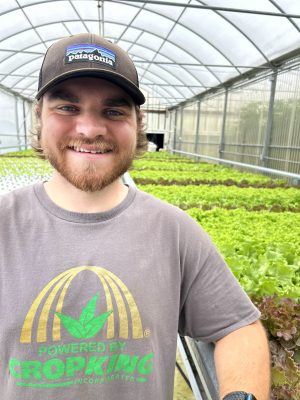
CEA is a modern approach to food production in which crops are grown in controlled environments to optimize growth and yield year-round. Leveraging UW’s Plant Growth and Phenotyping Facility, the network will provide hands-on training, industry partnerships, and a place to test new technologies.
The CEA network aligns with UW’s Center for CEA within the Science Initiative. It is part of the Wyoming Innovation Partnership, a state-led initiative to diversify and modernize Wyoming’s economy.
Although other CEA groups have been launched around the United States, the UW network’s focus on workforce development and active collaboration among all members is novel.
The network connects industry partners and other CEA stakeholders so that they can collaborate on projects, share knowledge, and engage in joint research and discussions. Participants will help drive CEA workforce development by exposing students to CEA technologies and providing hands-on experiences and internships. Participants have the opportunity to collaborate on grant-writing efforts and use UW’s Plant Growth and Phenotyping Facility as a testing ground for research and development.
The initiative was created and coordinated by Carmela Rosaria Guadagno, director of the facility and newly appointed director of UW’s Center for CEA.
“The CEA Network emerged organically from the growing momentum around CEA at UW, around the state, and across collaborating states,” Guadagno says. “It has been fueled by significant state investments, which have been instrumental in advancing infrastructure, research, and workforce development in this rapidly expanding field.”
UW’s focus on workforce development and active collaboration between companies is unique among other CEA groups. Michael Baldwin, assistant research scientist and facility manager of UW’s Plant Growth and Phenotyping Facility, has been instrumental for industry recruitment, bringing a valuable business perspective that complements academic expertise.
Early partners include Vertical Harvest, in collaboration with Central Wyoming College; Wyoming-based farms Papa Joe’s Produce and Tén Galon; established CEA companies such as Crop King and RAYN Growing Systems; and startups like Harvest Today, Rooted Robotics, and PAGE Technologies. International companies, including European Photon Systems Instruments and Bluelab from New Zealand, have also joined the network.
“This represents a true win-win, where companies not only provide valuable exposure and hands-on opportunities for our students, but they also connect with one another to address the pressing challenges in this rapidly evolving industry,” Guadagno says. “The enthusiasm from industry partners has been truly inspiring.”
The CEA Network welcomes participation from businesses, academic institutions, and other organizations. To join or learn more, email Guadagno at cguadagn@uwyo.edu.