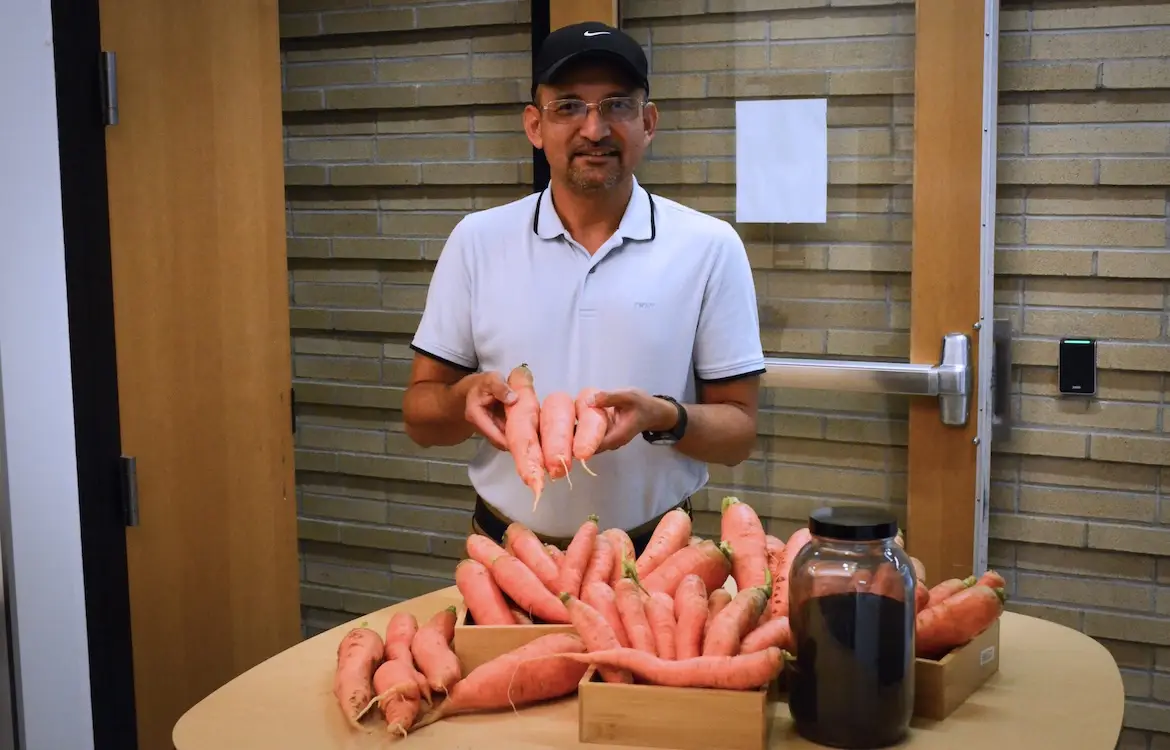


The University of Wyoming Extension has released the Wyoming Specialty Crop Directory online database, a comprehensive new resource that strengthens Wyoming’s local food movement by connecting consumers with producers across the state.
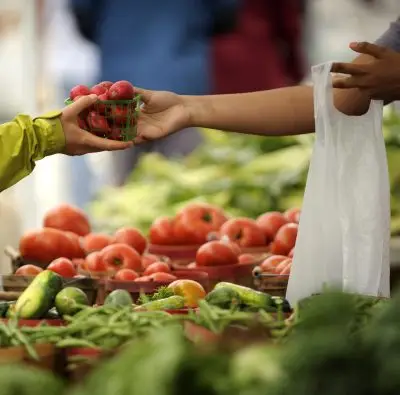
The 2025 Wyoming Specialty Crop Directory (WSCD) database has nearly 1,100 listings, including many for producers and the specialty crops and products they offer. These offerings include fresh produce, herbs and spices, honey, nuts, wine, and hard cider. Homemade goods containing specialty crops are also listed in the database, such as jams, jellies, salsa, barbecue and hot sauces, pickled and fermented vegetables, and fruit pies.
The WSCD was first published in 2021 and then updated in 2024. The new online database complements the directory and can be viewed at https://wyoextension.org/specialty-crop.
The database displays approximately 2,000 images, including many of producers and their operations, products, and logos.
“We worked hard to create a database that is both visually appealing and user-friendly,” says project coordinator and editor Robert Waggener. “It allows users to easily find locally produced specialty crop foods in their own communities and as they travel across Wyoming.”
Waggener explains that specialty crops are defined by the U.S. Department of Agriculture (USDA), and those eligible to be included in the directory are vegetables, fruits and tree nuts, culinary herbs and spices, medicinal herbs, and edible horticultural products including honey and hops.
“There are a growing number of outdoor and indoor farmers markets, including year-round markets, along with community supported agriculture (CSA) operations, co-ops, farm stands and other food venues across Wyoming,” Waggener says. “The online directory lists where consumers can purchase these locally produced goods.”
The free resource includes listings for school, community and church gardens; county fairs; local, state, and national organizations and agencies that are directly involved with agriculture, including specialty crops; garden clubs; seed libraries; and resources to help producers, businesses, organizations, and others build on the local food movement.
“The Wyoming Food Freedom Act opened up new opportunities for many producers and business owners in the state, and there are now year-round indoor farmers markets across the state,” Waggener says. “I have visited with many of these operators, and they are all incredibly passionate about what they’re doing and why.”
Listings are sorted by county to help consumers easily find nearby specialty crop options. The database provides an interactive resource for consumers and producers alike, further enhancing the accessibility of Wyoming’s specialty crop information. Waggener encourages Wyoming residents and visitors to stop by venues that offer locally produced foods as they travel across the state.
The new resource includes a complete list of eligible specialty crop foods as defined by USDA’s Agricultural Marketing Service (AMS). Funding for the directory is provided by the USDA AMS’ Specialty Crop Block Grant Program through the Wyoming Department of Agriculture.