

A needs assessment led by the University of Wyoming Extension may help the state’s agricultural community plan for and manage challenging environmental conditions like drought, wildfires, and water shortages.
In Wyoming and regionally, the frequency and severity of extreme weather events have increased relative to historical averages, as have temperatures.
To find out how UW Extension might better support communities navigating these challenges, researchers organized listening sessions with staff at state and federal land management agencies, conservation districts, county extension offices, and other organizations serving Wyoming producers.
All participants were technical service providers (TSPs) for Wyoming’s agricultural community, meaning that they regularly engaged with Wyoming producers on topics related to weather, water availability, or climate. The goal was to determine how UW Extension might help TSPs assist their clientele in responding to and preparing for severe drought, water shortages, and related issues.
Findings from the listening sessions, which were conducted across the state between June 2023 and May 2024, are summarized in a new UW Extension report titled “Wyoming Agricultural Technical Service Provider Weather, Climate and Water Needs Assessment.” To view the publication, visit https://bit.ly/tsp-needs-2025.
“This [report] provides a snapshot of what technical service providers need right now to better help agricultural producers deal with extreme weather events,” says Kristi Hansen, UW Extension water resource economics specialist and co-author of the publication. “If TSPs adopt one concrete idea from this bulletin that will help them help their clientele, then we will consider the publication a success.”
When asked what weather, climate, and water topics would be most important to their clients in the future, all focus groups identified drought as the number one issue. Many participants specifically voiced concerns about the impacts of drought on rangelands and forage supply.
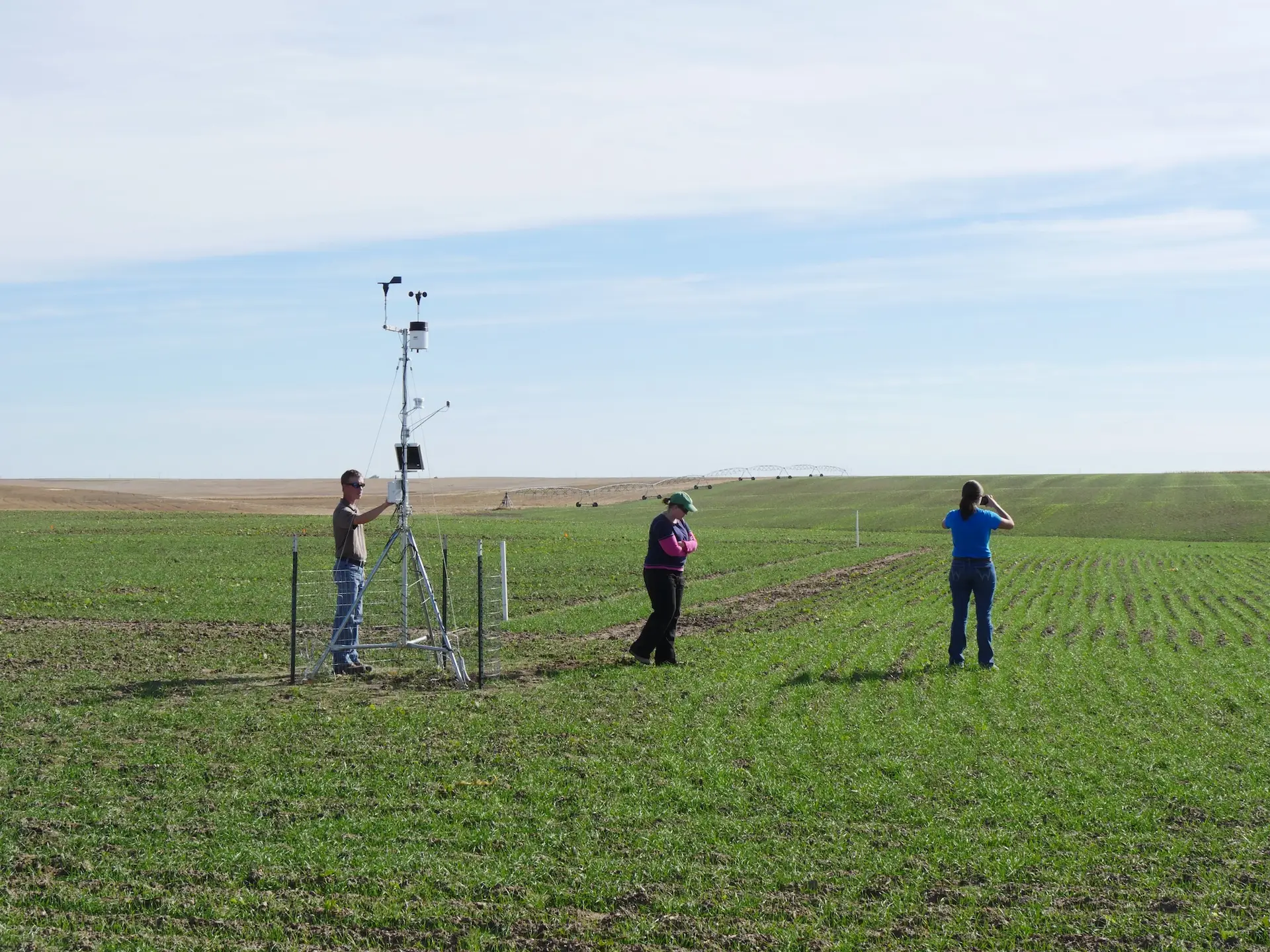
TSPs also called for the establishment of additional weather stations across the state to provide their clients with location-specific data on precipitation, soil moisture, and other key factors.
More generally, TSPs emphasized the need for user-friendly tools to help translate data into actionable information. A software application that calculated windchill, for example, could be useful in helping Farm Service Agency employees determine a producer’s eligibility for weather-related federal insurance programs.
TSPs also recommended the creation of an accessible “one-stop shop” housing Wyoming-specific resources related to weather and climate variability. In their experience, existing tools weren’t always easy to find, use, and apply to specific local scenarios.
Finally, TSPs highlighted a need for better weather forecasting, especially in “medium-term” time horizons.
“I was really impressed by the depth of knowledge and thoughtfulness on the part of the focus group participants,” Hansen comments. “Helping the agricultural community and working together across agencies to help them was definitely important to them.”
The TSP needs assessment was funded by a grant from the USDA’s National Institute of Food and Agriculture. Through this project, UW Extension educators and researchers aim to further address some of the drought- and weather-related needs that arose during listening sessions.
Contact Hansen at kristi.hansen@uwyo.edu or (307) 766-3598 with questions.