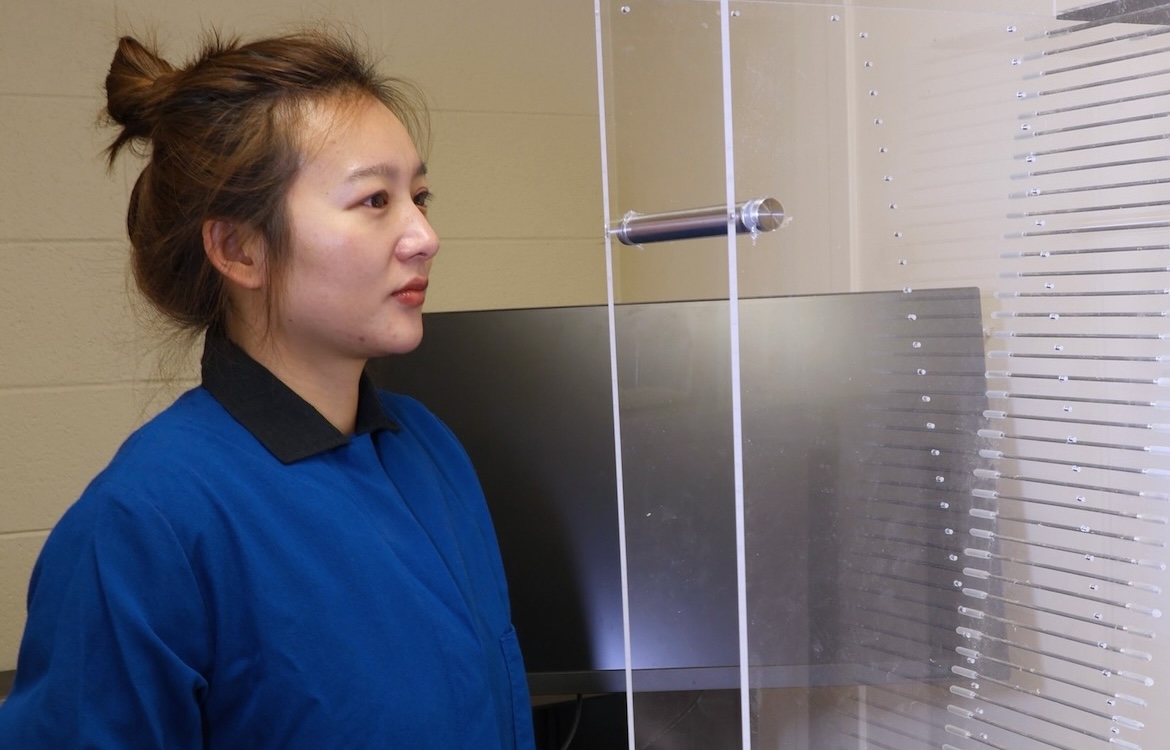


Urszula Norton, a professor of plant sciences in the University of Wyoming College of Agriculture, Life Sciences and Natural Resources, has received a Fulbright Scholarship to study soil contamination in agricultural systems.
Beginning in January 2025, Norton will conduct research at Poland’s Wroclaw University of Environmental and Life Sciences (WUELS) in collaboration with Agnieszka Medynska-Juraszek, a world-renowned expert in environmental pollution.
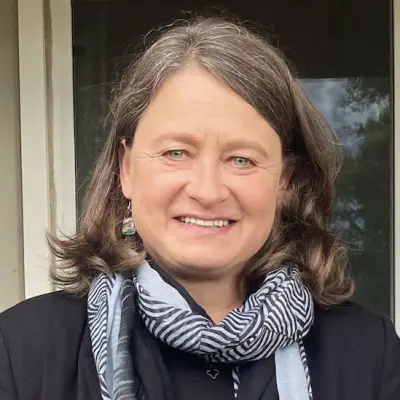
“This Fulbright award will help me develop new trajectories of research much needed in agricultural sciences,” says Norton. “I am looking forward to gaining better understanding of the fate of heavy metals and microplastics entering the human food chain.”
During a sabbatical from UW in 2015, Norton spent five months at WUELS studying the use of biochar (biological charcoal) in greenhouse vegetable production. It was her first experience working with biochar and inspired new directions for her research at UW. Specifically, she has delved into heavy metal contamination in Wyoming soils, a topic that complements her research on carbon and nitrogen cycling and sustainable food systems.
“Dr. Norton has built an internationally recognized program in sustainable agriculture, while also teaching some of the most important and high-enrollment courses in our department,” says Andrew Kniss, head of the UW Department of Plant Sciences. “Anyone who has discussed research ideas with Dr. Norton will know that her genuine excitement for innovative research is contagious, whether it is her own research ideas or others.”
Since Wyoming soils tend to be alkaline, Norton’s research in Wroclaw’s acidic—and in some cases, heavily contaminated—soils will provide an opportunity for comparison. “Since availability of most heavy metals is highly influenced by soil pH, conducting this research under acidic soil conditions to complement Dr. Norton’s work here in Wyoming will be of great interest,” Kniss comments.
Norton’s research at WUELS will also provide opportunities to develop new methods for studying heavy metal and microplastic contamination. Medynska-Juraszek, Norton’s mentor at WUELS, specializes in the bioaccumulation of heavy metals, pesticides, and microplastics as well as the role of biochar in agroecosystem remediation.
Wroclaw is home to many thriving community gardens, but heavy metal contamination related to historical industrial activities remains a challenge, especially in urban soils. While this issue may not be as prevalent in Wyoming, it can be difficult to visually assess whether soils have been historically contaminated with lead and other heavy metals.
Microplastics are another growing issue, Norton notes. In Wyoming, plastic covers are often used to protect crops from harsh weather conditions; however, when exposed to seasonal weather and variable moisture, the plastic becomes brittle and can flake off into the soil. With growing interest in local food production and home gardening, detection and mitigation of soil contamination has become increasingly important.
As a Fulbright Scholar, Norton hopes to help address these issues through collaborative international research.
The Fulbright Program, overseen by the U.S. Department of State’s Bureau of Educational and Cultural Affairs, is the world’s largest and most diverse international educational exchange program. Since its establishment in 1946, more than 400,000 scientists, teachers, students, artists, and professionals from all different backgrounds and disciplines have participated in the Fulbright Program.
Fulbright Scholarships facilitate opportunities to study, teach and conduct research as well as exchange ideas with colleagues around the world.
Norton, who joined UW as a faculty member in 2007, already maintains active collaborations with fellow researchers in Ghana, Iceland, Kenya, Poland, Switzerland, Uganda, and Ukraine.
To learn more about Norton’s research, visit https://bit.ly/urszula-norton-research. For more information on the Fulbright Scholar Program, visit fulbrightscholars.org.