



UW Extension publishes ag risk mitigation factsheets

Wheat

 Western Area Livestock and Ag Risk Mitigation factsheets from the University of Wyoming Extension are now available to download as PDF, HTML or ePub formats at http://bit.ly/WALARM-Factsheets.

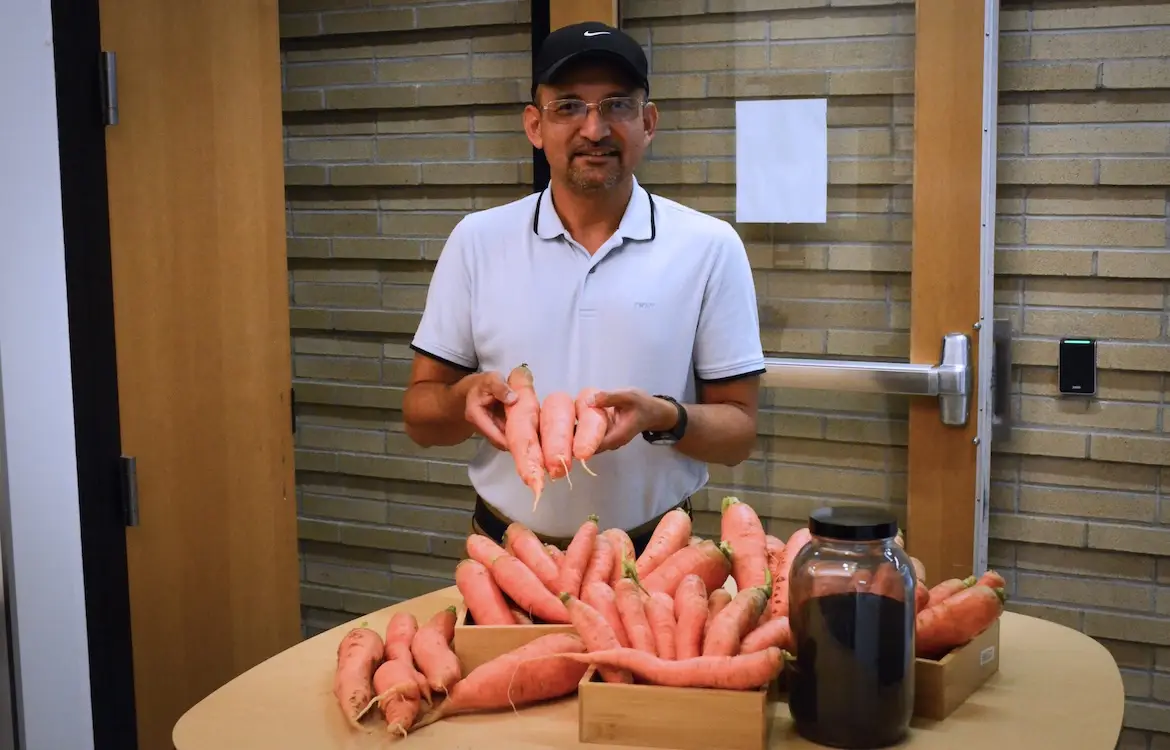
Photograph of man
Scott Cotton, UW Extension educator. 

These factsheets can help producers prepare for a variety of disasters. Factsheets include:

  • Practical Livestock Evacuation
  • Mitigating Impacts of Livestock Transportation Accidents
  • Livestock Handling During Disasters
  • Go Bags
  • Forming and Engaging County Agriculture Response Teams
  • Establishing and Operating Disaster Information Centers
  • Establishing and Operating Animal Shelters
  • Ag Producers Safety During Wildfires

“Maintaining the sustainability of agriculture includes the ability to respond to incidents, reduce risks and mitigate disaster impacts on the industry crucial to everyone,” said Scott Cotton, UW Extension area educator and factsheet author.

Share the Post:

Related Posts

A ranch manager wearing a gray hoodie and dark cap hangs electronic livestock collars on a rack at Pitchfork Ranch in Park County as part of the ranch’s virtual fencing system.

UW-Led Article Highlights Virtual Fencing’s Potential to Transform Conservation on Working Rangelands

A new perspective article in the journal Biological Conservation argues that virtual livestock fencing could reshape how ranchers and conservationists manage working lands.
The article was led by Drew Bennett, the Whitney MacMillan Professor of Practice in the University of Wyoming’s Haub School of Environment and Natural Resources, and co-written by Haub School colleagues Temple Stoellinger and Jacob Hochard, and UW Department of Zoology and Physiology faculty members Jerod Merkle and Kurt Smith.

Read More
Close-up of a lawn sprinkler spraying water across a grassy yard

How to care for landscapes and gardens in drought

This year, the weather has been very challenging across most of Wyoming. Despite some recent welcome precipitation, many of our communities are still dealing with drought and/or water use restrictions. The tips below can help you make the most of the water you have.

Read More

Help us improve this website!

We’re working to make AgNews easier to use and more useful for you. This quick survey takes about 1–2 minutes.