



Sheridan R&E Center Donates Nearly 1,600 Pounds of Beans to Food Bank of Wyoming

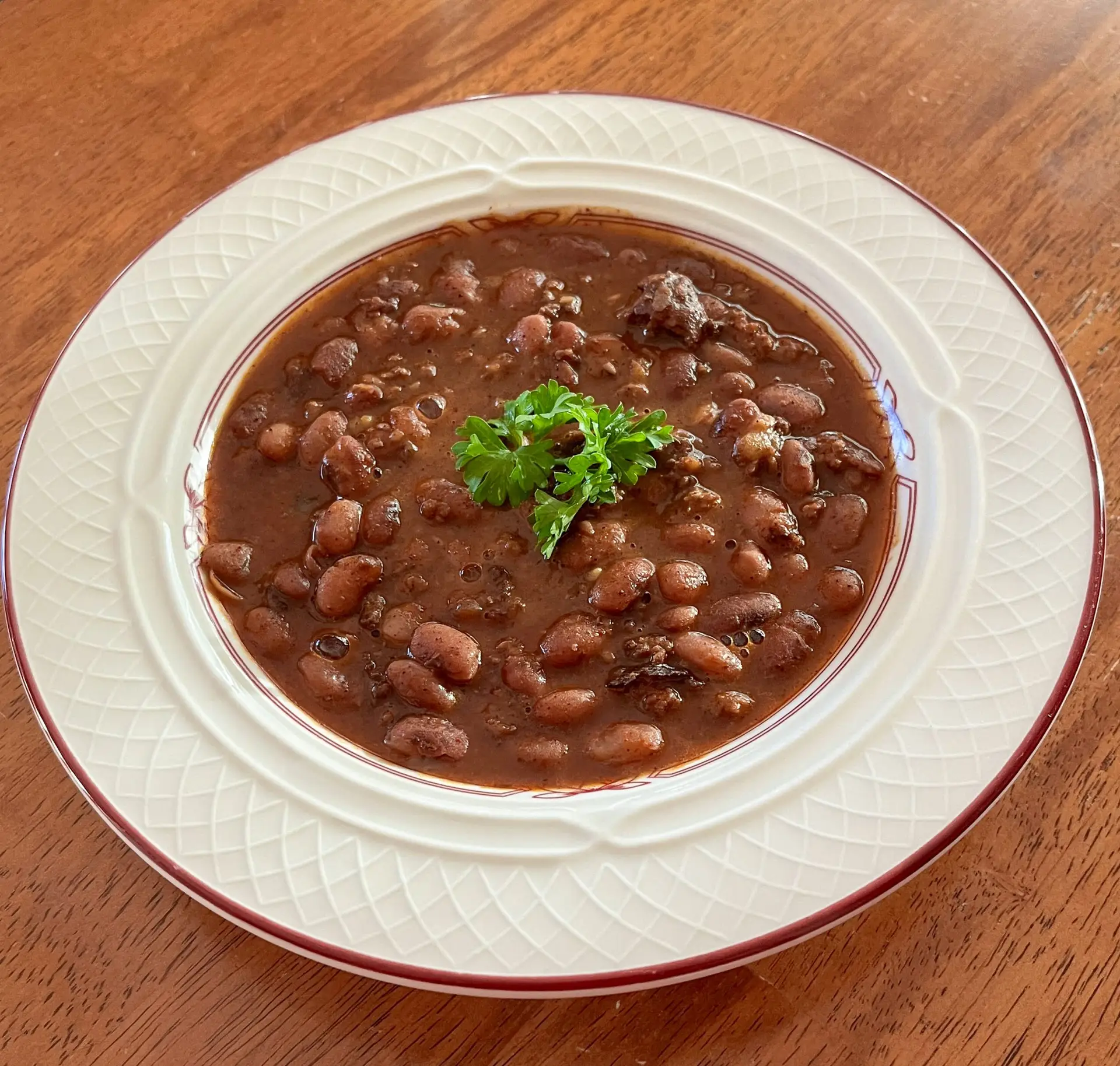
white dish with red rim filled with baked beans and sprig of green herb as garnish
Dry beans can be used to make a variety of dishes, including baked beans (pictured here), soups, chili, casseroles, and more. Photo credit: Mary Evans, Cent$ible Nutrition Educator.

On Nov. 22, Food Bank of Wyoming, based in Casper, received a donation of nearly 1,600 pounds of dry beans from the University of Wyoming Sheridan Research & Extension Center (ShREC).
white dish with red rim filled with baked beans and sprig of green herb as garnish
Dry beans can be used to make a variety of dishes, including baked beans (pictured here), soups, chili, casseroles, and more. Photo credit: Mary Evans, Cent$ible Nutrition Educator.

A research farm like ShREC must maintain flexibility in order to meet new research needs, explains ShREC Director Brian Mealor. Annual crops like dry beans assist with that flexibility and fit well into crop rotation plans.

“They also give us the opportunity to provide a resource such as the beans that were donated,” he comments.

ShREC Farm Manager Daniel Smith and Assistant Farm Manager Michael Albrecht spearheaded the donation. After planting an extra acre or two of beans to test equipment, the farm team found themselves with a surplus of pinto beans, with a few colorful assortments thrown in.

What to do with the extra beans? The answer was obvious, says Smith: give them to someone who could use them. Dry beans, including pinto beans, are a nutritious, protein-rich staple and hold up well during storage and transportation.

In the seed processing facility at ShREC, Albrecht ran the harvested beans through the cleaner and sorted split beans from whole beans, then packaged them into 39 40-pound bags for donation.

These bags will be distributed across the state by Food Bank of Wyoming to their Hunger Relief Partners, including soup kitchens and senior centers where volunteers cook and serve a high volume of hot meals, says Executive Director Rachel Bailey. Local partners, such as food pantries, may also choose to re-package the beans into smaller bags for distribution.

If next year’s projects yield a surplus of beans in addition to research results, Smith and Albrecht say they’d like to continue the donation program.
Share the Post:

Related Posts

Four people stand in a field; Jahshua Sanchez is holding a bird.

UW’s WYOBIRD Contributes to Study on Climate Sensitivity Among Tree Swallows

Across the board, tree swallow populations have similar sensitivity to warming amid climate change, but different abilities to respond to change. Breeding dates have advanced about one day per degree of warming, but northern populations face tighter time constraints and greater exposure to warming, according to recent research that included University of Wyoming students and faculty in the Wyoming Bird Initiative for Resilience and Diversity (WYOBIRD).

Read More
large group of people organized into two rows pose together next to a sign advertising UW's Department of Family and Consumer Sciences

UW Graduate Student Presents Hunger in Wyoming Workshops Across the State

In partnership with the Food Bank of Wyoming, University of Wyoming graduate student Julie Hampton-Lyon has organized a workshop series addressing the issue of food security.

Hampton-Lyon, a master’s student in the Department of Family and Consumer Sciences’ Food Science and Human Nutrition program, has spearheaded six events sharing information about Wyoming food policy with communities across the state.

Read More