

UW laboratory’s tardigrade research featured online

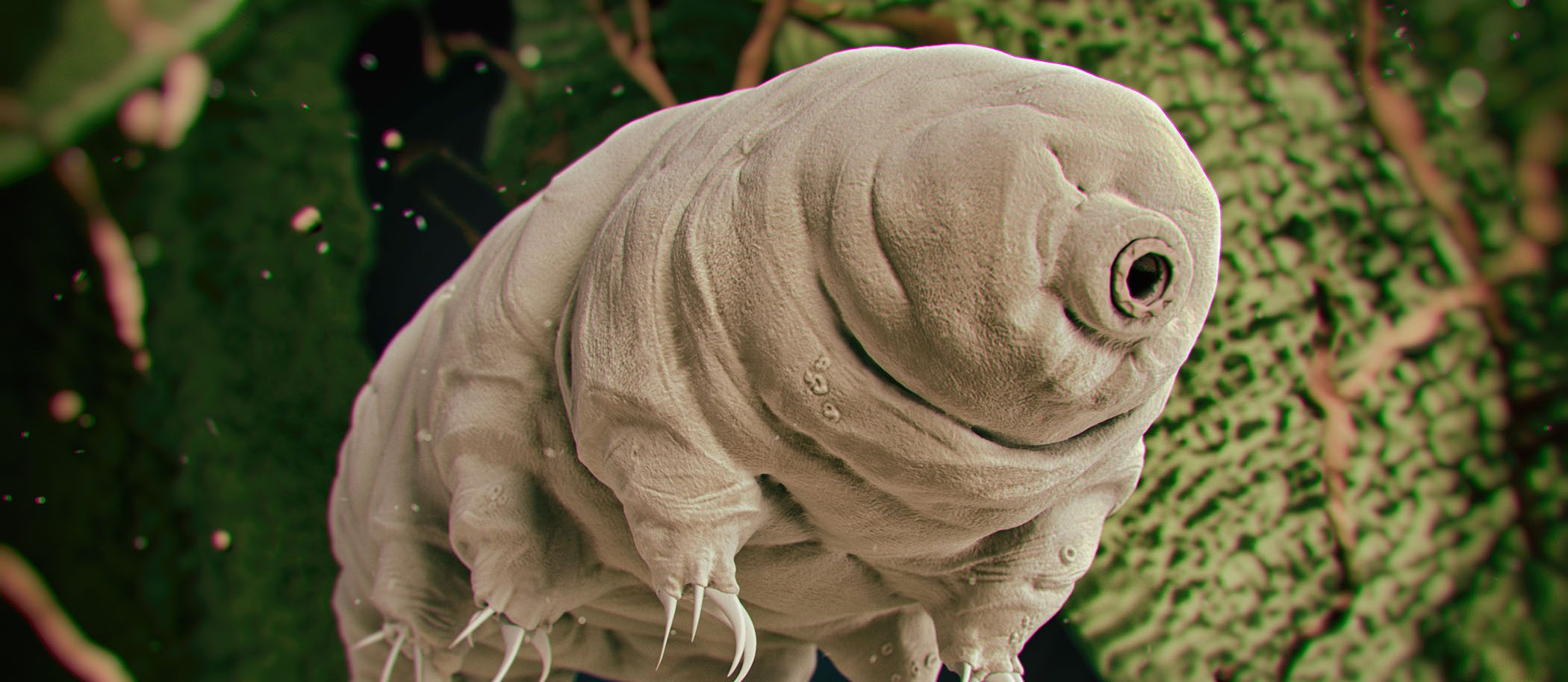
Ilustration of a tardigrade
An illustration of a tardigrade, also known as a “water bear.” (3Dstock, shutterstock.com)
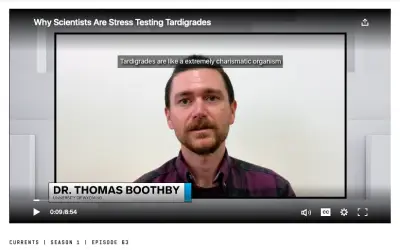
Man featured in video photograph
Associate professor Thomas Boothby talks about his tardigrade research and collaboration with other scientists.

A University of Wyoming molecular biologist’s tardigrade research is being featured in a video story by WIRED.

Thomas Boothby and his research team in the College of Agriculture and Natural Resources study tardigrades to see how the creatures can withstand the stresses of space, extreme heat, dryness, radiation and extreme cold, among other hostile environments.

They hope to be able to use the findings, for example, to stabilize human blood in a dry state or store   vaccines like the COVID-19 Pfizer vaccine in a dry state compared to its current negative 80 degree requirement. The findings could also help make crops more drought resistant.

The video and story is at https://www.wired.com/video/watch/wired-news-and-science-tardigrades.
 

Share the Post:

Related Posts

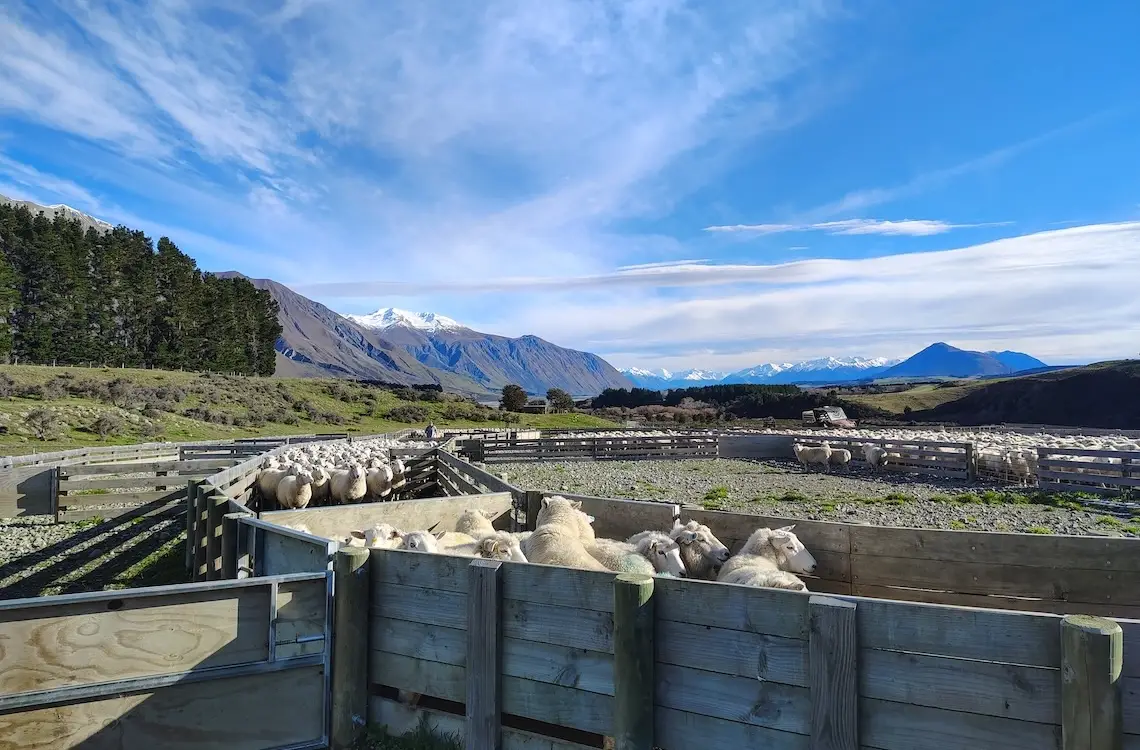
sheep in wooden pens in a pastoral landscape surrounded by white-capped mountains

Sheep Innovators Exchange Brings Wyoming Ranchers and Educators to New Zealand

At first glance, windswept Wyoming rangeland and lush New Zealand pastures don’t look much alike.

But it turns out these wildly different landscapes have something important in common: they’re both sheep country. While their precipitation averages, ranching practices, and economies differ, both locations are home to longstanding sheep industries led by producers with a knack for innovation.

Read More