

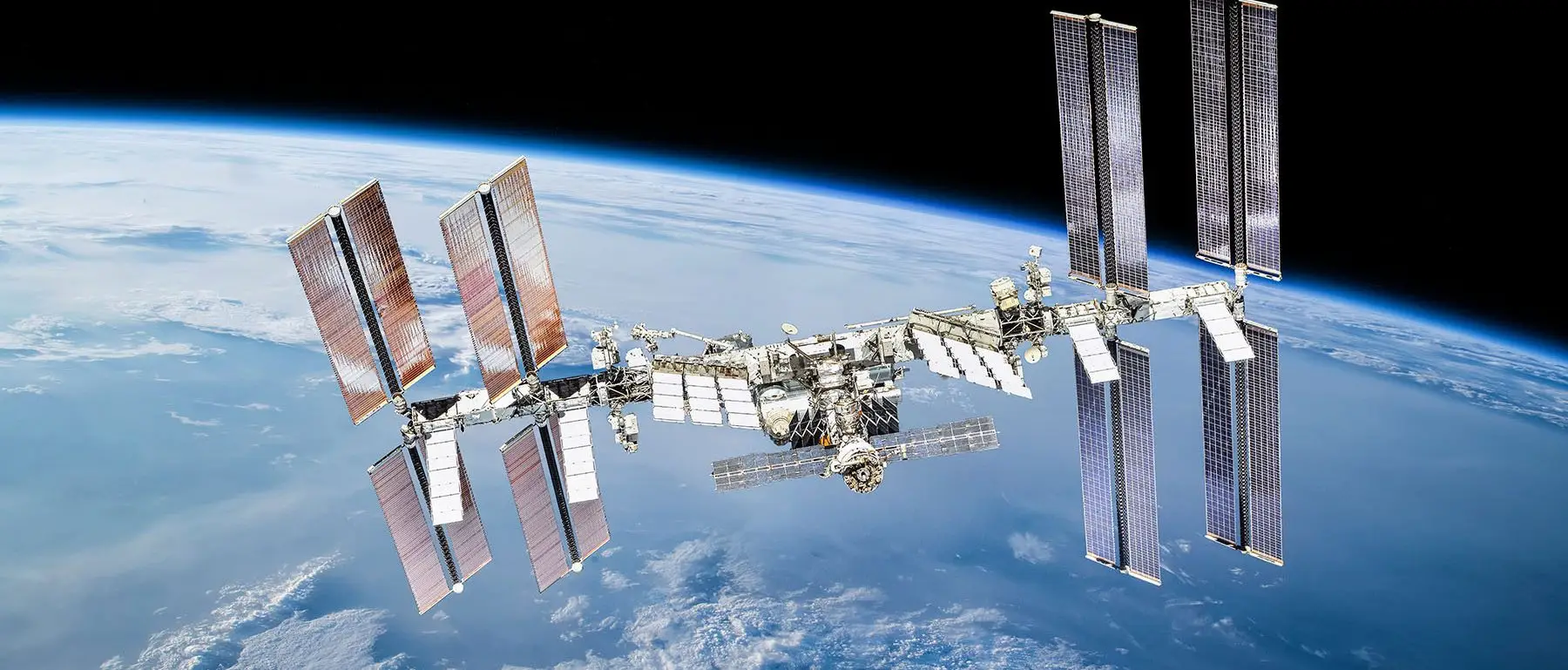
A University of Wyoming molecular biologist whose research focus is tardigrades will participate in the first Story Time from Space live program Tuesday beamed from the International Space Station.
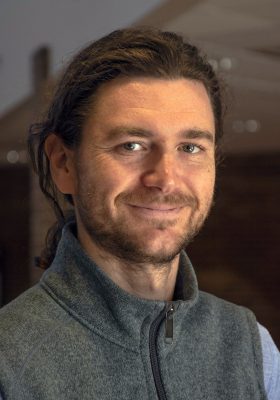
Thomas Boothby is joining a live downlink for children featuring a story about tardigrades, also known as water bears.
The program is 10:30 a.m.-noon Mountain time. Go to www.storytimefromspace.com/live. Technical issues prevented the event from happening during its original date last September, said Boothby.
Astronaut Shannon Walker on the ISS will read “Willow the Water Bear” by Houston Kidd and then answer questions from children around the world.
Boothby, in the College of Agriculture and Natural Resources, will help answer questions about tardigrades and his research at UW. He and Kidd will join astronauts Alvin Drew, Bjarni Tryggvason and author and astrophysicist Jeffrey Bennett.
Boothby and his colleagues at UW are studying how the diminutive, less than half a millimeter long, creatures can survive being completely dried out, being frozen to just above absolute zero (about -458 degrees F, when all molecular motion stops), heated to more than 300 degrees Fahrenheit, irradiated several thousand times beyond what a human could withstand and survive the vacuum of outer space.
Information about Boothby’s laboratory, personnel and research is at https://tboothby.weebly.com.