
Highlighting the early effects of COIVD-19 on Wyoming employment is the first of a new series of publications and is now available for download as a PDF, HTML or ePub at https://bit.ly/covid-wy-2020-employment.
Mining and natural resources and leisure and hospitality both experienced unemployment rates above 45 percent, with mining and natural resources hitting a high of 47 percent in July and leisure and hospitality hitting 46 percent in May, according to the report.

Author Anders Van Sandt in the Department of Agricultural and Applied Economics at the University of Wyoming said his goal is to assist communities and their leaders in recognizing vulnerabilities of the labor force, and this analysis shows some industries are affected more than others.
“That leaves us with the idea that too much of any good can be bad,” said Van Sandt, an assistant professor of regional economics in the College of Agriculture and Natural Resources and UW Extension specialist. “Too much of a community share of labor in a particular industry may lead to bigger booms but also deeper busts.”
The report shows the overall unemployment rate to be decreasing from March through September. He said there is still some unpredictability regarding the unemployment rate within all sectors due to November showing a surge in COVID cases in Wyoming.
“It really comes down to how business that adapted to operating under this new normal are going to cope with this surge in coronavirus cases,” said Van Sandt.
This publication shares data from different industries within Wyoming and the comparative unemployment rate from March to September and discusses COVID-19’s impact on those industries. Follow-up reports will highlight consumer demand and the impacts within the agricultural industry.
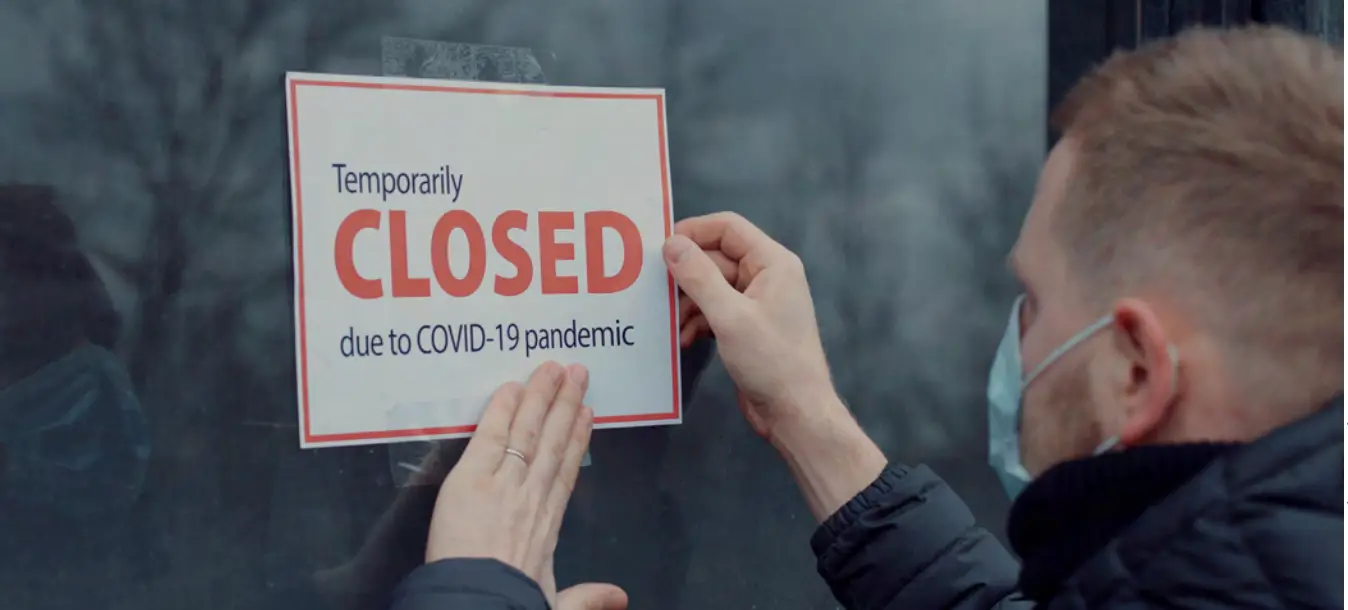
The initial unemployment due to public closures is seen, but the persistent unemployment across all sectors is due to people changing behaviors from the pandemic, he shared.
“The way we are going to get out of this is business owners own ingenuity and problem-solving skills,” said Van Sandt. “Their own creativity has been what’s driving these industries to adapt and survive.”
This ability to adopt and survive can be seen within Teton County’s leisure and hospitality industry, which makes up the majority of their workforce.
“In that first wave in April, they saw their unemployment rate skyrocket in that particular industry,” said Van Sandt. “Since that’s a large portion of their total labor force, their overall unemployment rate looked pretty bad but as leisure and hospitality was able to adapt to this new normal, they were able to get a lot of that employment back.”
Differences among counties in relation to the industry they primarily specialize in can be seen within this report. Natrona County has had the highest consistent unemployment rate in the state, according to the report.
“The energy and natural resources sector essentially got hit twice, by two different waves,” said Van Sandt.
The first wave was all the industries being hit by COVID-19 and Wyoming’s public closures, and the second wave was due to the reduced need for energy and other raw inputs due to other industries dialing back because of supply chain issues and lower demand, he explained.
He expects the energy and natural resources sector to pick back up.
“Industries are starting to ramp up again and are starting to adapt and figure out how to survive and maybe once again grow in this pandemic,” said Van Sandt. “As other industries ramp up to their previous levels of production, they will require more energy, and the energy sector will follow that.”
Education and health services are lumped together because they are essential to how we conduct everyday life, and that’s why they were not as affected, he said. Initially, this industry saw decline due to school closures early on and hospitals eliminating elective procedures.
“Once August rolled around, we realized it was possible to open schools safely,” said Van Sandt. “Wyoming has been pretty successful in opening schools.”
Wyoming has as a priority getting the education and health service sector up and running safely in a similar way to other states across the nation, he shared.
“Particularly, with education,” said Van Sandt. “If your kids are at home, you can’t go to work.”